5 Min Read
Have you ever felt a pang of worry after noticing a spot of red in the toilet bowl? It is a moment that makes almost anyone pause. While your mind might immediately race toward serious concerns, the answer is often found in a very common struggle: constipation. But how exactly does a sluggish digestive system lead to bleeding, and when should you actually be concerned? Let’s break down everything you need to know about your digestive health.
Synopsis
What is Constipation?
Constipation is a condition where bowel movements become difficult, painful, or happen less than three times a week. When waste stays in the colon too long, the body absorbs excess water from it, leaving the stool hard, dry, and lumpy. This makes it much harder for the muscles to push the waste out, leading to the "straining" that causes most complications.
Common Causes of Bleeding During Constipation
The bleeding associated with constipation is usually "mechanical." This means it isn't caused by a disease, but by physical trauma or "wear and tear" on the digestive tract as hard stool passes through.
-
Anal Fissures: These are tiny, paper-cut-like tears in the moist, delicate lining of the anus. They occur when the skin is stretched too far by a large or hard stool. Because this area is very sensitive, these small tears can bleed easily during a bowel movement.
-
Haemorrhoids (Piles): These are swollen or inflamed veins in your lower rectum and anus. Think of them like varicose veins in your legs. The pressure of straining acts like a pump, causing these veins to bulge with blood. If they get too irritated, they can burst or leak, leading to bright red blood.
-
Proctitis: Chronic constipation can lead to persistent inflammation in the lining of the rectum. When the area is inflamed, the tissue becomes "friable," meaning it is very fragile and can bleed even with very light contact or pressure.
-
Faecal Impaction: In severe cases, a large mass of dry, hard stool gets stuck in the rectum. This mass can press against the rectal walls for a long time, causing ulcers or sores that bleed.
Symptoms of Constipation with Blood in Stool
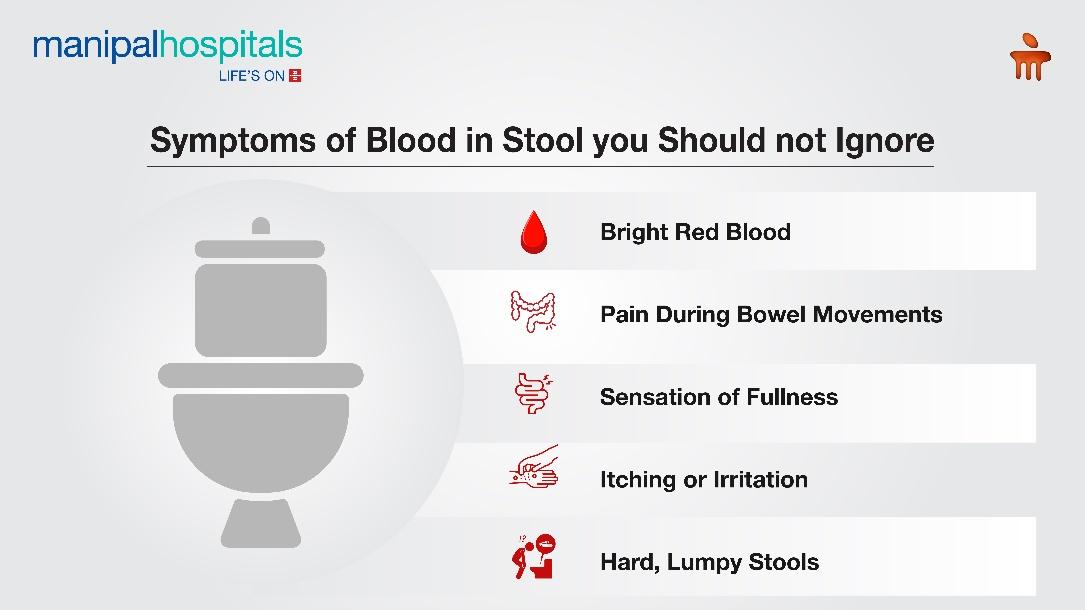
If your bleeding is related to constipation, you will likely notice a specific set of symptoms:
-
Bright Red Blood: This is the most common sign. You might see it as a small smear on the toilet paper, a streak on the outside of the stool, or a few drops in the water.
-
Pain During Bowel Movements: You might feel a sharp, stinging, or burning sensation while trying to go. This is a classic sign of an anal fissure.
-
Sensation of Fullness: A feeling that you haven't completely emptied your bowels even after finishing. This often leads to more strain, which worsens the bleeding.
-
Itching or Irritation: You may feel a persistent itch or swelling around the anal area, which is very common when haemorrhoids are present.
-
Hard, Lumpy Stools: The stool itself will often look like small rocks or pebbles, confirming that constipation is the root cause.
When to See a Doctor
While occasional light spotting from constipation is common, it is always best to be safe. You should consult a gastroenterologist if you experience:
-
Dark, Maroon, or Tarry Stools: If the blood looks dark like coffee grounds or black like tar, it indicates bleeding higher up in the stomach or small intestine. This requires urgent medical attention.
-
Severe Abdominal Pain: Intense cramping, sharp pains, or extreme bloating that doesn't go away after a bowel movement.
-
Persistent Bleeding: Any blood that lasts for more than a few days, even if it is just a small amount.
-
Systemic Symptoms: Feeling dizzy, faint, unusually tired (anaemic), or having a fever along with the bleeding.
-
Family History: If you have a family history of colon cancer or inflammatory bowel disease (IBD), you should report any bleeding to a doctor immediately.
If you're experiencing these symptoms or are unsure whether your bleeding needs medical attention, take our health test to assess your symptoms and understand whether you should consult a gastroenterologist.
Medical Treatments
If lifestyle changes like eating more fibre and drinking water aren't enough, our specialists at Manipal Hospitals may recommend:
-
Stool Softeners & Laxatives: These help by drawing water back into the stool, making it softer and easier to pass without any straining.
-
Topical Creams & Suppositories: Medicated ointments can help numb the pain, reduce the swelling of haemorrhoids, and provide a protective coating to help fissures heal.
-
Seitz Baths: This involves sitting in a few inches of warm water for 10–15 minutes. It helps improve blood flow to the area, cleanses the site, and relaxes the anal muscles to reduce pain.
-
Minimally Invasive Procedures: For chronic or painful haemorrhoids, treatments like "rubber band ligation" (tying off the haemorrhoid) or infrared coagulation may be suggested to shrink the tissue safely.
-
Prescription High-fibre Supplements: When diet alone isn't working, medical-grade fibre supplements can help regulate your system.
Conclusion
Blood in the stool is your body’s way of asking for attention. While constipation is the most frequent cause, it is essential to treat the root issue rather than just the symptoms. By focusing on hydration, fibre, and professional medical advice, you can restore your digestive comfort and gain peace of mind.
At Manipal Hospitals, our specialists in the Department of Gastroenterology provide expert evaluation and treatment for constipation-related complications, including blood in stool. With a focus on early diagnosis, identifying underlying causes, and effective symptom management, we offer personalised care plans to relieve constipation, promote healthy bowel function, and ensure timely treatment of conditions such as anal fissures and haemorrhoids, helping patients improve digestive health and overall quality of life.
FAQ's
Yes. Internal haemorrhoids often bleed without causing any pain because there are few pain-sensing nerves deep inside the rectum.
Indirectly, yes. Water softens the stool, which stops the straining that causes fissures and haemorrhoids to bleed.
No. In the vast majority of cases, it is caused by benign issues like haemorrhoids or fissures. However, only a doctor can provide a definitive diagnosis through proper screening.
Most adults should aim for 25 to 35 grams of fibre per day from sources like whole grains, fruits, and vegetables.
Share this article on: