6 Min Read
Heart patients often face a difficult question before any operation: Is surgery safe for the heart? Fortunately, modern laparoscopic surgery techniques have transformed surgical care for patients with cardiac risks. With smaller incisions, reduced blood loss, quicker mobilisation, and lower stress on the body, laparoscopic surgery is increasingly considered a safer option for carefully selected high-risk heart patients.
However, not every patient qualifies automatically. The decision depends on the severity of the heart condition, the type of surgery required, anaesthesia tolerance, and the patient’s overall health status. Understanding when laparoscopic surgery becomes a safer alternative can help patients make informed decisions with confidence.
Synopsis
- Why Laparoscopic Surgery Is Often Preferred for Heart Patients
- Which High-Risk Heart Patients May Benefit from Laparoscopic Surgery?
- When Laparoscopic Surgery May Not Be Ideal
- How Doctors Assess Fitness for Laparoscopic Surgery
- Understanding Laparoscopic Surgery Time in Cardiac Patients
- Key Advantages of Faster Laparoscopic Surgery Recovery
- Role of Advanced Surgical Expertise in High-Risk Cases
- Warning Signs Heart Patients Should Never Ignore Before Surgery
- How Modern Technology Has Improved Laparoscopic Surgery Safety
- Can Heart Patients Recover Normally After Laparoscopic Surgery?
- Final Thoughts
Why Laparoscopic Surgery Is Often Preferred for Heart Patients
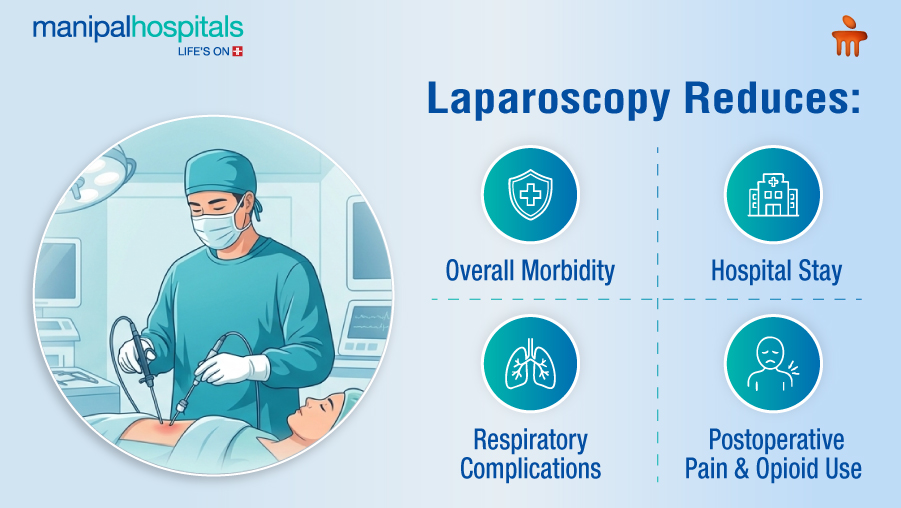
Traditional open surgeries place considerable strain on the body. Larger incisions, prolonged hospital stays, and increased pain can elevate cardiovascular stress. In contrast, laparoscopic surgery uses tiny incisions and specialised instruments, reducing physical trauma significantly.
Some major minimally invasive surgery benefits for heart patients include the following:
-
Reduced surgical stress response
-
Lower risk of excessive bleeding
-
Shorter hospital stay
-
Faster mobilisation after surgery
-
Reduced chances of post-operative infections
-
Better breathing function after surgery
-
Lower pain medication requirements
For patients with controlled cardiac conditions, these advantages may reduce complications during recovery.
Which High-Risk Heart Patients May Benefit from Laparoscopic Surgery?
Not every cardiac patient falls into the same risk category. Certain groups may particularly benefit from laparoscopic surgery when evaluated properly.
Patients with Stable Coronary Artery Disease
Patients with controlled angina or previous stent placement may tolerate laparoscopic surgery better than open procedures because of reduced surgical trauma and quicker recovery.
Elderly Patients with Multiple Health Conditions
Older adults with hypertension, diabetes, obesity, or mild heart failure may benefit from shorter surgical exposure and faster rehabilitation associated with laparoscopic surgery recovery.
Patients Requiring Gallbladder, Hernia, or Appendix Surgery
Procedures such as gallbladder removal, appendectomy, and hernia repair are commonly performed using laparoscopic surgery with excellent outcomes in properly screened cardiac patients.
Women Undergoing Laparoscopic Surgery for Hysterectomy
For women with heart disease requiring gynaecological treatment, laparoscopic surgery hysterectomy may offer lower complication rates compared to conventional open surgery due to smaller incisions and reduced recovery stress.
When Laparoscopic Surgery May Not Be Ideal
Although laparoscopic surgery offers multiple advantages, there are situations where it may not be the safest choice.
-
Doctors may avoid it in patients with:
-
Severe uncontrolled heart failure
-
Recent heart attack
-
Serious rhythm abnormalities
-
Advanced lung disease
-
Unstable blood pressure
-
Extremely poor cardiac function
During laparoscopic surgery, carbon dioxide gas is used to inflate the abdomen. This can temporarily affect blood circulation and lung function. In highly unstable cardiac patients, these physiological changes may increase risk.
That is why a thorough pre-operative evaluation is essential.
How Doctors Assess Fitness for Laparoscopic Surgery
Before recommending laparoscopic surgery, specialists usually perform detailed cardiac assessments.
These may include:
-
ECG
-
Echocardiography
-
Blood investigations
-
Stress testing
-
Anaesthesia fitness evaluation
-
Medication review
At advanced surgical centres, multidisciplinary teams involving cardiologists, anaesthetists, and surgeons collaborate to minimise operative risk. This comprehensive approach allows our doctors in Delhi to personalise treatment plans for high-risk individuals.
Understanding Laparoscopic Surgery Time in Cardiac Patients
One important consideration is the laparoscopic surgery time. While some procedures are completed quickly, complex surgeries may take longer.
Shorter operating duration is generally preferable for heart patients because prolonged anaesthesia can increase cardiovascular strain. Experienced surgeons often optimise laparoscopic surgery time through meticulous planning and advanced surgical techniques.
In many cases, minimally invasive procedures may actually reduce total recovery burden despite slightly longer operative preparation.
Key Advantages of Faster Laparoscopic Surgery Recovery
One of the strongest reasons heart specialists support laparoscopic surgery is the improved healing experience.
Benefits of smoother laparoscopic surgery recovery include:
Early Walking and Mobilisation
Patients can move sooner, reducing the risks of blood clots and lung complications.
Lower Infection Risk
Smaller wounds heal faster and carry reduced infection risk.
Reduced Pain and Stress
Lower pain levels reduce cardiac strain caused by stress hormones.
Shorter Hospitalisation
Earlier discharge decreases exposure to hospital-acquired infections and improves overall recovery comfort.
These recovery advantages are especially valuable for elderly cardiac patients.
Role of Advanced Surgical Expertise in High-Risk Cases
Successful outcomes in cardiac-risk patients depend heavily on surgical expertise. Precision-based laparoscopic surgery requires experienced hands, advanced operating facilities, and coordinated perioperative care.
Our doctors in Delhi carefully evaluate whether minimally invasive surgery is suitable based on cardiac stability, imaging findings, and procedural complexity. Individualised planning remains the cornerstone of safe surgical care.
For many patients, the expertise of our general surgeon in Delhi can significantly influence recovery quality, complication rates, and overall surgical safety.
Warning Signs Heart Patients Should Never Ignore Before Surgery
Patients should immediately inform their medical team if they experience:
-
Chest pain
-
Breathlessness
-
Swelling in the legs
-
Sudden fatigue
-
Dizziness or fainting
Prompt reporting allows specialists to stabilise the condition before proceeding with laparoscopic surgery.
How Modern Technology Has Improved Laparoscopic Surgery Safety
Recent technological advancements have dramatically enhanced the safety profile of laparoscopic surgery.
Innovations now include:
-
High-definition imaging systems
-
Advanced energy devices
-
Improved anaesthesia monitoring
-
Enhanced recovery protocols
-
Better cardiac monitoring during surgery
These improvements help our doctors in Delhi manage even medically complex patients with greater precision and confidence.
Can Heart Patients Recover Normally After Laparoscopic Surgery?
In many cases, yes. Patients with stable heart disease often experience excellent outcomes following properly planned laparoscopic surgery.
Recovery success depends on:
-
Pre-surgery cardiac optimisation
-
Surgical expertise
-
Early mobilisation
-
Medication compliance
-
Lifestyle management after discharge
With proper care, many heart patients return to daily activities faster than expected.
Final Thoughts
For selected cardiac patients, laparoscopic surgery can offer a safer, less traumatic alternative to traditional open procedures. Reduced pain, quicker mobilisation, shorter hospital stays, and improved laparoscopic surgery recovery make minimally invasive techniques particularly valuable for high-risk individuals.
However, surgical suitability must always be determined through a detailed medical assessment. A personalised approach, expert perioperative care, and advanced surgical planning are critical to achieving the safest outcomes.
Today, evolving technology and specialised expertise continue to expand the role of laparoscopic surgery even in patients once considered too high-risk for surgical intervention. With timely evaluation and expert guidance from our doctors in Delhi, many cardiac patients can undergo surgery more safely and recover with confidence.
FAQ's
Not always. While laparoscopic surgery offers several benefits, suitability depends on the severity of the heart condition, overall health, and the type of procedure required.
Most patients experience quicker laparoscopic surgery recovery compared to open surgery, with many resuming light activities within a few days to weeks, depending on the procedure.
Yes, minimally invasive approaches may reduce infection risk, pain, and hospital stay, which can benefit elderly patients with cardiac risks.
Laparoscopic surgery time varies depending on the complexity of the operation. Simple procedures may take under an hour, while advanced surgeries can take longer.
Many patients with heart stents can safely undergo laparoscopic surgery after proper cardiac evaluation and medication planning by specialists.
Share this article on: