6 Min Read
Hydatid cysts, caused by a parasitic infection (echinococcosis), can develop silently in various organs, most commonly the liver and lungs. While often asymptomatic in their early stages, these cysts can grow significantly, leading to a range of complications if left untreated. With guidance from our gastroenterologists in Delhi, traditionally, the removal of these cysts involved open surgery, which typically entailed a longer recovery period. However, modern medicine, particularly through advancements in minimally invasive hydatid cyst surgery like laparoscopic techniques, has revolutionised treatment, promising patients a significantly faster recovery and improved outcomes.
Synopsis
- Understanding Hydatid Cysts: The Silent Invader
- The Evolution of Hydatid Cyst Removal: Laparoscopic Advancement
- The Laparoscopic Advantage: Precision and Preservation
- Key Benefits of Laparoscopic Hydatid Cyst Removal
- The Procedure at Manipal Hospitals: A Closer Look
- Life After Surgery: Recovery and Rehabilitation
- Conclusion
Understanding Hydatid Cysts: The Silent Invader
Hydatid disease, or echinococcosis, is a parasitic infection caused by tapeworms of the genus Echinococcus. Humans become accidental hosts by ingesting the parasite's eggs, usually through contaminated food, water, or direct contact with infected animals like dogs. Once ingested, the eggs hatch, and the larvae travel through the bloodstream to various organs, forming cysts. The liver is affected in approximately 70% of cases (known as liver hydatid cyst treatment), while the lungs account for about 20% (requiring lung hydatid cyst treatment). Other less common sites include the brain, bones, and kidneys.
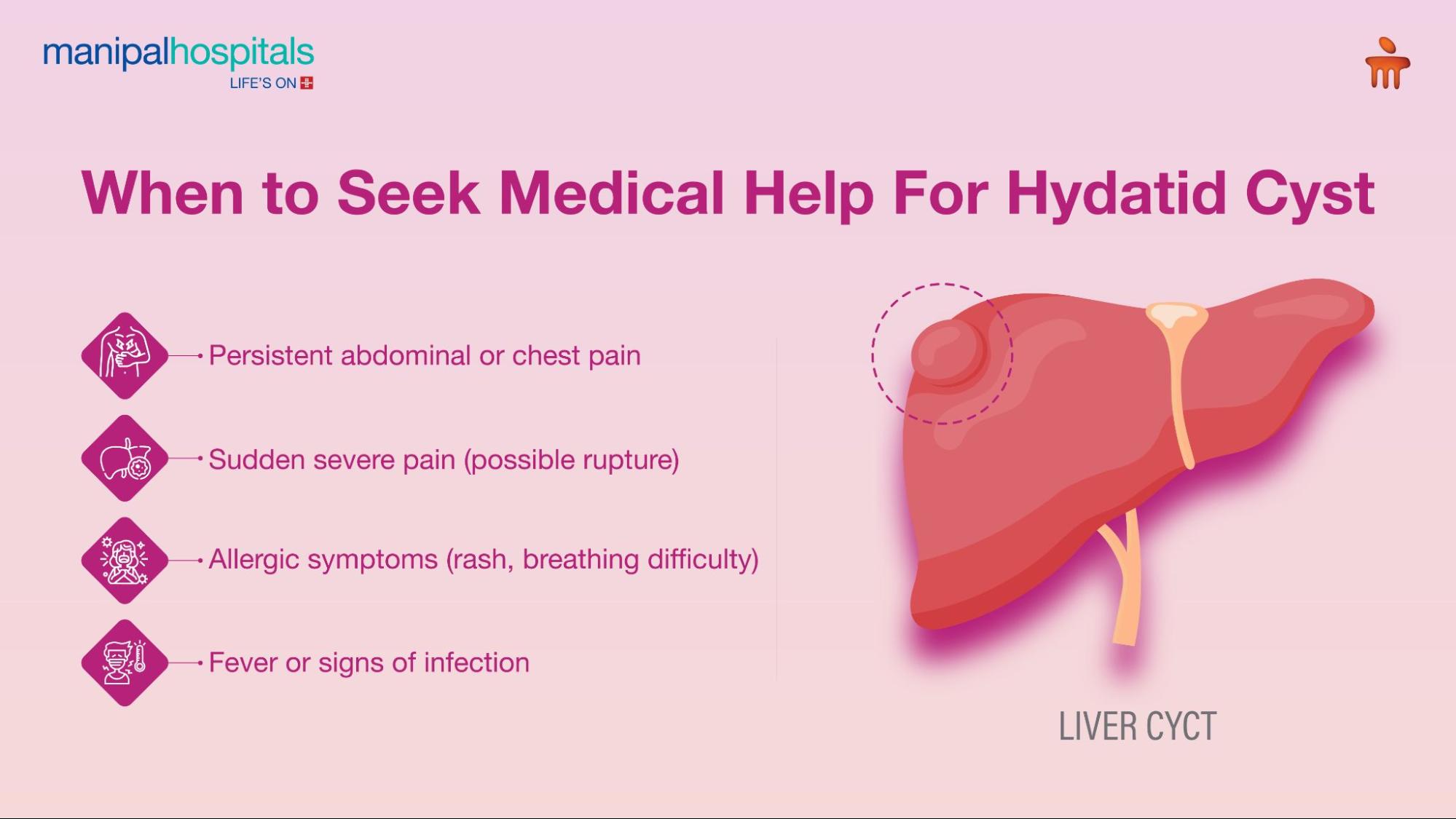
Symptoms of hydatid disease often manifest only when the cysts grow large enough to press on surrounding tissues or rupture. Common hydatid disease symptoms can include abdominal pain, a palpable mass, jaundice (if the liver is affected), or chest pain, cough, and shortness of breath (if the lungs are involved). Early diagnosis is crucial to prevent serious complications, including anaphylactic shock if a cyst ruptures, which is why consultation with our gastroenterologists in Delhi is recommended.
The Evolution of Hydatid Cyst Removal: Laparoscopic Advancement
For decades, open surgery was the standard approach for hydatid cyst surgery. This involved a large incision, significant tissue dissection, and often a prolonged hospital stay followed by a lengthy recovery. While effective, the invasiveness of open surgery posed considerable challenges for patients.
The advent of laparoscopic hydatid cyst removal has marked a significant paradigm shift. This sophisticated, minimally invasive hydatid cyst surgery allows surgeons to remove cysts through several small incisions, typically less than 1 cm each, using specialised instruments and a high-definition camera. This approach has drastically reduced surgical trauma, leading to numerous benefits for patients, especially when performed under the care of our gastroenterologists in Delhi.
The Laparoscopic Advantage: Precision and Preservation
At Manipal Hospitals, our expert surgeons utilise advanced laparoscopic techniques for the precise and safe removal of hydatid cysts. The procedure involves:
Making 3-4 small incisions (0.5-1 cm) in the abdomen or chest, depending on the cyst's location.
-
Inserting a laparoscope (a thin, lighted tube with a camera) to visualise the internal organs on a monitor.
-
Introducing specialised surgical instruments through the other small incisions.
-
Carefully isolating the cyst, sterilising its contents to prevent spillage, and then meticulously removing the parasitic material while preserving healthy tissue.
-
The high-definition view provided by the laparoscope allows for enhanced precision, minimising damage to surrounding organs and blood vessels.
Key Benefits of Laparoscopic Hydatid Cyst Removal
Patients undergoing laparoscopic echinococcosis treatment experience a remarkable difference in their post-operative journey:
-
Significantly Reduced Pain: Smaller incisions mean less muscle and tissue damage, leading to substantially less post-operative pain. This often reduces the need for strong pain medication.
-
Faster Recovery and Shorter Hospital Stay: Patients typically spend 2-3 days in the hospital, compared to 5-7 days or more for open surgery. This contributes directly to a faster recovery from surgery.
-
Minimal Scarring: The small incisions result in tiny, barely noticeable scars, a significant aesthetic advantage.
-
Lower Risk of Complications: Minimally invasive techniques are associated with a reduced risk of infection, blood loss, and other surgical complications.
-
Quicker Return to Daily Activities: Most patients can resume light daily activities within 1-2 weeks, compared to 4-6 weeks or longer after open surgery. In fact, studies show that patients undergoing laparoscopic procedures often experience a 50% reduction in recovery time compared to traditional open surgery.
-
High Success Rates: Laparoscopic hydatid cyst removal procedures at specialised centres boast success rates often exceeding 95%, with a low recurrence rate when performed by experienced surgeons.
The Procedure at Manipal Hospitals: A Closer Look
At Manipal Hospitals, our commitment to patient safety and superior outcomes drives our approach to hydatid cyst surgery. Our multidisciplinary team, comprising experienced laparoscopic surgeons, infectious disease specialists, and critical care staff, ensures comprehensive care from diagnosis to full recovery. We employ state-of-the-art diagnostic imaging to precisely locate and characterise the cyst before surgery, ensuring a tailored and effective treatment plan for both liver hydatid cyst treatment and lung hydatid cyst treatment. Our facilities are equipped with the latest laparoscopic technology, enabling our surgeons to perform these intricate procedures with utmost precision, often in collaboration with our gastroenterologists in Delhi.
Life After Surgery: Recovery and Rehabilitation
The journey after laparoscopic hydatid cyst removal typically involves a quicker and less complicated recovery. Patients will receive detailed instructions on wound care, activity restrictions, and pain management. While some discomfort is normal, most individuals experience a rapid improvement in their overall well-being. Regular follow-up appointments are essential to monitor your recovery, especially to ensure there is no recurrence of the cyst and to address any long-term anti-parasitic treatment that may be prescribed.
The goal of post-surgery recovery from a hydatid cyst is not just the removal of the cyst but also a return to a healthy, active lifestyle as quickly and safely as possible. With the benefits of laparoscopic surgery, this goal is achieved for the vast majority of patients.
Conclusion
If you or a loved one has been diagnosed with a hydatid cyst, understanding the advanced treatment options available is key. Laparoscopic surgery offers a less invasive, safer, and more effective path to recovery. Book an appointment with our expert surgical team at Manipal Hospitals today to discuss your treatment options and embark on your journey to recovery.
FAQ's
Hydatid cysts are caused by an infection with the larval stage of the tapeworm Echinococcus, typically acquired through ingestion of food or water contaminated with the parasite's eggs, or direct contact with infected animals like dogs.
No, hydatid cysts are parasitic in nature and are generally benign. They are not cancerous, but their growth can cause significant damage to organs if left untreated.
For laparoscopic hydatid cyst removal, the typical hospital stay is generally shorter, often ranging from 2 to 3 days, depending on the individual's recovery and the complexity of the case.
Most patients can return to light office work or activities within 1 to 2 weeks after laparoscopic hydatid cyst removal. For jobs requiring heavy lifting or strenuous activity, a longer recovery period of 4 to 6 weeks may be necessary.
While generally safe, risks can include infection, bleeding, injury to surrounding organs, or, rarely, spillage of cyst contents leading to an allergic reaction or recurrence. However, these risks are significantly lower compared to open surgery.
Share this article on: