7 Min Read
Blood cancer is a life-altering condition that affects the production and function of blood cells. While many people associate cancer with solid tumours, blood cancers develop within the bone marrow, blood, or lymphatic system and often spread silently before noticeable symptoms appear. Recognising blood cancer symptoms early can significantly improve treatment outcomes and quality of life.
From unexplained fatigue to swollen lymph nodes and frequent infections, blood cancer symptoms are often subtle in the beginning. Unfortunately, many individuals ignore these warning signs until the disease progresses. Understanding the causes, risk factors, and available blood cancer treatment options is therefore crucial for timely intervention.
One rare yet aggressive form of blood cancer is mantle cell lymphoma, a subtype of non-Hodgkin lymphoma that requires specialised diagnosis and treatment. In this guide, we explore the most important blood cancer symptoms, different types of blood cancer, the science behind Mantle cell lymphoma translocation, and the latest advances in treatment and prognosis.
Synopsis
- What Is Blood Cancer?
- Blood Cancer Symptoms You Should Never Ignore
- Causes and Risk Factors Behind Blood Cancer
- Types of Blood Cancer
- What Is Mantle Cell Lymphoma?
- Understanding Mantle Cell Lymphoma Translocation
- Blood Cancer Treatment: Latest Advances and Options
- Mantle Cell Lymphoma Prognosis: What Patients Should Know
- How Is Blood Cancer Diagnosed?
- When Should You See a Specialist?
- Conclusion
What Is Blood Cancer?
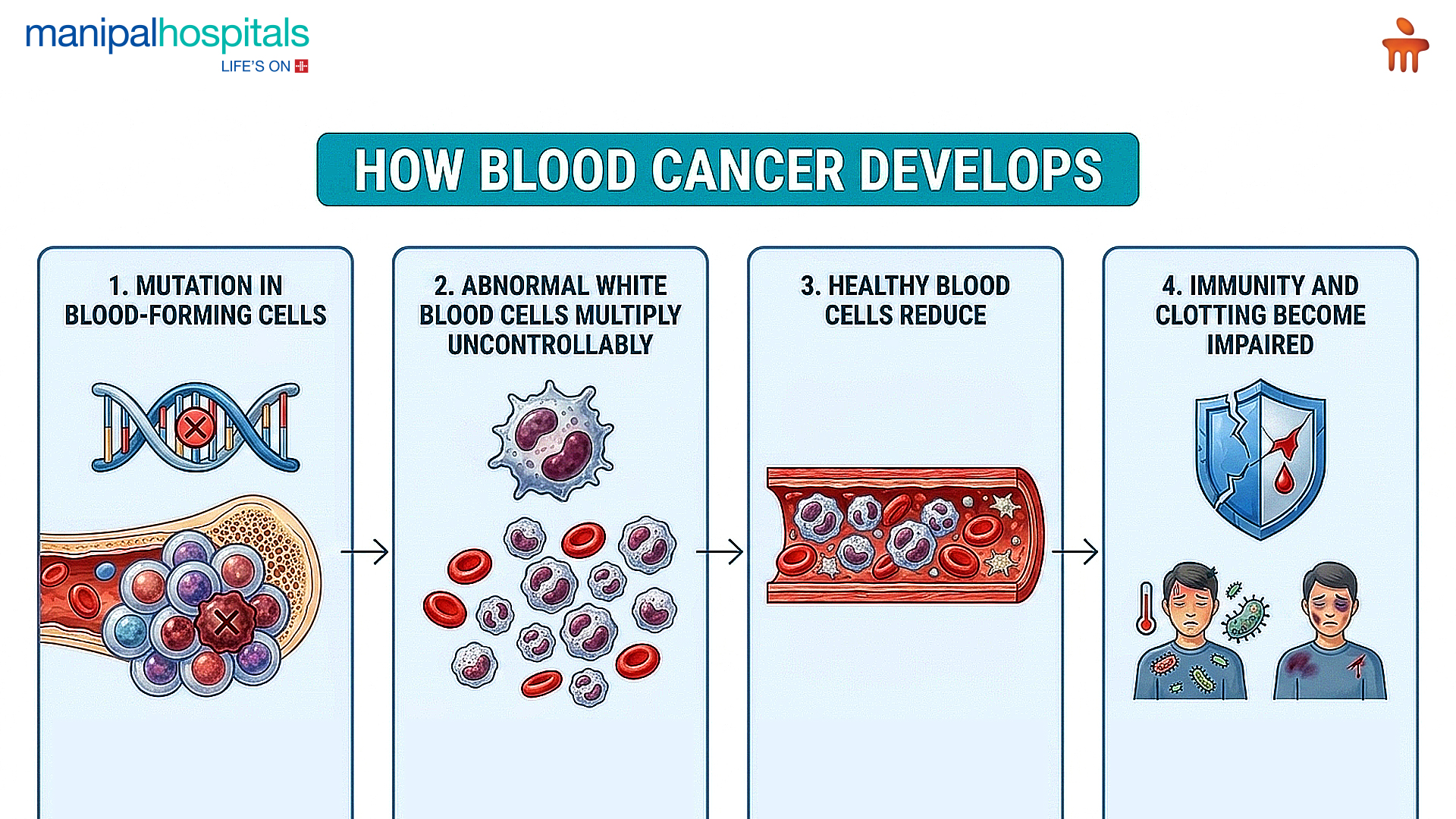
Blood cancer occurs when abnormal blood cells begin to grow uncontrollably, interfering with the body’s ability to fight infections, transport oxygen, and control bleeding. Unlike solid cancers, blood cancers usually originate in the bone marrow or lymphatic system.
The major categories include:
-
Leukaemia
-
Lymphoma
-
Myeloma
Each condition presents differently, but many patients initially experience similar blood cancer symptoms such as persistent tiredness, fever, easy bruising, and recurrent infections.
Early consultation with our oncologists in Delhi can help identify warning signs before complications arise.
Blood Cancer Symptoms You Should Never Ignore
Recognising blood cancer symptoms at the earliest stage can make a substantial difference in prognosis and treatment success. Some symptoms may appear mild initially but gradually worsen over time.
Common Blood Cancer Symptoms
-
Persistent Fatigue and Weakness - One of the earliest blood cancer symptoms is constant exhaustion that does not improve with rest. This often occurs due to anaemia caused by abnormal blood cell production.
-
Frequent Infections - A weakened immune system makes patients vulnerable to recurrent bacterial, viral, or fungal infections.
-
Unexplained Weight Loss - Sudden, unintentional weight loss may indicate rapidly multiplying cancer cells consuming the body’s energy reserves.
-
Swollen Lymph Nodes - Painless swelling in the neck, armpits, or groin is commonly associated with lymphoma and mantle cell lymphoma.
-
Fever and Night Sweats - Recurring fever and excessive sweating during sleep are important blood cancer symptoms that should not be ignored.
-
Easy Bruising or Bleeding - Low platelet counts may lead to frequent nosebleeds, bleeding gums, or unexplained bruising.
-
Bone or Joint Pain - Certain types of blood cancer can infiltrate the bone marrow, leading to persistent pain or tenderness.
-
Shortness of Breath - Reduced healthy red blood cells can cause breathlessness even during mild physical activity.
If these blood cancer symptoms persist for more than two weeks, immediate medical evaluation becomes essential.
Causes and Risk Factors Behind Blood Cancer
Although the exact cause is not always identifiable, several factors may increase the likelihood of developing blood cancer.
-
Genetic Mutations - Changes in DNA can trigger uncontrolled blood cell growth.
-
Radiation Exposure - High exposure to radiation increases the risk of leukaemia and lymphoma.
-
Chemical Exposure - Industrial chemicals such as benzene have been linked to blood cancers.
-
Weakened Immunity - Individuals with compromised immune systems are more susceptible.
-
Family History - A family history of blood cancers may slightly elevate risk.
-
Ageing - Certain forms of blood cancer are more common in older adults.
Seeking regular health screening with our cancer doctor in Delhi may help detect abnormalities before symptoms become severe.
Types of Blood Cancer
Understanding the major types of blood cancer helps patients and families better navigate diagnosis and treatment decisions.
Leukaemia
Leukaemia originates in the bone marrow and leads to excessive production of abnormal white blood cells.
Common Symptoms
-
Fatigue
-
Fever
-
Frequent infections
-
Bleeding tendencies
Lymphoma
Lymphoma affects the lymphatic system, particularly lymph nodes and lymph vessels.
Common Symptoms
-
Enlarged lymph nodes
-
Weight loss
-
Fever
Multiple Myeloma
This cancer affects plasma cells responsible for antibody production.
Common Symptoms
-
Bone pain
-
Kidney dysfunction
-
Recurrent infections
-
Anaemia
Among the various types of blood cancer, mantle cell lymphoma remains one of the rarer but more aggressive forms.
What Is Mantle Cell Lymphoma?
Mantle cell lymphoma is a rare subtype of B-cell non-Hodgkin lymphoma that develops from abnormal lymphocytes located in the “mantle zone” of lymph nodes.
This condition often progresses rapidly and may spread to:
-
Bone marrow
-
Spleen
-
Gastrointestinal tract
-
Bloodstream
Because mantle cell lymphoma may initially mimic common blood cancer symptoms, diagnosis is frequently delayed.
Our oncologists in Delhi use advanced imaging, biopsy analysis, and molecular diagnostics for early identification and precise treatment planning.
Understanding Mantle Cell Lymphoma Translocation
One of the defining biological features of mantle cell lymphoma is the Mantle cell lymphoma translocation, commonly known as t(11;14).
This genetic abnormality causes:
-
Overproduction of cyclin D1 protein
-
Uncontrolled cell division
-
Rapid lymphoma growth
The Mantle cell lymphoma translocation plays a critical role in confirming diagnosis through specialised laboratory testing.
Modern targeted therapies increasingly focus on molecular changes associated with Mantle cell lymphoma translocation, offering improved precision and treatment outcomes.
Blood Cancer Treatment: Latest Advances and Options
Blood cancer treatment depends on:
-
Cancer type
-
Stage
-
Patient age
-
Overall health
-
Genetic mutations
-
Chemotherapy - Chemotherapy destroys rapidly dividing cancer cells and remains a primary blood cancer treatment option.
-
Targeted Therapy - These drugs specifically attack cancer-related molecular pathways while minimising damage to healthy cells.
-
Immunotherapy - Immunotherapy boosts the body’s natural immune response against cancer cells.
-
Bone Marrow Transplant - Stem cell transplantation may replace diseased bone marrow with healthy cells.
-
Radiation Therapy - Radiation may be used to target localised lymphoma involvement.
-
CAR-T Cell Therapy - An advanced treatment in which immune cells are genetically modified to fight cancer more effectively.
Our oncologists in Delhi personalise blood cancer treatment plans according to the patient’s disease profile and response patterns.
Mantle Cell Lymphoma Prognosis: What Patients Should Know
The Mantle cell lymphoma prognosis depends on several important factors, including:
-
Age at diagnosis
-
Stage of disease
-
Response to therapy
-
Genetic abnormalities
-
Overall health condition
Historically, mantle cell lymphoma prognosis was considered poor because of aggressive disease progression. However, newer targeted therapies and immunotherapies have improved survival rates considerably.
Early detection of blood cancer symptoms remains one of the most important contributors to better outcomes.
Patients diagnosed at earlier stages often respond more effectively to modern blood cancer treatment strategies.
Our oncologists in Delhi provide comprehensive long-term monitoring and personalised care pathways to improve both survival and quality of life.
How Is Blood Cancer Diagnosed?
Doctors may recommend several tests if blood cancer symptoms are suspected.
Diagnostic Tests Include:
-
Complete blood count (CBC)
-
Bone marrow biopsy
-
PET-CT scan
-
Lymph node biopsy
-
Flow cytometry
-
Genetic and molecular testing
Timely diagnosis allows earlier initiation of blood cancer treatment and better disease control.
When Should You See a Specialist?
You should seek immediate medical attention if you experience:
-
Persistent fatigue
-
Recurrent fever
-
Unexplained bruising
-
Swollen lymph nodes
-
Sudden weight loss
-
Frequent infections
Ignoring blood cancer symptoms may delay diagnosis and reduce treatment effectiveness.
Early evaluation by our oncologists in Delhi can help determine whether symptoms are related to a serious underlying blood disorder.
Conclusion
Blood cancers are complex diseases that often begin with subtle warning signs. Recognising blood cancer symptoms early and seeking prompt medical evaluation can dramatically influence treatment success and survival.
From understanding the different types of blood cancer to learning about mantle cell lymphoma, Mantle cell lymphoma translocation, and Mantle cell lymphoma prognosis, awareness remains the first step towards timely care.
With major advancements in blood cancer treatment, patients today have access to more personalised and effective therapies than ever before. If you or a loved one experiences persistent blood cancer symptoms, consulting specialists without delay may prove lifesaving.
FAQ's
Early blood cancer symptoms often include fatigue, fever, swollen lymph nodes, night sweats, easy bruising, and unexplained weight loss.
While mantle cell lymphoma can be aggressive, modern therapies can effectively control the disease for extended periods and improve survival outcomes.
Mantle cell lymphoma translocation occurs due to a genetic rearrangement between chromosomes 11 and 14, leading to abnormal cell growth.
The major types of blood cancer include leukaemia, lymphoma, and multiple myeloma.
The best blood cancer treatment depends on the cancer type, stage, genetic profile, and patient health. Options may include chemotherapy, immunotherapy, targeted therapy, or stem cell transplantation.
Share this article on: