7 Min Read
Heart and kidney health are deeply interconnected. When one organ begins to fail, the other often suffers as well. This complex medical condition is known as cardiorenal syndrome, a growing concern among patients with chronic heart disease, diabetes, hypertension, and ageing-related health complications.
Many people are unaware that untreated heart disease can gradually damage kidney function, while kidney disorders can significantly worsen cardiovascular health. Understanding cardiorenal syndrome early is essential for preventing long-term complications, repeated hospitalisations, and organ failure.
In this blog, we explain how cardiorenal syndrome develops, its warning signs, causes, diagnosis, treatment options, and when to seek expert care.
Synopsis
- What Is Cardiorenal Syndrome?
- How Heart Disease Affects Kidney Function
- Common Symptoms of Cardiorenal Syndrome
- Understanding Creatinine Levels in Cardiac Patients
- Types of Cardiorenal Syndrome
- Risk Factors for Cardiorenal Syndrome
- How Cardiorenal Syndrome Is Diagnosed
- Cardiorenal Syndrome Treatment: Managing Both Organs Together
- When Is Dialysis Needed for Heart Patients?
- Preventing Heart Disease and Kidney Failure Together
- When Should You See a Specialist?
- Final Thoughts
What Is Cardiorenal Syndrome?
Cardiorenal syndrome refers to a condition where dysfunction in the heart negatively impacts the kidneys, or kidney dysfunction worsens heart function. The relationship between these two organs is highly dependent on blood flow, fluid balance, oxygen delivery, and hormonal regulation.
When the heart cannot pump blood effectively, kidney perfusion decreases. As a result, the kidneys struggle to filter waste and excess fluid efficiently. This leads to rising toxin levels, fluid retention, worsening blood pressure, and progressive organ damage.
Over time, heart disease and kidney failure can create a dangerous cycle that becomes increasingly difficult to reverse without specialised treatment.
How Heart Disease Affects Kidney Function
The kidneys require a constant and healthy blood supply to function properly. In patients with heart disease, reduced cardiac output limits blood circulation to the kidneys.
Several mechanisms contribute to cardiorenal syndrome, including:
-
Reduced blood flow to the kidneys
-
Chronic high blood pressure damages the kidney vessels
-
Fluid overload is causing kidney congestion
-
Hormonal and inflammatory changes
-
Side effects of cardiac medications
-
Diabetes and vascular disease affect both organs simultaneously
Patients with severe heart failure often develop worsening kidney function over time, especially if treatment is delayed.
This is why regular monitoring by our nephrologists in Delhi becomes critical for patients living with long-standing cardiac disease.
Common Symptoms of Cardiorenal Syndrome
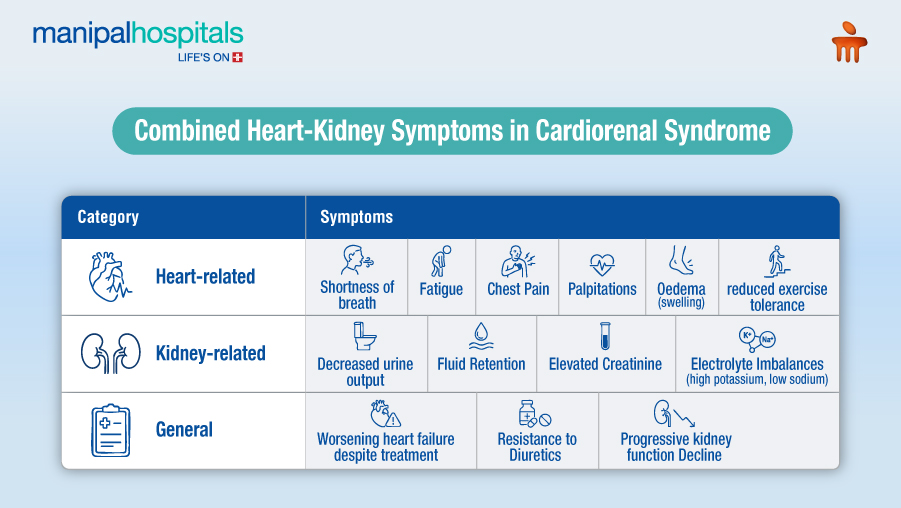
The symptoms of cardiorenal syndrome may develop gradually and are often mistaken for worsening heart disease alone.
Watch for these warning signs:
-
Symptoms Related to Heart Dysfunction
-
Shortness of breath
-
Swelling in the legs and ankles
-
Chest discomfort
-
Fatigue and weakness
-
Rapid weight gain from fluid retention
Symptoms Related to Kidney Dysfunction
-
Reduced urine output
-
Foamy urine
-
Puffiness around the eyes
-
Nausea and loss of appetite
-
Elevated blood pressure
-
Rising creatinine levels
Many patients discover the condition only after abnormal blood tests reveal worsening kidney function.
Understanding Creatinine Levels in Cardiac Patients
One of the most important markers used to identify kidney stress is elevated creatinine levels in cardiac patients.
Creatinine is a waste product filtered by the kidneys. When kidney function declines, creatinine accumulates in the bloodstream.
In patients with heart disease, rising creatinine levels may indicate:
-
Reduced kidney blood flow
-
Fluid imbalance
-
Acute kidney injury
-
Medication-related kidney stress
-
Progressive chronic kidney disease
Monitoring creatinine levels in cardiac patients helps doctors adjust medications, fluid therapy, and cardiac management plans before severe complications develop.
Our multidisciplinary approach involving cardiologists and nephrologists in Delhi helps detect early kidney impairment before irreversible damage occurs.
Types of Cardiorenal Syndrome
Medical experts classify cardiorenal syndrome into five major types:
-
Type 1: Acute Cardiorenal Syndrome - Sudden heart failure causes rapid kidney injury.
-
Type 2: Chronic Cardiorenal Syndrome - Long-term heart disease gradually impairs kidney function.
-
Type 3: Acute Renocardiac Syndrome - Acute kidney injury suddenly affects heart function.
-
Type 4: Chronic Renocardiac Syndrome - Chronic kidney disease contributes to heart complications.
-
Type 5: Secondary Cardiorenal Syndrome - Systemic illnesses such as sepsis or diabetes damage both organs simultaneously.
Identifying the specific type helps determine the most effective cardiorenal syndrome treatment plan.
Risk Factors for Cardiorenal Syndrome
Several factors increase the likelihood of developing cardiorenal syndrome, including:
-
Chronic heart failure
-
Coronary artery disease
-
Diabetes mellitus
-
Long-standing hypertension
-
Obesity
-
Advanced age
-
Smoking
-
Chronic kidney disease
-
Uncontrolled fluid retention
Patients with multiple risk factors require regular kidney evaluations to reduce the risk of severe complications.
How Cardiorenal Syndrome Is Diagnosed
Diagnosing cardiorenal syndrome requires detailed evaluation of both heart and kidney function.
Investigations may include:
-
Blood tests for kidney function
-
Urine analysis
-
Echocardiography
-
ECG
-
Fluid status assessment
-
Imaging studies
-
Electrolyte monitoring
-
Cardiac biomarkers
Special attention is given to creatinine levels in cardiac patients, as even small increases may signal significant kidney stress.
Early diagnosis significantly improves treatment outcomes and reduces the risk of hospital admissions.
Cardiorenal Syndrome Treatment: Managing Both Organs Together
Effective cardiorenal syndrome treatment focuses on stabilising both heart and kidney function simultaneously.
Treatment may include:
-
Fluid Management - Careful regulation of body fluids helps reduce congestion without worsening kidney injury.
-
Blood Pressure Control - Optimal blood pressure management protects both organs from further damage.
-
Heart Failure Medications - Specialised medications improve cardiac output and circulation.
-
Kidney-Protective Therapies - Therapies aimed at preserving kidney filtration capacity are essential in advanced disease.
Lifestyle Modifications
Patients are advised to:
-
Reduce salt intake
-
Control blood sugar
-
Maintain a healthy weight
-
Avoid smoking
-
Monitor fluid intake
-
Follow prescribed medications consistently
Because treatment is highly individualised, ongoing monitoring by our nephrologists in Delhi is often necessary for long-term disease control.
When Is Dialysis Needed for Heart Patients?
In severe cases, kidney function may decline to the point where dialysis for heart patients becomes necessary.
Dialysis may be recommended when:
-
Fluid overload becomes life-threatening
-
Potassium levels rise dangerously
-
Kidney filtration drops severely
-
Medications stop working effectively
-
Breathing difficulty worsens due to fluid accumulation
Modern approaches to dialysis for heart patients are carefully tailored to maintain cardiovascular stability while removing excess toxins and fluid safely.
Timely intervention can significantly improve the quality of life and reduce emergency complications.
Preventing Heart Disease and Kidney Failure Together
Preventing heart disease and kidney failure requires proactive health management.
Key preventive measures include:
-
Regular blood pressure monitoring
-
Diabetes control
-
Early treatment of heart disease
-
Routine kidney function tests
-
Healthy diet and exercise
-
Avoiding self-medication
-
Limiting alcohol and tobacco use
Patients with heart failure should undergo periodic renal evaluation, especially if symptoms worsen unexpectedly.
Collaborative care involving cardiologists and our nephrologists in Delhi plays a crucial role in reducing long-term complications.
When Should You See a Specialist?
Seek immediate medical evaluation if you experience:
-
Sudden swelling
-
Reduced urination
-
Persistent breathlessness
-
Rapid weight gain
-
Severe fatigue
-
Abnormal kidney blood tests
-
Uncontrolled blood pressure
Early intervention by our kidney specialist in Delhi can help slow disease progression and prevent irreversible organ damage.
Final Thoughts
Cardiorenal syndrome is a serious but manageable condition when detected early. Since the heart and kidneys work in close coordination, dysfunction in one organ can rapidly affect the other.
Timely diagnosis, regular monitoring, and integrated care are essential for improving outcomes in patients dealing with heart disease and kidney failure. Advances in modern medicine now allow better control of fluid balance, cardiac function, and kidney preservation than ever before.
If you or a loved one has heart disease along with worsening kidney function, seeking expert evaluation at the earliest can make a significant difference in long-term health and quality of life.
FAQ's
Cardiorenal syndrome is a condition where heart dysfunction negatively affects kidney function, or kidney disease worsens heart health.
Yes. Reduced blood flow from heart failure can impair kidney filtration and gradually lead to kidney dysfunction.
Elevated creatinine levels in cardiac patients may indicate reduced kidney function and require immediate medical attention.
No. Dialysis for heart patients is usually reserved for severe cases where kidney function declines significantly or fluid overload becomes dangerous.
Yes. Early diagnosis, lifestyle changes, medication management, and coordinated specialist care can significantly improve outcomes with proper cardiorenal syndrome treatment.
Share this article on:


_Early_Detection.webp "Chronic kidney disease")