5 Min Read
Kidneys quietly perform some of the body’s most essential functions — filtering toxins, balancing fluids, controlling blood pressure, and maintaining electrolyte levels. Yet, many people unknowingly expose their kidneys to harm every day through common medications and diagnostic procedures. Unfortunately, early kidney damage symptoms are often subtle and ignored until significant injury has already occurred.
From frequent painkiller use to contrast dyes used during CT scans and angiography, several modern medical practices can contribute to hidden kidney injury. Understanding the warning signs, risks, and prevention strategies can help protect long-term kidney health.
Synopsis
- Why Hidden Kidney Damage Often Goes Undetected
- NSAIDs Kidney Damage: The Silent Threat of Everyday Painkillers
- Can Paracetamol Cause Kidney Damage?
- Contrast Nephropathy: Kidney Injury After Scans and Procedures
- Painkillers and Kidney Damage: How the Injury Progresses
- Can Kidney Damage from NSAIDs Be Reversed?
- How to Protect Your Kidneys from Hidden Damage
- When Should You See a Nephrologist?
- Conclusion
Why Hidden Kidney Damage Often Goes Undetected
One of the biggest challenges with kidney disease is that kidney damage symptoms may not appear immediately. The kidneys can continue functioning reasonably well even after substantial damage has occurred.
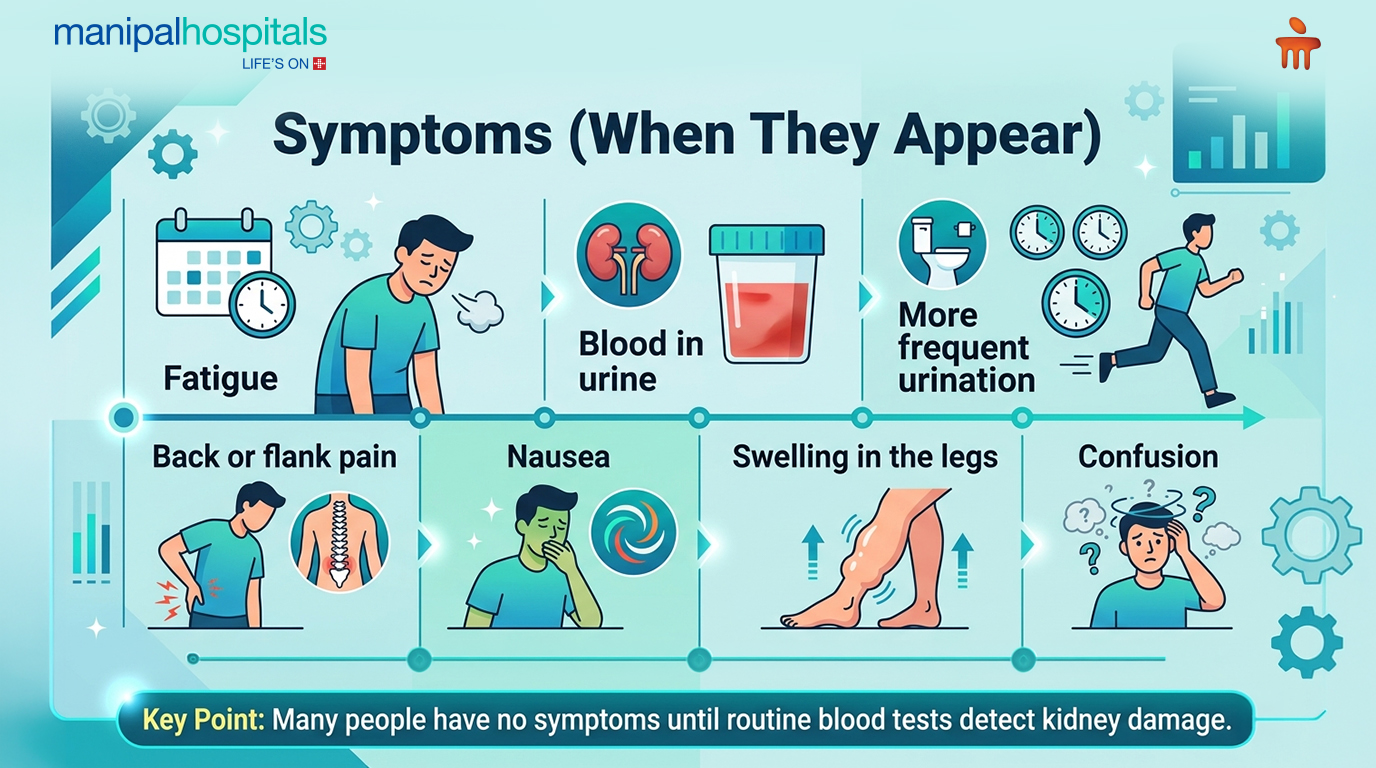
Early kidney damage symptoms may include:
-
Persistent fatigue
-
Swelling in feet or ankles
-
Changes in urination
-
Foamy urine
-
Nausea or loss of appetite
-
Difficulty concentrating
-
Muscle cramps
Because these kidney damage symptoms overlap with many common health conditions, people frequently dismiss them. This delay often results in worsening kidney function over time.
Our nephrologists in Delhi frequently diagnose patients with advanced kidney injury who initially ignored mild kidney damage symptoms for months or even years.
NSAIDs Kidney Damage: The Silent Threat of Everyday Painkillers
Non-steroidal anti-inflammatory drugs (NSAIDs) are among the most widely consumed medications globally. Medicines such as ibuprofen, diclofenac, naproxen, and certain combination painkillers are commonly used for headaches, arthritis, back pain, and fever.
However, NSAIDs' kidney damage is a growing concern, especially among individuals who use these medicines regularly without medical supervision.
NSAIDs reduce blood flow to the kidneys by affecting prostaglandin production. Over time, this can impair kidney filtration and trigger progressive kidney injury.
Common Risk Factors for NSAIDs Kidney Damage
You may be at higher risk if you:
-
Are over 60 years old
-
Have diabetes or hypertension
-
Suffer from dehydration
-
Already have reduced kidney function
-
Take NSAIDs frequently for chronic pain
-
Use multiple medications affecting the kidneys
Repeated use of NSAIDs may eventually lead to chronic kidney disease if left unmanaged.
Analgesic Nephropathy: Long-Term Painkiller Abuse and Kidney Failure
Analgesic Nephropathy refers to chronic kidney damage caused by prolonged use of pain-relieving medications. This condition often develops slowly over several years.
Painkillers and Kidney Damage are strongly associated when medications are consumed in high doses or combined unnecessarily. Many individuals take over-the-counter painkillers, assuming they are harmless, which increases the risk of Analgesic Nephropathy.
Symptoms of Analgesic Nephropathy
Common warning signs include:
-
Blood in urine
-
Increased urination at night
-
Persistent back pain
-
Fatigue
-
Swelling
-
Reduced urine output
-
Progressive kidney damage symptoms
Our nephrologists in Delhi often advise patients with chronic pain conditions to undergo periodic kidney function monitoring to detect early signs of Analgesic Nephropathy.
Can Paracetamol Cause Kidney Damage?
Many people assume paracetamol is completely safe because it is commonly prescribed and easily available. However, the question “Can paracetamol cause kidney damage?” deserves serious attention.
When taken occasionally and within recommended doses, paracetamol is generally considered safer than NSAIDs. However, excessive or prolonged use may still contribute to kidney injury, especially in individuals with existing kidney disease or dehydration.
Can paracetamol cause kidney damage if combined with other medicines? Yes, especially when combined with NSAIDs, alcohol, or certain antibiotics that increase kidney stress.
Repeated misuse can worsen kidney damage symptoms and contribute to long-term renal impairment.
Contrast Nephropathy: Kidney Injury After Scans and Procedures
Contrast nephropathy is a form of acute kidney injury triggered by contrast dyes used in imaging procedures, such as:
-
CT scans
-
Coronary angiography
-
MRI contrast studies
-
Vascular imaging
These contrast agents can temporarily reduce kidney blood flow and directly injure kidney cells, particularly in vulnerable individuals.
Who Is at Risk of Contrast Nephropathy?
The risk of contrast nephropathy increases in people with:
-
Diabetes
-
Existing kidney disease
-
Advanced age
-
Dehydration
-
High blood pressure
Kidney damage symptoms after contrast exposure may develop within 24–72 hours and can include reduced urination, swelling, fatigue, and nausea.
Our nephrologists in Delhi carefully assess kidney function before recommending contrast-based investigations in high-risk patients.
Painkillers and Kidney Damage: How the Injury Progresses
Painkillers and Kidney Damage are linked through multiple mechanisms. Reduced blood supply, inflammation, oxidative stress, and direct toxicity can gradually impair kidney filtration.
Initially, kidney damage symptoms may remain silent. As damage progresses, patients may experience:
-
Persistent swelling
-
Uncontrolled blood pressure
-
Weakness
-
Sleep disturbances
-
Fluid retention
Without timely intervention, hidden kidney injury may progress to chronic kidney disease or even kidney failure.
Can Kidney Damage from NSAIDs Be Reversed?
One of the most frequently asked questions is: Can kidney damage from NSAIDs be reversed?
The answer depends on the severity and duration of the injury.
In many cases, mild kidney injury caused by NSAIDs improves after stopping the medication and restoring hydration. However, prolonged NSAID kidney damage may become permanent if scarring has already developed.
Early recognition of kidney damage symptoms significantly improves recovery chances.
Can kidney damage from NSAIDs be reversed completely in severe cases? Not always. Advanced kidney scarring may require long-term medical management, dialysis, or transplantation.
This is why early diagnosis is critical.
How to Protect Your Kidneys from Hidden Damage
Simple lifestyle measures can significantly reduce your risk of kidney injury.
Protect Your Kidney Health by:
-
Avoiding unnecessary painkiller use
-
Never exceeding recommended medication doses
-
Drinking adequate water
-
Monitoring blood pressure and diabetes
-
Getting regular kidney function tests
-
Informing doctors about existing kidney disease before scans
-
Avoiding self-medication
Our kidney specialist in Delhi recommends annual kidney screening for individuals with diabetes, hypertension, or chronic pain medication use.
When Should You See a Nephrologist?
You should consult a kidney specialist immediately if you experience:
-
Persistent kidney damage symptoms
-
Reduced urination
-
Blood in urine
-
Swelling in the legs or face
-
Unexplained fatigue
-
Sudden rise in blood pressure
Early treatment can often prevent irreversible kidney damage and preserve long-term kidney function.
Our nephrologists in Delhi focus on early diagnosis, medication review, kidney-protective strategies, and personalised treatment plans to minimise complications from Painkillers and Kidney Damage.
Conclusion
Hidden kidney injury caused by medications and diagnostic contrast dyes is more common than many people realise. NSAIDs, Analgesic Nephropathy, and contrast nephropathy can quietly impair kidney function long before severe symptoms appear.
Recognising kidney damage symptoms early and seeking prompt medical guidance can make a major difference in preventing chronic kidney disease. Whether it involves understanding if Can paracetamol can cause kidney damage or knowing if kidney damage from NSAIDs can be reversed, awareness remains the first step towards kidney protection.
If you frequently use painkillers or have undergone repeated contrast-based scans, timely kidney evaluation can help detect hidden problems before they become serious.
FAQ's
Early kidney damage symptoms may include fatigue, swelling, foamy urine, frequent urination, nausea, and high blood pressure. Many people experience mild symptoms initially, making regular health check-ups important.
Yes, prolonged or excessive use may increase the risk of kidney injury, especially when combined with dehydration, alcohol, or existing kidney disease
Contrast nephropathy is kidney injury caused by contrast dyes used during imaging procedures like CT scans and angiography. It usually develops within a few days after exposure.
Mild kidney injury may improve after stopping NSAIDs and receiving proper treatment. However, severe or long-standing damage may become permanent.
Avoid unnecessary painkiller use, stay hydrated, follow prescribed doses, and undergo regular kidney function tests if you use pain medications frequently.
Share this article on:


_Early_Detection.webp "Chronic kidney disease")