7 Min Read
Digestive health problems affecting the colon can significantly impact quality of life, especially when conditions such as colon cancer, inflammatory bowel disease, or severe diverticular disease require surgical treatment. In such situations, hemicolectomy surgery is often recommended to remove the diseased section of the colon while preserving healthy bowel function.
With advances in minimally invasive techniques, laparoscopic hemicolectomy has become a preferred option for many patients because it offers reduced pain, faster recovery, and smaller scars compared to traditional open surgery. Understanding the procedure, its benefits, recovery timeline, and potential risks can help patients make informed decisions before undergoing hemicolectomy surgery.
Synopsis
- What Is Hemicolectomy Surgery?
- When Is Laparoscopic Hemicolectomy Recommended?
- What Happens During Laparoscopic Hemicolectomy?
- Benefits of Laparoscopic Hemicolectomy
- Recovery After Hemicolectomy Surgery
- Risks and Complications of Hemicolectomy Surgery
- Life Expectancy After Right Hemicolectomy
- How to Prepare for Hemicolectomy Surgery
- Lifestyle Changes After Hemicolectomy Surgery
- When to See a Doctor Immediately
- Conclusion
What Is Hemicolectomy Surgery?
Hemicolectomy surgery is a surgical procedure performed to remove either the right or left half of the colon. Depending on the location of the disease, the surgeon may recommend:
-
Right hemicolectomy
-
Left hemicolectomy
-
Extended hemicolectom
After the affected part is removed, the healthy ends of the intestine are reconnected to restore normal bowel continuity. This procedure is commonly performed as part of colon cancer surgery, although it may also be recommended for non-cancerous conditions.
Today, many patients are opting for laparoscopic colon surgery, which uses small incisions and specialised instruments to operate with greater precision and less trauma to surrounding tissues.
When Is Laparoscopic Hemicolectomy Recommended?
Doctors may advise hemicolectomy surgery for several medical conditions, including:
-
Colon cancer
-
Large colon polyps
-
Crohn’s disease
-
Ulcerative colitis
-
Diverticular disease
-
Bowel obstruction
-
Gastrointestinal bleeding
-
Traumatic colon injury
Early diagnosis and timely surgical intervention can improve long-term outcomes, particularly in cases involving colon cancer surgery. Many patients consult our doctors in Delhi to evaluate whether minimally invasive surgery is suitable for their condition.
What Happens During Laparoscopic Hemicolectomy?
During laparoscopic hemicolectomy, the surgeon makes several small incisions in the abdomen instead of one large cut. A laparoscope equipped with a camera is inserted to provide a clear, magnified view of the colon.
The procedure generally involves the following steps:
-
Administration of general anaesthesia
-
Creation of small abdominal incisions
-
Insertion of laparoscopic instruments
-
Identification and removal of the diseased colon segment
-
Reconnection of healthy bowel ends
-
Closure of the incisions
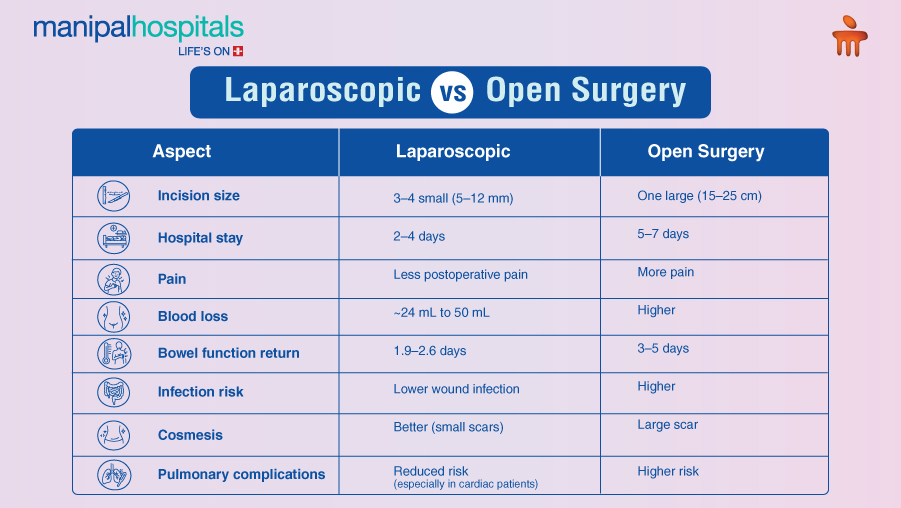
Compared to conventional open procedures, laparoscopic colon surgery usually results in less postoperative discomfort and quicker recovery.
Benefits of Laparoscopic Hemicolectomy
Modern hemicolectomy surgery techniques offer several advantages, particularly when performed laparoscopically.
-
Smaller Incisions and Minimal Scarring - One of the biggest benefits of laparoscopic hemicolectomy is the use of tiny incisions, which reduces visible scarring and tissue damage.
-
Reduced Pain After Surgery - Patients undergoing minimally invasive colon cancer surgery generally experience less postoperative pain compared to open surgery.
-
Faster Recovery - Most patients recover more quickly after laparoscopic colon surgery, allowing them to return to routine activities sooner.
-
Shorter Hospital Stay - Hospitalisation is often reduced because minimally invasive procedures promote quicker healing.
-
Lower Risk of Infection - Smaller wounds lower the chances of wound infection and postoperative complications.
Our doctors in Delhi frequently recommend minimally invasive hemicolectomy surgery for eligible patients due to its recovery-related benefits.
Recovery After Hemicolectomy Surgery
Recovery after hemicolectomy surgery depends on several factors, including the patient’s overall health, the extent of the disease, and whether the procedure was performed laparoscopically.
Immediate Recovery
After surgery, patients are closely monitored for:
-
Pain control
-
Bowel function recovery
-
Infection prevention
-
Hydration and nutrition
Walking is encouraged early to reduce the risk of blood clots and improve circulation.
Diet After Surgery
Patients usually begin with liquids before gradually progressing to soft foods and eventually a normal, balanced diet.
Common dietary recommendations include:
-
Eating smaller meals
-
Increasing fluid intake
-
Avoiding processed foods initially
-
Including fibre gradually
Physical Activity
Light activities may resume within a few weeks, but heavy lifting should be avoided until complete healing occurs.
Emotional Recovery
Undergoing colon cancer surgery performed by the General Surgery team can be emotionally challenging. Support from family members, healthcare providers, and counselling professionals can significantly improve mental well-being during recovery.
Many patients follow up regularly with our doctors in Delhi to ensure smooth recovery and monitor long-term digestive health.
Risks and Complications of Hemicolectomy Surgery
Although hemicolectomy surgery is considered safe, like all major surgeries, it carries certain risks.
Possible complications include:
-
Bleeding
-
Infection
-
Leakage from bowel reconnection
-
Blood clots
-
Injury to nearby organs
-
Bowel obstruction
-
Anaesthesia-related complications
The risk profile may vary depending on age, medical history, and disease severity. Choosing an experienced surgical team for laparoscopic hemicolectomy can significantly reduce complications.
Life Expectancy After Right Hemicolectomy
One of the most common concerns patients have is regarding Life expectancy after right hemicolectomy.
The long-term outlook depends largely on:
-
The underlying disease
-
Stage of colon cancer
-
Overall patient health
-
Response to treatment
-
Early diagnosis
When hemicolectomy surgery is performed for early-stage colon cancer, survival outcomes can be highly favourable. Advances in laparoscopic colon surgery have also improved postoperative recovery and quality of life.
Patients are encouraged to maintain regular follow-ups, healthy dietary habits, and routine screenings after surgery. Our doctors in Delhi provide personalised postoperative guidance to support long-term recovery and improved health outcomes.
How to Prepare for Hemicolectomy Surgery
Preparation for hemicolectomy surgery usually includes:
-
Blood investigations
-
Imaging scans
-
Bowel preparation
-
Medication review
-
Fasting before surgery
Patients should discuss all existing medical conditions and medications with their surgical team before the procedure.
Consulting our general surgeon in Delhi can help patients understand the surgical approach, recovery expectations, and potential outcomes more clearly.
Lifestyle Changes After Hemicolectomy Surgery
Long-term success after hemicolectomy surgery often depends on maintaining healthy lifestyle habits.
Important recommendations include:
-
Following a balanced high-fibre diet
-
Staying physically active
-
Maintaining a healthy weight
-
Avoiding smoking and excessive alcohol use
-
Attending regular medical check-ups
These measures support digestive health and may reduce the risk of future colorectal complications.
When to See a Doctor Immediately
After laparoscopic hemicolectomy, patients should seek urgent medical attention if they experience:
-
Persistent fever
-
Severe abdominal pain
-
Vomiting
-
Excessive bleeding
-
Difficulty passing stool or gas
-
Signs of wound infection
Early medical intervention can help prevent serious postoperative complications.
Conclusion
Advancements in laparoscopic colon surgery have transformed the management of colorectal diseases by making procedures safer, less painful, and more effective. Whether performed for cancer, inflammatory bowel disease, or other colon disorders, hemicolectomy surgery can significantly improve patient outcomes and quality of life.
Understanding the procedure, recovery process, and possible risks enables patients to approach surgery with greater confidence and preparedness. Timely diagnosis, expert surgical care, and consistent follow-up remain essential for achieving the best possible results after laparoscopic hemicolectomy.
At Manipal Hospitals Delhi, our experienced General Surgery specialists provide advanced laparoscopic hemicolectomy using minimally invasive techniques, helping patients achieve better outcomes and faster recovery.
FAQ's
Most patients recover within 4 to 8 weeks after hemicolectomy surgery, although recovery may vary depending on the individual and surgical approach.
Compared to open surgery, laparoscopic hemicolectomy usually causes less postoperative pain due to smaller incisions.
Yes, many patients return to normal daily activities after successful colon cancer surgery, especially with a proper diet and follow-up care.
Patients are often advised to temporarily avoid spicy foods, processed foods, and heavy fatty meals during early recovery after hemicolectomy surgery.
Life expectancy after right hemicolectomy can be excellent when the disease is diagnosed early and treated effectively with appropriate surgery and follow-up care.
Share this article on: