


 4 Min Read
Dialysis is a medical procedure that is used to treat patients with kidney failure. The kidneys are responsible for filtering waste products and excess water from the blood, but when they stop functioning properly, dialysis can help remove these waste products from the body.
Types Of Dialysis
There are two main types of dialysis: hemodialysis and peritoneal dialysis.
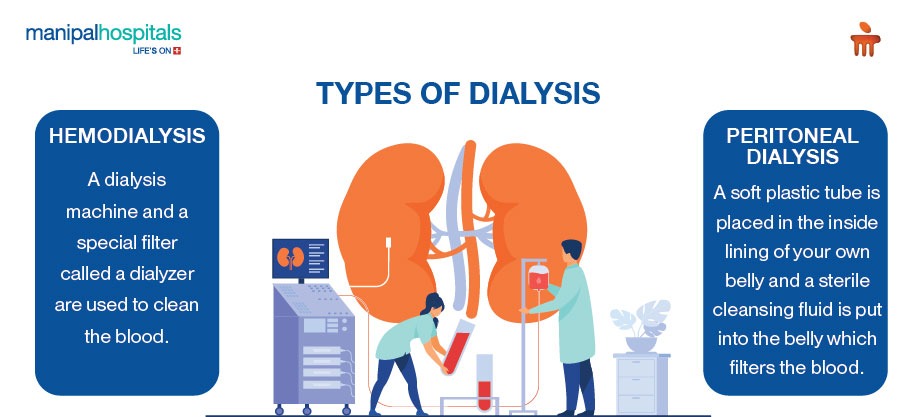
Hemodialysis
Hemodialysis is the most common type of dialysis and involves using a machine to filter the blood outside of the body. During hemodialysis, a patient's blood is pumped through a dialysis machine, which filters out waste products and excess water. The clean blood is then returned to the patient's body through a vein or artery. Hemodialysis is typically done three times per week, and each session lasts around four hours.
Peritoneal Dialysis
Peritoneal dialysis is another type of dialysis that involves using the lining of the patient's abdomen to filter the blood. During peritoneal dialysis, a catheter is inserted into the patient's abdomen, and a special fluid is introduced into the abdominal cavity. The fluid then absorbs waste products from the blood, and after a few hours, it is drained out of the body. Peritoneal dialysis can be done at home, and patients typically perform the procedure multiple times per day.
Both types of dialysis have benefits and drawbacks, and the choice of which type to use depends on the patient's individual needs and preferences. Hemodialysis is usually done three times a week, while peritoneal dialysis is done daily. Hemodialysis requires regular trips to a dialysis centre, while peritoneal dialysis can be done at home. Ultimately, the goal of dialysis is to help patients live as normal and healthy a life as possible, despite their kidney failure.
Benefits Of Dialysis
There are several benefits to dialysis at the best kidney/nephrology hospital in Bangalore, including improved quality of life, increased energy levels, and a longer lifespan. However, there are also risks associated with dialysis, including infection, blood clots, and low blood pressure. Patients need to work closely with their healthcare providers to manage these risks and ensure that they receive the best possible care.
Other benefits of Dialysis are-
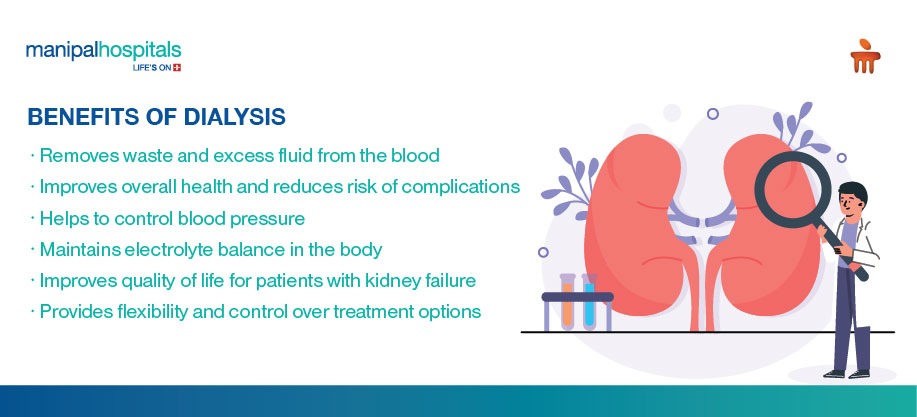
- Removes waste and excess fluid from the blood
- Improves overall health and reduces the risk of complications
- Helps to control blood pressure
- Maintains electrolyte balance in the body
- Improves quality of life for patients with kidney failure
- Provides flexibility and control over treatment options.
One of the most important things for patients to understand about dialysis is that it is not a cure for kidney failure. However, under the supervision of the top nephrologists in Bangalore, it can help to manage the symptoms of the condition and improve the patient's quality of life. Patients who undergo dialysis may also need to make changes to their diet and exercise routine to help manage their condition.
Dialysis is an important medical procedure that can help to manage the symptoms of kidney failure. Patients need to understand the different types of dialysis, the benefits and risks associated with the procedure, and the importance of working closely with their healthcare providers to manage their condition. With the right care and support, patients can live long and healthy lives despite their kidney failure.
Frequently Asked Questions (FAQs) On Dialysis:
1. What is dialysis?
Dialysis is a medical treatment that helps to remove waste and excess fluids from the blood when the kidneys are no longer able to perform this function.
2. When is dialysis necessary?
Dialysis is necessary when the kidneys are no longer able to function properly. This can occur due to a variety of reasons, such as chronic kidney disease, diabetes, or high blood pressure.
3. What are the different types of dialysis?
The two main types of dialysis are hemodialysis and peritoneal dialysis. Hemodialysis involves using a machine to filter the blood outside the body, while peritoneal dialysis involves using the lining of the abdomen to filter the blood.
4. How often do patients need to undergo dialysis?
The frequency of dialysis depends on the individual patient's needs and the type of dialysis they are receiving. Hemodialysis is typically performed three times a week, while peritoneal dialysis can be done daily.
5. Are there any risks associated with dialysis?
As with any medical procedure, there are some risks associated with dialysis, such as infection, bleeding, and low blood pressure. However, these risks can be minimized through proper monitoring and care.






