


 7 Min Read
As temperatures rise and physical activity increases, many individuals find themselves grappling with a common yet uncomfortable condition: heat cramps. Often underestimated, these sudden, painful muscle spasms can significantly disrupt daily life and athletic performance. Understanding what heat cramps are, why they occur, and most importantly, how to get instant relief and prevent them, is crucial for staying healthy and active, especially in warmer climates.
Synopsis
Understanding Heat Cramps
Heat cramps are the mildest form of heat-related illness, characterised by involuntary, painful contractions of muscles, most commonly affecting the calves, thighs, and abdominal muscles. They typically occur during or after intense physical activity in hot environments, or even after prolonged exposure to heat without strenuous exertion.
What Causes Heat Cramps?
The primary culprits behind why heat cramps happen are disruptions of fluid and electrolyte levels, particularly sodium, potassium, and magnesium, which occur due to:
-
Dehydration: Insufficient fluid intake leads to a decrease in overall body water, impairing muscle function.
-
Electrolyte Imbalance: Profuse sweating can deplete essential minerals like sodium, which are vital for nerve signal transmission and muscle contraction.
-
Intense Physical Activity: Muscles working hard generate more heat and require more blood flow, further stressing the body's cooling mechanisms and nutrient supply.
-
Hot and Humid Environments: High temperatures and humidity make it harder for the body to cool itself through sweat evaporation, increasing core body temperature and fluid loss.
-
Inadequate Acclimatisation: People not accustomed to exercising in hot weather are at a higher risk as their bodies haven't adapted to efficient cooling and electrolyte retention.
Recognising Heat Cramps Symptoms
Identifying heat cramps symptoms early is key to prompt relief. The most obvious signs include:
-
Sudden, Painful Muscle Spasms: These are often localised in the calves, thighs, hamstrings, or abdominal muscles. The pain can range from a dull ache to an intense, sharp sensation.
-
Muscle Tightness or Twinges: Before full-blown cramps, you might feel an unusual tightness or minor twitching in the affected muscles.
-
Fatigue: A general feeling of tiredness or weakness can accompany the cramps.
-
Heavy Sweating: While sweating is normal, excessive sweating during exertion in the heat can signal significant fluid and electrolyte loss.
It's important to differentiate heat cramps from more severe heat-related illnesses like heat exhaustion or heatstroke. If symptoms escalate beyond muscle cramps to include nausea, dizziness, confusion, or a high fever, immediate medical attention is critical.
Instant Relief and Effective Heat Cramps Treatment
When heat cramps strike, rapid action can provide significant relief. With timely intervention, cases resolve completely within minutes to hours, allowing individuals to recover quickly.
Immediate Steps for Relief:
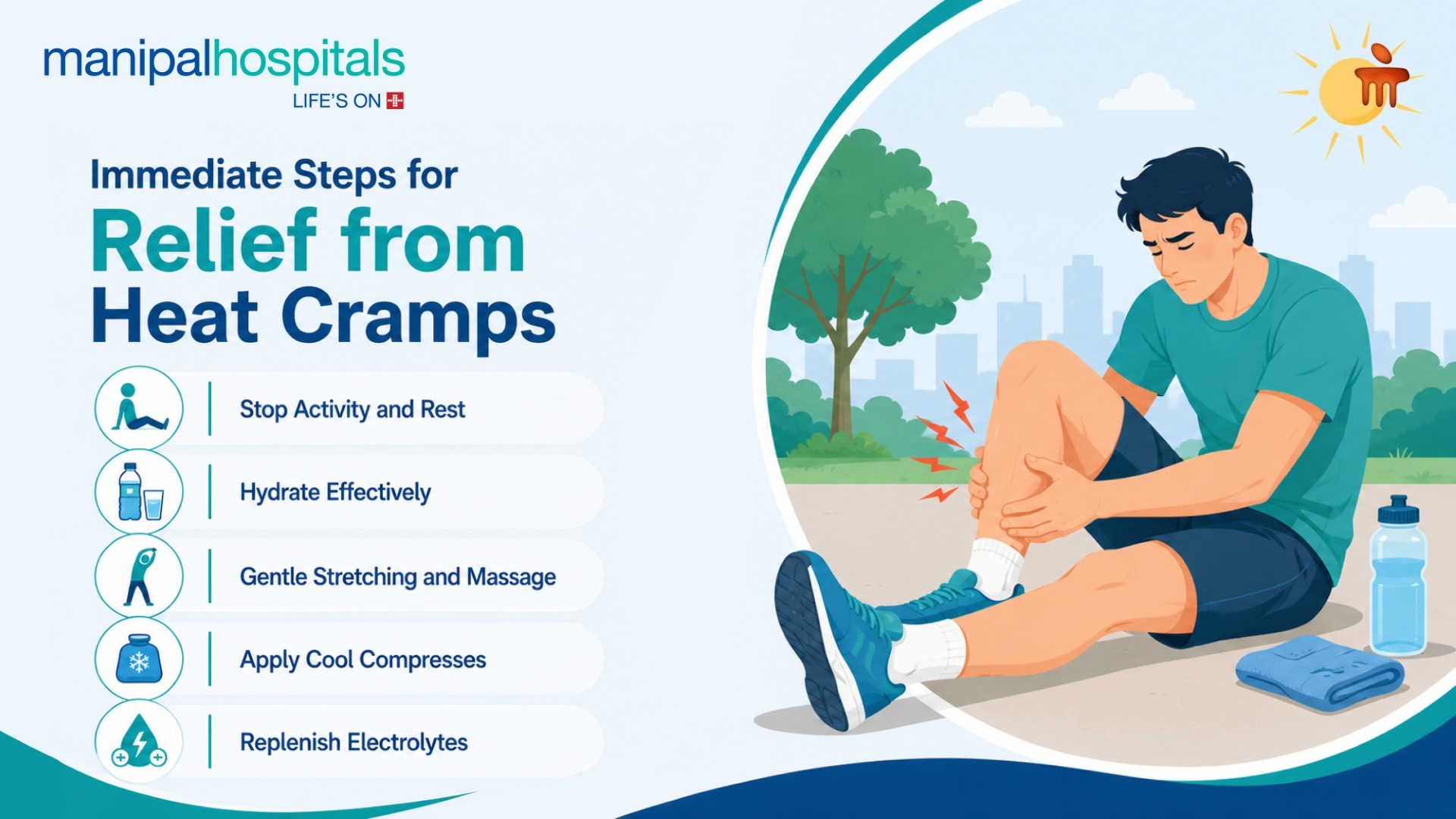
-
Stop Activity and Rest: Move to a cooler, shaded area immediately. Lie down and elevate your legs if possible.
-
Hydrate Effectively: Drink cool fluids, preferably those containing electrolytes. Sports drinks are designed for this purpose, providing both fluids and essential minerals. Water is good, but plain water alone might not be enough to restore electrolyte balance. Aim to rehydrate gradually but consistently.
-
Gentle Stretching and Massage: Gently stretch and massage the cramped muscle. For a calf cramp, pull your toes up towards your shin. For a hamstring cramp, try to straighten your leg.
-
Apply Cool Compresses: Placing a cool, damp cloth on the affected area can help soothe the muscle.
-
Replenish Electrolytes: If sports drinks aren't available, consume salty snacks or electrolyte tablets with water.
When to Seek Medical Attention
While most heat cramps are manageable at home, consult a healthcare professional if:
-
Cramps persist for more than an hour despite relief efforts.
-
You have underlying medical conditions, especially heart or kidney disease.
-
You develop symptoms of heat exhaustion (dizziness, nausea, vomiting, faintness, profuse sweating, cold/clammy skin) or heatstroke (confusion, loss of consciousness, hot/dry skin, high body temperature).
Avoiding Heat Cramps
Preventing heat cramps is far easier than treating them. Implement proactive strategies such as:
-
Prioritise Hydration: Drink plenty of fluids throughout the day, not just when you feel thirsty. Aim for 8-10 glasses of water daily, and increase intake when active or in hot weather. Start hydrating well before outdoor activities.
-
Electrolyte-Rich Diet: Include foods rich in potassium (bananas, oranges), magnesium (nuts, seeds, leafy greens), and sodium (moderately salted foods) in your diet.
-
Gradual Acclimatisation: If you're new to exercising in hot conditions, gradually increase the intensity and duration of your workouts over 10-14 days. This allows your body to adapt.
-
Wear Appropriate Clothing: Opt for loose-fitting, light-colored, breathable fabrics that wick away sweat.
-
Avoid Peak Heat Hours: Schedule strenuous activities for the cooler parts of the day, such as early morning or late evening.
-
Take Frequent Breaks: During prolonged activity in the heat, take regular breaks in shaded or air-conditioned areas to cool down and rehydrate.
-
Listen to Your Body: Pay attention to early warning signs of fatigue or discomfort and adjust your activity level accordingly.
Who is Susceptible to Heat Cramps?
While anyone can experience heat cramps, certain individuals and groups face a higher risk:
-
Athletes and Physically Active Individuals: Especially those training or competing in hot, humid conditions. Intense physical activity leads to significant fluid and electrolyte loss, which can exacerbate heat cramp symptoms.
-
Older Adults: The body's ability to regulate temperature can diminish with age, and older adults may also be on medications that affect fluid balance, making them more prone to heat cramps.
-
Young Children: Children have a higher surface area to mass ratio and may not recognise the signs of dehydration as readily as adults, increasing their risk of developing heat cramps.
-
Individuals with Certain Medical Conditions: Conditions like heart disease, kidney issues, or diabetes can impair the body's ability to manage heat stress and electrolyte balance. These conditions can worsen heat cramp symptoms and complicate heat cramp treatment. Individuals with underlying health conditions may benefit from consultation with the Department of Internal Medicine for proper evaluation and care.
-
Those Taking Specific Medications: Diuretics, antihistamines, beta-blockers, and some psychiatric medications can increase susceptibility to heat-related illnesses by affecting hydration or thermoregulation.
-
Individuals Not Acclimatised to Heat: People who are not regularly exposed to hot environments or who travel to warmer climates are at increased risk until their bodies adapt.
-
Workers in Hot Environments: Construction workers, firefighters, and factory workers are routinely exposed to high temperatures, increasing their risk of heat cramps and other heat-related issues, requiring diligent heat cramps treatment and prevention.
Conclusion
When it comes to heat cramps, trying to push through the discomfort is a losing battle. While these painful muscle spasms are the mildest form of heat illness, they are your body's early warning system, a clear signal that your fluid and electrolyte levels are dangerously depleted.
By taking heat safety seriously, listening to your body, and intervening at the first sign of a cramp, you can prevent a minor physical setback from escalating into more severe conditions like heat exhaustion or heat stroke.
If you are suffering from heat cramps or have any of the associated symptoms, please do visit our experts at the Department of Internal Medicine. They will help you to address the causes of the cramps and get immediate relief.
FAQ's
Heat cramps are generally the mildest form of heat illness. While painful, they are usually not serious on their own. However, they can be a warning sign that your body is struggling with heat and could progress to more severe conditions like heat exhaustion or heatstroke if not addressed.
Yes, children are also susceptible to heat cramps, especially during sports or outdoor play in hot weather. It's crucial to ensure they stay adequately hydrated and take regular breaks.
With prompt intervention, resting in a cool place, rehydrating with electrolytes, and gentle stretching, most heat cramps resolve within minutes to an hour. Recovery to full activity might take a few hours of continued hydration and rest.
For moderate, everyday activity, water is usually sufficient. However, for prolonged or intense physical activity (over an hour) in hot conditions, sports drinks that replace electrolytes (especially sodium) are highly beneficial in preventing heat cramps and aiding recovery.
Yes, some medications, such as diuretics (water pills) or certain blood pressure medications, can affect fluid and electrolyte balance, potentially increasing your risk of heat-related illnesses. Always discuss your medications and activity levels with your doctor.
While the sensation is similar, heat cramps are specifically triggered by heat exposure, dehydration, and electrolyte imbalance, often during or after physical exertion in warm environments. Regular muscle cramps can occur for various reasons, including overuse, fatigue, or mineral deficiencies, but not necessarily linked to heat stress.
Share this article on:






