


 6 Min Read
A concussion may seem like a minor head injury, but sometimes the symptoms do not go away quickly. When symptoms continue for weeks or even months after a concussion, the condition is called Post-Concussion Syndrome (PCS).
Many people recover from a concussion within a few days. However, some continue to experience headaches, dizziness, tiredness, memory issues, or difficulty concentrating. These symptoms can affect daily life, work, studies, and emotional well-being.
Synopsis
What is Post-Concussion Syndrome?
Post-Concussion Syndrome (PCS) is a condition in which symptoms like headache, dizziness, tiredness, or difficulty concentrating continue for weeks or months after a concussion or head injury. It can happen even after a mild injury because the brain may take longer to recover.
Causes of Post-Concussion Syndrome
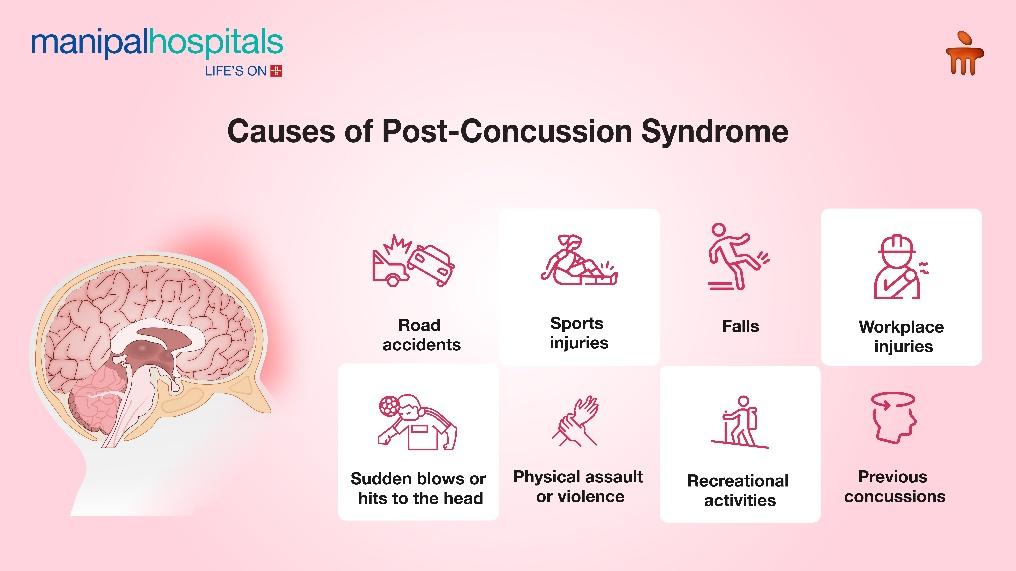
PCS can develop after any injury that affects the brain, even if the injury seems mild at first. Common causes include:
-
Road accidents – A sudden impact during a car or bike accident can cause the brain to move inside the skull, leading to a concussion.
-
Sports injuries – Contact sports like football, cricket, boxing, or cycling can increase the risk of head injuries.
-
Falls – Slipping, falling from stairs, or falling during daily activities can sometimes result in a concussion.
-
Workplace injuries – Head injuries caused by accidents at construction sites, factories, or other workplaces may lead to PCS.
-
Sudden blows or hits to the head – Any direct hit to the head during fights, accidents, or physical activities can affect brain function.
-
Physical assault or violence – Injuries caused by physical attacks may also result in prolonged concussion symptoms.
-
Recreational activities – Activities like skating, horse riding, or adventure sports can sometimes lead to head trauma.
-
Previous concussions – People who have had concussions in the past may have a higher chance of developing PCS after another head injury.
Common Symptoms of Post-Concussion Syndrome
Symptoms of PCS may start immediately after the injury or appear a few days later. The severity and duration of symptoms can vary from person to person.
Some of the most common symptoms include:
-
Persistent headaches – Frequent headaches or a feeling of pressure in the head that may continue for weeks.
-
Dizziness and balance problems – Feeling unsteady, lightheaded, or having difficulty maintaining balance while walking or standing.
-
Fatigue – Constant tiredness or low energy, even after getting enough rest or sleep.
-
Difficulty concentrating – Trouble focusing on work, studies, conversations, or daily tasks.
-
Memory problems – Forgetting recent events or appointments or finding it hard to remember information.
-
Blurred vision and sensitivity to light – Vision may become unclear, and bright lights or screens may feel uncomfortable.
-
Mood changes and irritability – Feeling anxious, emotional, easily irritated, or experiencing sudden mood swings.
When Should You See a Doctor?
You should seek medical attention if symptoms continue for more than a few days after a concussion.
Immediate medical care is needed if you experience:
-
Loss of consciousness
-
Severe headache
-
Weakness in arms or legs
-
Confusion that worsens
-
Seizures
-
Difficulty speaking
-
Rehabilitation.
Treatment for Post-Concussion Syndrome
Treatment for Post-Concussion Syndrome (PCS) depends on the symptoms and how severe they are. Most people recover gradually with proper care, rest, and rehabilitation.
Physical and Mental Rest
-
Rest is important to help the brain heal. Patients are usually advised to:
-
Limit screen time and mobile usage
-
Take breaks from work or mentally stressful activities
-
Get enough sleep and rest
-
Avoid heavy exercise in the early stages
Doctors generally recommend slowly returning to normal daily activities instead of complete bed rest for long periods.
Managing Headaches
Headaches are one of the most common symptoms of PCS. Treatment may include pain-relief medicines, proper hydration, regular sleep, and stress management. Avoiding triggers like bright lights, loud noises, or lack of sleep can also help reduce headaches.
Therapy for Dizziness and Balance Problems
Some people may feel dizzy or unsteady while walking or moving. Vestibular rehabilitation therapy includes special exercises that help improve balance, coordination, and motion sensitivity.
Cognitive and Memory Support
PCS can affect concentration, memory, and thinking ability. Cognitive rehabilitation therapy helps improve focus, memory skills, and mental processing. Following simple routines and reducing distractions may also support recovery.
Emotional Support
Long-lasting symptoms can sometimes cause stress, anxiety, irritability, or mood changes. Counselling, relaxation techniques, and psychological support can help patients cope better during recovery.
Recovery Timeline
Recovery time varies from person to person. Some people recover within a few weeks, while others may take several months. Early treatment, proper rest, and following medical advice can help improve recovery and allow patients to gradually return to normal activities.
Tips for Faster Recovery
You can support recovery by:
-
Following your doctor’s advice
-
Sleeping well
-
Staying hydrated
-
Avoiding alcohol and smoking
-
Limiting screen exposure
-
Returning slowly to work or sports
-
Managing stress levels
Conclusion
Post-concussion syndrome is a condition where recovery after a head injury takes longer than usual. Although the symptoms can be uncomfortable and affect daily life, most people improve gradually with proper rest, treatment, and support. Early medical care, following doctor’s advice, and making small lifestyle changes can greatly help in recovery. With time and the right management, patients can return to their normal routine and lead a healthy life.
At Manipal Hospitals, our specialists in the Department of Neurology provide expert evaluation and treatment for post-concussion syndrome and other head injury-related conditions. With a focus on early diagnosis, symptom management, and rehabilitation support, we offer personalised care plans to help patients recover faster, improve brain function, and enhance quality of life.
FAQ's
Symptoms may last for weeks or months. Most people improve gradually with proper care and treatment.
Yes. It may affect concentration, mood, sleep, and work performance temporarily.
Most cases improve over time, but persistent symptoms should always be evaluated by a doctor.
Yes. Children and teenagers can also experience prolonged concussion symptoms and may need medical evaluation.
Short-term rest is important, but doctors usually recommend gradually returning to normal activities under supervision.
Share this article on:






