6 Min Read
The skeletal system, our body's framework, can sometimes be affected by serious conditions that cause pain and concern. When discussing malignancies related to bones, two terms frequently arise: bone cancer and bone metastasis. While both involve cancerous cells in bone tissue, they are fundamentally different in their origin and implications. Navigating these distinctions is crucial for accurate diagnosis, effective bone cancer treatment, and patient understanding. Our cancer care specialists in Delhi believe in empowering patients with clear, concise information to help them make informed health decisions.
Let's delve into the core differences between primary bone cancer and bone metastasis, ensuring every patient understands their unique characteristics.
Synopsis
Understanding Primary Bone Cancer
Primary bone cancer, also known as bone sarcoma, is a relatively rare form of cancer that originates directly in the bone cells or the tissues that form bones, such as cartilage. Unlike cancers that spread to the bone from other parts of the body, primary bone cancer begins its journey within the bone itself.
What is Primary Bone Cancer?
Primary bone cancer can arise from various types of bone cells and tissues. The exact bone cancer causes are often unknown, but certain factors can increase risk, including genetic syndromes, previous radiation exposure, and specific bone conditions like Paget's disease. While it can occur at any age, some types are more common in children and young adults.
-
Osteosarcoma: The most common type, originating in bone-forming cells, is often seen in children and adolescents.
-
Chondrosarcoma: Arises from cartilage-forming cells, typically affecting adults over 40.
-
Ewing Sarcoma: Affects bone or soft tissue, common in children and young adults.
Identifying Bone Cancer Symptoms
Recognising the early signs of primary bone cancer is vital for prompt intervention. The symptoms can sometimes be subtle, making early detection a challenge. However, persistent and worsening symptoms should never be ignored.
-
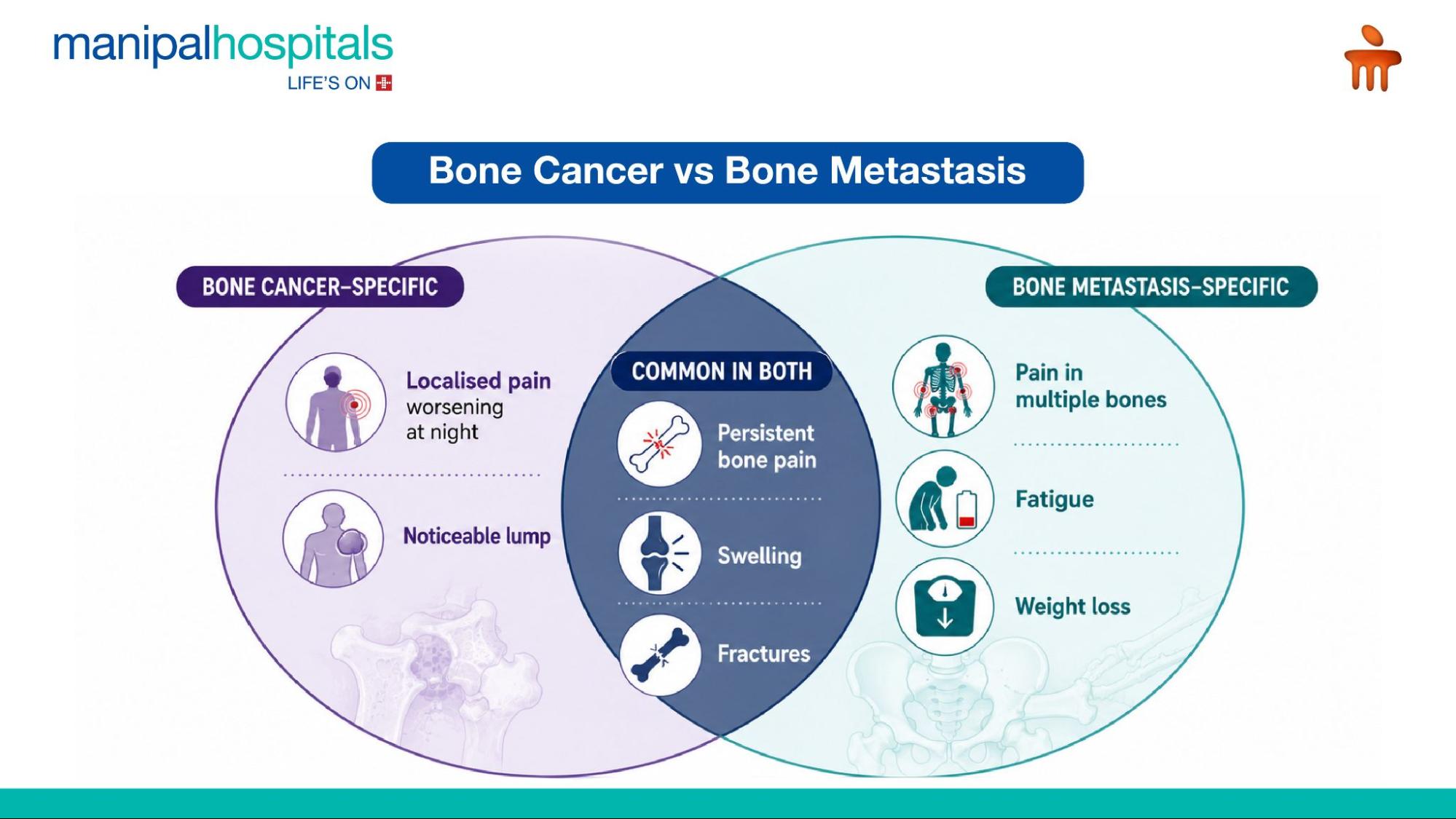
Persistent Bone Pain: This is the most common symptom. It can be dull or aching, often worse at night or with activity, and may not be relieved by rest or over-the-counter pain medication.
-
Swelling or Tenderness: A noticeable lump or swelling may appear near the affected bone, which might be tender to the touch.
-
Unexplained Fractures: Bones weakened by cancer can fracture more easily, sometimes even from minor trauma.
-
Limited Movement: If the tumour is near a joint, it can restrict movement or cause stiffness.
-
Fatigue and Weight Loss: General symptoms like unexplained fatigue, fever, and unintentional weight loss can also occur, especially in more advanced stages.
When patients present with these concerns, our oncologists in Delhi, employs advanced diagnostic tools to pinpoint the cause.
Early Diagnosis and Bone Cancer Treatment
Early diagnosis is a cornerstone of successful bone cancer treatment. Prompt medical evaluation can significantly improve outcomes. We are proud to share that with timely intervention and comprehensive care, many forms of primary bone cancer have remarkable success rates. For instance, localised osteosarcoma, when diagnosed and treated early, sees survival rates exceeding 70% in many cases, thanks to modern therapeutic approaches.
Treatment typically involves a combination of surgery to remove the tumour, chemotherapy, and sometimes radiation therapy. The specific approach is tailored to the individual patient by a multidisciplinary team, including our expert oncologists in Delhi.
Decoding Bone Metastasis
Bone metastasis, also known as secondary bone cancer, is far more common than primary bone cancer. This condition occurs when cancer cells from a primary tumour located elsewhere in the body (such as breast, prostate, lung, kidney, or thyroid) travel through the bloodstream or lymphatic system and establish new tumours in the bones.
What is Bone Metastasis?
Bone metastasis causes include any advanced cancer that has the potential to spread. It signifies that the original cancer has progressed beyond its initial site. While it's a serious development, advancements in treatment mean that bone metastases can often be managed effectively to control pain, prevent complications, and maintain a good quality of life.
Common primary cancers that frequently metastasise to bone include:
-
Prostate cancer
-
Lung cancer
-
Kidney cancer
-
Thyroid cancer
Recognising Bone Metastasis Symptoms
The symptoms of bone metastasis often mirror those of primary bone cancer, but they can also present alongside symptoms of the original cancer. Patients with a history of cancer must be vigilant for these signs:
-
Bone Pain: Similar to primary bone cancer, persistent pain in the bones is the most common symptom. It can be localised and often worsens over time.
-
Fractures: Weakened bones are prone to pathological fractures, occurring with minimal or no trauma.
-
Spinal Cord Compression: If metastases affect the spine, it can compress the spinal cord, leading to back pain, numbness, weakness, or even paralysis in the legs. This is a medical emergency.
-
Hypercalcemia: The destruction of bone tissue can release high levels of calcium into the blood, leading to symptoms like nausea, vomiting, constipation, excessive thirst, confusion, and fatigue.
-
Neurological Symptoms: Depending on the location, nerve compression can cause tingling, numbness, or weakness in limbs.
Many patients describe their journey as "How I found out I had bone cancer" when they actually refer to bone metastasis, highlighting the critical need for clear patient education on these distinctions.
Management and Care for Bone Metastasis
The goal of managing bone metastasis is primarily to control symptoms, prevent complications like fractures, and improve the patient's quality of life. Treatment strategies depend on the primary cancer type, the extent of metastasis, and the patient's overall health. Options include:
-
Systemic Therapies: Chemotherapy, hormone therapy, targeted therapy, or immunotherapy for the primary cancer can also help control bone metastases.
-
Radiation Therapy: Highly effective in reducing pain and preventing fractures in affected bones.
-
Bone-Modifying Agents: Medications that help strengthen bones and reduce the risk of fractures and hypercalcemia.
-
Pain Management: A combination of medications and interventional procedures to alleviate pain.
-
Surgery: To stabilise bones at risk of fracture or repair existing fractures.
Our expert oncologists in Delhi work collaboratively with orthopaedic surgeons and pain management specialists to develop a comprehensive, personalised care plan for each patient, focusing on comfort and functional independence. With advancements, many patients with bone metastasis can maintain a high quality of life for extended periods, with some treatments showing over 80% effectiveness in pain control.
Key Distinctions: Bone Cancer vs. Bone Metastasis
Understanding these fundamental differences is key to proper diagnosis and treatment:
Origin:
-
Primary Bone Cancer: Starts in the bone cells.
-
Bone Metastasis: Starts elsewhere in the body and spreads to the bone.
Prevalence:
-
Primary Bone Cancer: Rare.
-
Bone Metastasis: Much more common, especially in patients with advanced cancers.
Nomenclature:
-
Primary Bone Cancer: Named after the type of cell it originates from (e.g., osteosarcoma).
-
Bone Metastasis: Named after the primary cancer (e.g., metastatic breast cancer to bone).
Treatment Focus:
-
Primary Bone Cancer: Aims for cure, often involving aggressive local and systemic treatments.
-
Bone Metastasis: Focuses on controlling the disease, managing symptoms, preventing complications, and improving quality of life.
Understanding the difference between primary bone cancer and bone metastasis is a critical step in managing bone health. While these conditions present unique challenges, the good news is that medical advancements offer various effective treatment and management strategies. Early detection and expert care remain paramount for the best possible outcomes.
If you or a loved one is experiencing symptoms suggestive of bone pain or potential malignancy, prompt evaluation is vital. Connect with our dedicated team of oncologists in Delhi today for a comprehensive assessment.
FAQ's
While a complete cure for bone metastasis is rare, it is often highly treatable. The goal is to control the disease, manage symptoms, prevent complications, and maintain a good quality of life for as long as possible. Advancements in therapies have significantly extended life expectancy for many patients.
The most common initial symptom for both primary bone cancer and bone metastasis is persistent, unexplained bone pain. This pain often worsens at night or with activity and is not relieved by rest or standard pain relievers. Other early signs can include swelling or a palpable lump near the affected bone.
Diagnosis typically involves a combination of imaging tests (X-rays, MRI, CT scans, bone scans, PET scans), blood tests, and crucially, a biopsy of the suspicious area. A biopsy is essential to confirm the presence of cancer cells and determine if it's primary bone cancer or metastasis.
Most bone metastases cause some degree of pain, especially as they grow and weaken the bone. However, some smaller metastases might be asymptomatic initially and only discovered incidentally during imaging for other reasons. Effective pain management is a key aspect of treatment.
Recovery time varies greatly depending on the type and stage of cancer, the specific treatments received (e.g., surgery, chemotherapy, radiation), and individual patient factors. It can range from several months to a year or more, often involving rehabilitation to regain strength and function.
Share this article on: