7 Min Read
Most people don’t usually think about the bacteria living inside their gut, but these tiny organisms quietly control many important functions like digestion, immunity, and even energy levels. Now imagine what happens when this balance gets disturbed after repeated infections or heavy antibiotic use. Digestion becomes weak, symptoms keep coming back, and medicines stop working the way they should.
In such situations, doctors may suggest a unique treatment called a faecal transplant, which helps “reset” the gut with healthy bacteria. Let’s understand what it is, why it is done, and how it helps the body recover.
Synopsis
What Is Fecal Transplant?
Fecal Microbiota Transplant (FMT), commonly called fecal transplant, is a medical procedure in which healthy bacteria from a screened donor’s stool are transferred into a patient’s intestine.
The aim is to restore healthy gut bacteria when the natural balance has been lost. The gut normally contains good and bad bacteria. When harmful bacteria take over, it can lead to repeated infections and digestive problems. Fecal transplant helps bring back the healthy bacteria so the gut can function normally again.
Common Causes of Fecal Transplant
The need for fecal transplant usually arises when the gut microbiome becomes unbalanced. This can happen due to:
-
Repeated antibiotics use: Kills good gut bacteria along with bad ones, disturbing balance.
-
Clostridioides difficile infection: A strong gut infection that keeps coming back and damages healthy bacteria.
-
Weak immunity: Body cannot control harmful bacteria properly.
-
Long hospital stays: Exposure to strong medicines and infections affects gut health.
-
Poor fibre diet: Less fibre means fewer good bacteria in the gut.
-
Chronic digestive issues: Long-term stomach problems disturb gut balance.
-
Certain medicines: Some drugs reduce healthy gut bacteria.
Symptoms of Fecal Transplant
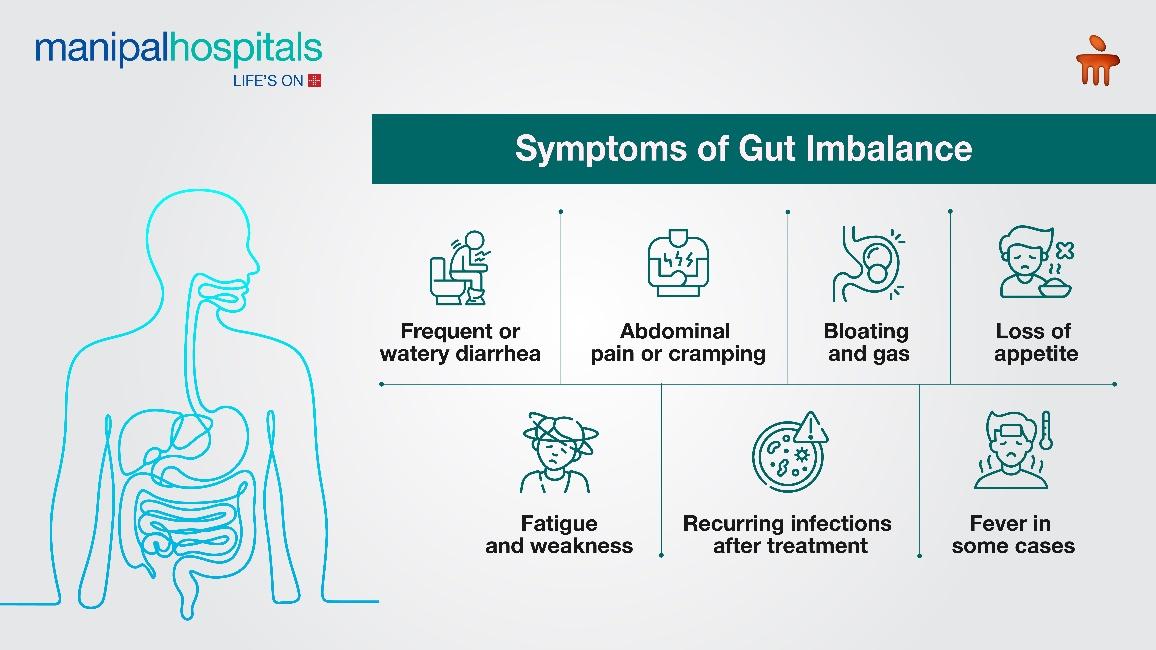
People with severe gut imbalance or recurring infections may experience:
-
Frequent or watery diarrhea: Loose stools happening many times a day
-
Abdominal pain or cramping: Pain or tight feeling in the stomach
-
Bloating and gas: Feeling of fullness and excess gas in the stomach
-
Loss of appetite: Not feeling hungry or eating less than usual
-
Fatigue and weakness: Feeling tired and low on energy
-
Fever in some cases: Mild rise in body temperature during infection
-
Recurring infections: Symptoms keep coming back even after treatment
When to See a Doctor
You should consult a doctor if you notice:
-
Diarrhea lasting more than a few days
-
Repeated digestive infections
-
Symptoms returning after antibiotic treatment
-
Severe stomach pain or dehydration
-
Unexplained weakness along with gut issues
Immediate medical attention is important if diarrhea becomes severe or persistent, as it may lead to dehydration and complications.
Treatment for Fecal Transplant
Fecal transplant is performed in a controlled medical setting. The process includes:
1. Donor screening
A healthy donor is selected after detailed testing to ensure they are free from infections and diseases.
2. Preparation of stool sample
The donor stool is processed in a sterile lab and mixed with a safe solution to isolate healthy bacteria.
3. Transfer into the patient
The prepared sample is introduced into the patient’s intestine using one of the following methods:
-
Colonoscopy (most common method)
-
Nasal or gastric tube
-
Capsules containing processed bacteria (in modern cases)
4. Restoration phase
Once inside, healthy bacteria start growing and restoring balance in the gut microbiome.
5. Recovery
Patients are observed for a short period. Most people start noticing improvement within a few days to weeks.
Benefits of Fecal Transplant
Helps treat recurrent Clostridioides difficile infections effectively
-
Restores natural gut bacterial balance
-
Reduces repeated antibiotic use
-
Improves digestion and bowel function
-
Helps reduce recurrence of infection
-
Supports overall gut health recovery
Conclusion
Fecal microbiota transplant may sound unusual, but it is a medically proven treatment that helps restore balance in the gut when normal treatments fail. By replacing harmful bacteria with healthy ones, it supports the intestine in regaining its natural function and improving digestion. This procedure is mainly used for recurrent gut infections, especially when antibiotics are no longer effective. With proper medical evaluation and care, fecal transplant can be a safe and effective option for improving gut health and reducing repeated infections. If you are experiencing ongoing digestive problems, consulting a gastroenterologist at the right time can help ensure timely diagnosis and the right treatment approach.
At Manipal Hospitals, our experts in the Department of Gastroenterology provide advanced care in Fecal Microbiota Transplant (FMT) for patients with complex and recurrent gut infections, especially those not responding to standard treatments. With a strong focus on accurate diagnosis, strict donor screening, and evidence-based procedures, we ensure safe and effective restoration of healthy gut bacteria. Our multidisciplinary team follows globally accepted protocols to deliver personalized treatment plans, aiming to improve digestive health, reduce infection recurrence, and enhance overall quality of life for our patients.
FAQ's
A fecal transplant is a medical procedure where healthy bacteria from a donor’s stool are transferred into a patient’s intestine to restore gut balance.
The procedure involves collecting stool from a healthy donor, processing it in a lab, and transferring it into the patient’s gut through colonoscopy, a tube, or capsules.
A stool transplant is another name for fecal transplant. It means transferring processed donor stool into a patient’s intestine to restore healthy bacteria.
Yes, it is generally safe when done under medical supervision with properly screened donors and sterile procedures.
Share this article on: