


 5 Min Read
A lung transplant is more than just a medical procedure; it’s a second chance at the air you’ve been fighting for. But the path from the waiting list to a full recovery is filled with myths, milestones, and plenty of questions that don't have simple answers. If you’re looking to cut through the noise and understand the real-world success rates and the post-op reality, you’re in the right place. Let’s walk through exactly what you can expect in the days, months, and years to come.
Synopsis
What is a Lung Transplant?
A lung transplant is a surgery to replace a damaged or failing lung with a healthy one from a donor. This surgery is for people with severe, late-stage lung disease when regular treatments, like medicines or oxygen therapy, are no longer helping them breathe well. The main goal is to help the patient breathe easier and enjoy a better quality of life. Because this is a major procedure, it is important for patients and their families to understand the process and the long-term commitment it requires.
Why Do People Need a Lung Transplant?
Doctors consider a lung transplant when the lungs have suffered permanent damage that cannot be fixed with other medical treatments. According to experts, the most common reasons include:
-
COPD (Chronic Obstructive Pulmonary Disease): This includes conditions like emphysema, which cause progressive damage to the lung’s air sacs, making it hard to push air out.
-
Pulmonary Fibrosis: This happens when the lung tissue gets scarred and stiff, making it difficult for the lungs to expand and take in air.
-
Cystic Fibrosis: A genetic condition that causes thick, sticky mucus to build up in the lungs, leading to repeated infections and damage.
-
Pulmonary Hypertension: High blood pressure in the arteries of the lungs, which puts a dangerous amount of strain on the heart.
-
Other Conditions: This may include chronic infections or other lung injuries that have not responded to standard medical care.
Symptoms of Advanced Lung Disease
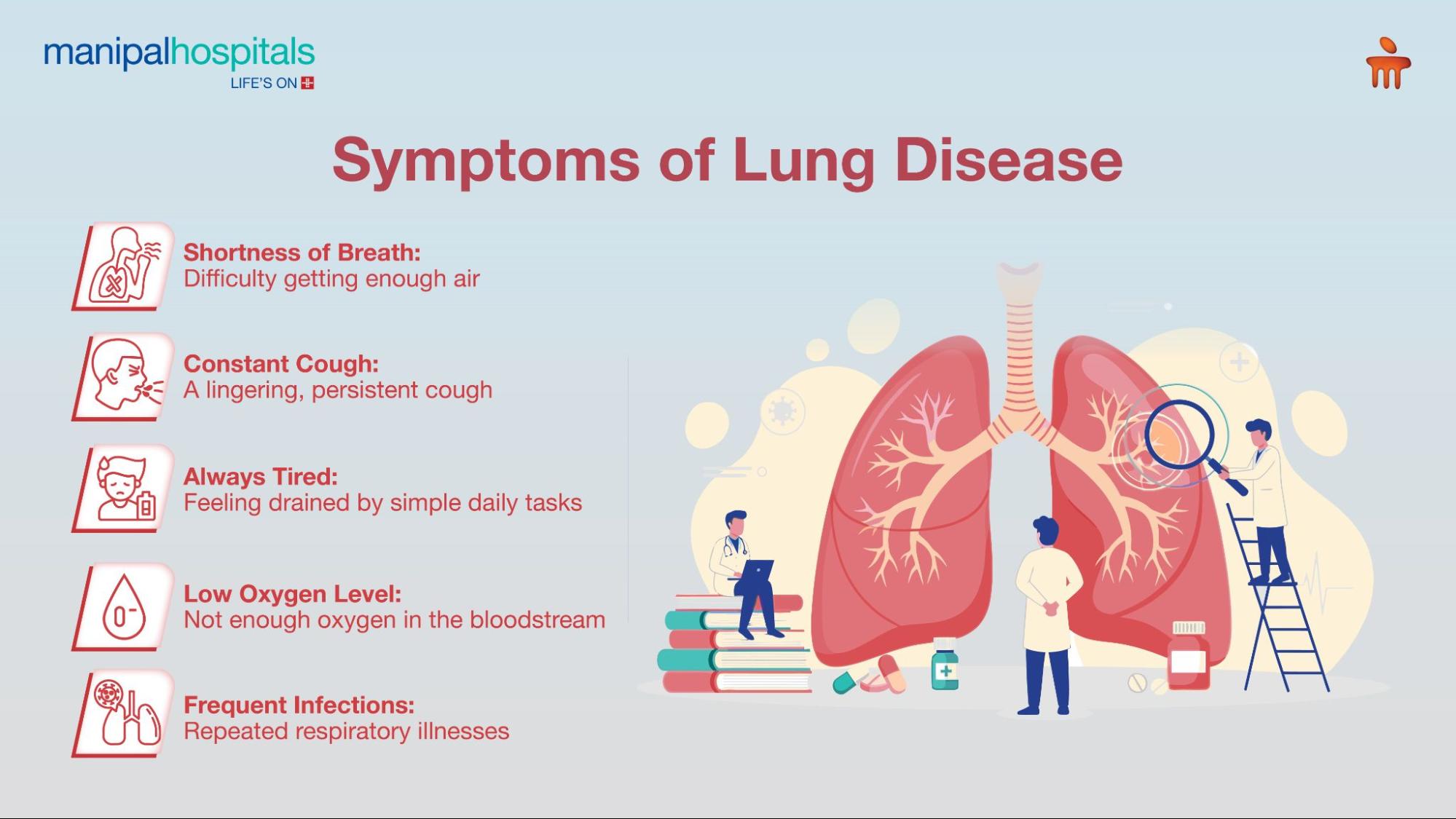
As lung function gets worse, people usually notice symptoms that get more serious over time. These include:
-
Shortness of Breath: Feeling like you cannot get enough air, even when you are resting or doing very little.
-
A constant cough: a cough that won’t go away and doesn't get better with regular medicine.
-
Trouble Staying Active: Feeling extremely tired or out of breath when doing simple daily tasks.
-
Low Oxygen Levels: When oxygen in the blood is too low, it can cause the skin, lips, or fingernails to take on a bluish tint.
-
Frequent Infections: Getting pneumonia or bronchitis over and over again, which often requires hospital care.
When to See a Doctor
If you have a lung condition, it is vital to stay in close contact with your lung specialist (pulmonologist). You should talk to your doctor about whether a transplant is an option if:
-
Inhalers, oxygen, and lung rehab programmes are not helping you breathe as well as they used to.
-
Your lung health is preventing you from doing normal daily activities.
-
You experience sudden, unexplained worsening of your breathing or chest pain or start coughing up blood.
-
A specialist suggests your current health outlook is limited without a new lung.
Treatment and What to Expect
Getting a lung transplant is a team effort that involves several steps:
-
Getting Evaluated: A medical team will check your physical health, your mental well-being, and your support system at home to make sure you are a good candidate for the surgery.
-
The Surgery: During the procedure, the surgeon removes the damaged lung and replaces it with the healthy donor lung, connecting it to your airways and blood vessels.
-
Recovery: After surgery, you will start your recovery in the intensive care unit (ICU) and then slowly move toward long-term recovery.
-
Medicine for Rejection: You will need to take special medicines every day. These stop your immune system from attacking your new lung.
-
Ongoing Care: You will have regular check-ups, breathing tests, and blood tests to make sure your new lung is healthy and to catch any problems early.
Conclusion
A lung transplant is a complex surgery, but it offers a real chance to breathe easier and live a more active life for those with severe lung disease. While it comes with challenges, modern surgical techniques and careful follow-up care have made it a life-changing option for many. Success is a partnership; by following your doctor's plan and taking care of your health, you give yourself the best chance at a successful recovery. If you or a loved one are struggling, talk to your doctor about your options to start the journey toward better respiratory health.
At Manipal Hospitals, experienced transplant specialists provide comprehensive evaluation, precise diagnosis, and advanced surgical care for patients requiring lung transplantation, ensuring improved outcomes, enhanced quality of life, and long-term respiratory health.
FAQ's
According to clinical data, outcomes vary from person to person. Roughly 55% of people who receive a lung transplant are still doing well five years after the surgery, and some live for 10 to 20 years. Your individual success depends on your age, your overall health, and the reason you needed the transplant.
There is no set "first-come, first-served" rule. The wait depends on how sick you are, your blood type, your body size, and how well you match with a donor.
The biggest risks are infections and rejection. Rejection happens when your body treats the new lung like a "foreign" object. This risk is highest in the first year, but doctors manage it closely with the medicines you will take daily.
Many people find they have much more energy and can-do things they couldn't do before. However, "normal" will include a lifelong routine of taking your medication, eating healthily, and going to regular doctor appointments to protect your new lung.
Share this article on:






