


Appointment Helpline


Tiredness, medically referred to as fatigue, is commonly experienced as a persistent feeling of exhaustion, low energy, or reduced motivation. Understanding tiredness symptoms helps determine whether fatigue is temporary or related to an underlying health condition. While occasional tiredness may occur after physical exertion, inadequate sleep, or short-term stress, recurrent or prolonged fatigue can indicate an underlying medical issue. Tiredness can affect individuals of all ages. This may range from mild, short-lived lethargy to severe fatigue that interferes with work performance, concentration, and daily activities.
Tiredness may occur as an isolated symptom or alongside general weakness, poor concentration, headaches, dizziness, irritability, or sleep disturbances. Persistent or unexplained fatigue may be associated with chronic conditions such as anaemia, thyroid disorders, diabetes, infections, or mental health conditions. Hormonal changes during pregnancy can also contribute to fatigue due to increased metabolic demands and hormonal fluctuations. In addition, fatigue is a common feature of viral illnesses, including COVID-19, as part of the body’s immune and inflammatory response.
At Manipal Hospitals, tiredness is evaluated through a structured clinical approach. Specialists assess symptoms, lifestyle factors, and medical history to identify contributing factors and guide timely, personalised management.

Consult a doctor online in just 10 minutes – anytime, anywhere!
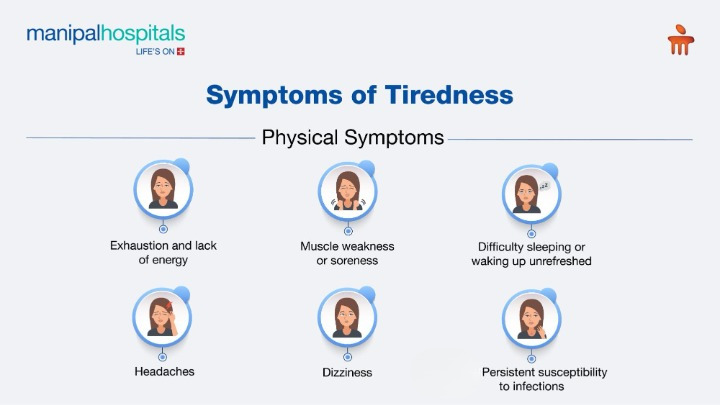
Tiredness can present differently depending on the underlying cause, duration, and an individual’s overall health status. Common symptoms include:
Persistent fatigue or a constant lack of physical energy
General weakness or reduced stamina during routine activities
Difficulty concentrating, poor mental focus, or reduced alertness
Feeling unrefreshed even after adequate sleep or rest
Headaches or episodes of light-headedness
Muscle soreness, heaviness, or generalised body aches
Irritability, low motivation, or noticeable mood changes
Brain tiredness symptoms, such as slowed thinking, forgetfulness, or memory difficulty
These symptoms may develop gradually over time or appear suddenly, depending on the health condition involved. Tiredness can interfere with work productivity, daily responsibilities, and overall quality of life if left unaddressed. When fatigue persists for more than a short period, worsens progressively, or does not improve despite adequate rest and healthy lifestyle changes, medical evaluation is recommended. Early assessment helps identify possible medical, psychological, or lifestyle-related causes.
Symptoms of tiredness and weakness may result from a wide range of lifestyle factors or medical conditions. Identifying the cause is essential for effective treatment. Common causes include:
Inadequate or poor-quality sleep, leading to insufficient physical and mental recovery
Physical inactivity or, conversely, overexertion without adequate rest
Poor nutrition or dehydration, which reduces energy production in the body
Chronic stress or prolonged emotional strain that exhausts energy reserves
Anaemia, where reduced red blood cell levels limit oxygen delivery to tissues
Thyroid disorders that disrupt normal metabolism and energy balance
Diabetes and other chronic illnesses that affect energy utilisation
Infections, including viral illnesses, which trigger fatigue as part of the immune response
Mental health conditions, such as depression or anxiety, present with persistent fatigue
Sleep disorders like sleep apnoea that cause fragmented sleep and daytime tiredness
Addressing the root problem supports effective treatment, restores energy levels, and improves overall health and quality of life.
Diagnosis of tiredness involves a comprehensive medical evaluation to identify physical, metabolic, or psychological causes contributing to persistent fatigue. At Manipal Hospitals, doctors follow a structured, patient-centred approach that includes:
Symptom review: Assessment of duration, severity, pattern, and progression of tiredness, and its impact on daily activities, work performance, and concentration
Lifestyle assessment: Evaluation of sleep quality and duration, dietary habits, hydration, physical activity levels, and ongoing stress exposure
Medical history review: Identification of chronic illnesses, recent infections, mental health concerns, and current or long-term medication use
Physical examination: Screening for signs of anaemia, thyroid disorders, infections, nutritional deficiencies, or other systemic conditions
Laboratory investigations: Blood tests to evaluate haemoglobin levels, thyroid function, blood sugar, vitamin deficiencies, and markers of infection or inflammation
Targeted testing: Sleep studies for suspected sleep disorders such as sleep apnoea
Additional investigations: Imaging or specialised tests when clinically indicated
This systematic diagnostic approach helps identify the root cause of tiredness rather than only managing symptoms. Accurate diagnosis enables targeted treatment, early intervention for underlying conditions, and supports long-term recovery of energy levels and overall well-being.
Weakness and tiredness are treated depending on the underlying cause, symptom severity, and overall health status. Management focuses on restoring energy levels, improving daily functioning, and addressing contributing factors. Common treatment options include:
Lifestyle modifications like improving sleep hygiene, maintaining a balanced diet, staying hydrated, and establishing regular routines
Treatment of underlying medical conditions, such as anaemia, thyroid disorders, diabetes, or infections that contribute to fatigue
Stress management, including psychological counselling, relaxation techniques, and mindfulness practices, reduces emotional strain
Mental health support, including therapy or medical treatment for depression, anxiety, or burnout-related fatigue
Medications or supplements are used when deficiencies or specific medical conditions are identified
Sleep therapy for diagnosed sleep disorders such as sleep apnoea
Gradual physical activity, including structured exercise programmes to rebuild stamina and improve energy levels
Early diagnosis and appropriate treatment help prevent persistent fatigue, restore physical and mental energy, and significantly improve overall quality of life.
For mild tiredness, supportive home-care measures can help improve energy levels and support overall well-being. These measures are most effective when practised consistently and alongside healthy daily habits. Common home-care strategies include:
Maintaining a regular sleep schedule: Going to bed and waking up at the same time each day helps regulate the body’s internal clock.
Staying hydrated throughout the day: Adequate fluid intake helps prevent dehydration-related fatigue.
Eating balanced, nutrient-rich meals: A diet rich in fruits, vegetables, whole grains, and protein supports sustained energy levels.
Engaging in light to moderate physical activity: Activities such as walking or stretching help improve circulation and stamina.
Limiting caffeine and alcohol intake: Reducing consumption helps improve sleep quality and decrease tiredness.
Practising relaxation techniques: Methods such as meditation, deep breathing, or gentle yoga help reduce stress and mental fatigue.
While these home remedies can support recovery and improve day-to-day energy, they should not replace medical evaluation.
Tiredness symptoms include persistent fatigue, general weakness, difficulty concentrating, poor sleep quality, headaches, and reduced motivation. When these symptoms persist for a prolonged period or interfere with daily activities, medical evaluation is recommended to identify possible causes.
Yes. Tiredness can occur during or after COVID-19 due to ongoing inflammation and the body’s immune response. Some individuals experience prolonged fatigue even after recovery. Persistent or worsening tiredness should be medically assessed to rule out complications and support appropriate management.
Yes. Hormonal changes and increased energy demands make a woman tired during pregnancy, especially in the early stages. Fatigue usually improves as pregnancy progresses, but persistent or severe tiredness should be medically evaluated to rule out anaemia or other concerns.
Medical evaluation is advised if fatigue lasts longer than two weeks, progressively worsens, or interferes with daily functioning and work performance. Early assessment helps identify underlying medical, psychological, or lifestyle-related causes and ensures timely treatment to prevent ongoing health complications.
Tiredness symptoms can be prevented by maintaining adequate sleep, following a balanced and nutritious diet, and managing stress effectively. Additionally, engaging in regular physical activity, staying hydrated, and seeking timely medical care to address health issues before they lead to persistent fatigue.



Visit the Global site for International patient services


