7 Min Read
Lymphoma is a group of blood cancers that develop in the lymphatic system, A vital part of your body's immune defence. When people hear the word "cancer," it is natural to feel anxious and concerned. However, when it comes to lymphoma, there is a message of hope: it is often highly treatable and, in many cases, curable, especially when diagnosed early.
At Manipal Hospitals, we believe that understanding your condition is the first step toward effective management and recovery. In this blog, we explore what lymphoma is, how serious it is, and why timely intervention matters.
Synopsis
What is Lymphoma?
Lymphoma occurs when lymphocytes, a type of white blood cell that helps fight infection and undergo a change (mutation) and begin to multiply uncontrollably. These abnormal cells can accumulate in your lymph nodes or other tissues, interfering with your body’s ability to defend itself against illness.
There are two primary categories of lymphoma:
-
Hodgkin Lymphoma: Often characterised by the presence of specific abnormal cells called Reed-Sternberg cells. It is generally considered one of the most curable forms of cancer.
-
Non-Hodgkin Lymphoma (NHL): This is a broader, more common category that includes many different subtypes, which can behave differently and require varied treatment approaches.
How Serious Is It?
It is important to understand that "seriousness" is subjective in medical terms. Lymphoma varies significantly from person to person. Some types are indolent (slow-growing) and may require only active monitoring for a period, while others are aggressive (fast-growing) and require immediate, intensive treatment.
The good news? Medical advancements have revolutionised lymphoma care. Because researchers and oncologists have a deeper understanding of the genetic and molecular drivers of these cancers, survival rates have improved dramatically. Many patients achieve long-term remission, meaning they are free of symptoms and signs of the cancer.
Factors That Influence Severity
The seriousness of lymphoma can vary from person to person. Several key factors help doctors understand how the disease may progress and how well it might respond to treatment:
-
Age and Overall Health: Younger patients or those in good general health often tolerate treatment better and may have improved outcomes. Existing health conditions can sometimes make treatment more challenging.
-
Type and Subtype of Lymphoma: Some lymphomas grow slowly (indolent), while others are more aggressive. The exact subtype plays a major role in determining how serious the condition is and what treatment approach is needed.
-
Stage of the Disease: This refers to how far the cancer has spread in the body. Early-stage lymphoma is usually easier to manage, while advanced stages may require more intensive treatment.
-
Response to Treatment: How well the lymphoma responds to initial therapy is a strong indicator of prognosis. Patients who respond quickly and effectively often have better long-term outcomes.
-
Presence of Symptoms: Symptoms like persistent fever, unexplained weight loss, and night sweats (often called “B symptoms”) can indicate a more active or aggressive form of lymphoma.
Each patient’s situation is unique, which is why doctors focus on personalised treatment plans tailored to individual needs and health conditions.
Recognising the Warning Signs
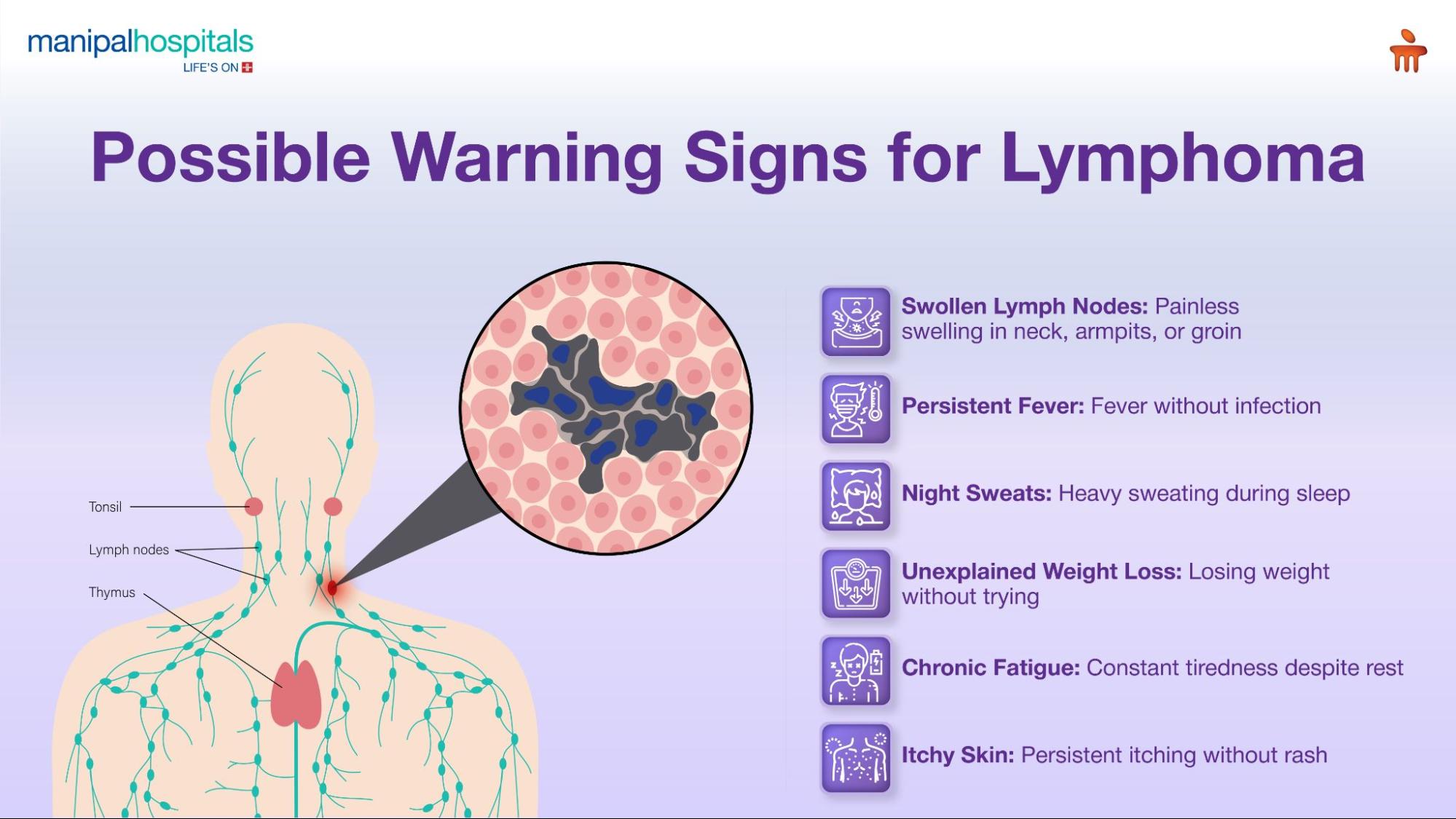
Lymphoma often presents with symptoms that can be mistaken for other common illnesses. If you notice any of the following, especially if they persist, it is crucial to consult a healthcare professional:
-
Swollen Lymph Nodes: Typically, painless lumps, often felt in the neck, armpits, or groin.
-
Persistent Fever: Unexplained fevers that occur without an obvious infection.
-
Drenching Night Sweats: Sweating excessively during sleep, even in a cool room.
-
Unexplained Weight Loss: Losing weight without trying.
-
Chronic Fatigue: Persistent tiredness that does not improve with rest.
-
Itchy Skin: Generalized or localized itching without a rash.
The Path to Diagnosis and Treatment
If your doctor suspects lymphoma, they will guide you through a step-by-step diagnostic process designed to give clear answers. This may include physical exams, blood tests, imaging scans, and sometimes a biopsy to confirm the diagnosis.
While this process can feel overwhelming, you are not expected to handle it on your own. A team of specialists, including oncologists, radiologists, and pathologists works together to ensure an accurate diagnosis and create a treatment plan tailored specifically to you.
With the right medical support and timely care, patients can move forward with clarity, confidence, and access to effective treatment options.
Diagnosis
A confirmed diagnosis of lymphoma usually requires a biopsy, where a small sample of tissue, often from an enlarged lymph node is removed and examined under a microscope. This helps doctors identify the exact type of lymphoma.
To understand how far the disease has spread, imaging tests such as CT scans, MRI, or PET scans are commonly used. These scans provide detailed images of the body and help determine the stage of the cancer.
In addition, blood tests are performed to check your overall health, including how well your organs are functioning and how the body is responding. Together, these tests give doctors a complete picture, allowing them to plan the most effective treatment approach.
The definitive diagnosis usually involves a biopsy (taking a small sample of the lymph node).
Treatment Options
Treatment for lymphoma is tailored to each patient based on the type of lymphoma, its stage, and overall health. Your oncology team will recommend the most suitable approach to achieve the best possible outcome.
-
Chemotherapy: This is one of the most common treatments, using powerful medications to destroy cancer cells throughout the body. It is often given in cycles to maximize effectiveness while allowing the body time to recover.
-
Radiation Therapy: This treatment uses high-energy rays to target and kill cancer cells in specific areas. It is often used in early-stage lymphoma or alongside other treatments.
-
Immunotherapy: These treatments boost or modify your immune system so it can better recognize and attack lymphoma cells. It is a more targeted approach with promising results in many cases.
-
Targeted Therapy: Unlike chemotherapy, targeted therapy focuses on specific abnormalities in cancer cells, helping to block their growth while minimizing damage to healthy cells.
-
Stem Cell/Bone Marrow Transplant: In certain cases, especially when lymphoma returns or is aggressive, a transplant may be recommended. This procedure replaces damaged bone marrow with healthy stem cells to help rebuild the body’s ability to produce normal blood cells.
Conclusion
A diagnosis of lymphoma is undoubtedly a life-changing event, but it is not the end of the road. Modern oncology has transformed this diagnosis into a manageable and often curable health journey. The most critical factor is early detection. By listening to your body and seeking expert medical advice the moment you notice unusual changes, you give yourself the best possible chance at a positive outcome.
At Manipal Hospitals, experienced oncology specialists provide comprehensive evaluation, accurate diagnosis, and advanced treatment for lymphoma cancer, ensuring personalised care, better outcomes, and improved quality of life for patients.
FAQ's
Swollen painless lymph nodes, fever, night sweats, weight loss, fatigue, and itching.
Yes. Many types are treatable, and some (like Hodgkin lymphoma) are often curable.
Hodgkin lymphoma and Non-Hodgkin lymphoma.
A type of lymphoma with Reed-Sternberg cells, usually highly treatable.
A group of many lymph cancers that can be slow or fast growing.
Exact cause is unknown, but risks include weak immunity, infections, and age.
Share this article on: