7 Min Read
Often referred to as the "golden period" of pregnancy, the second trimester of pregnancy is a time when many expectant mothers experience a welcome surge of energy, a decrease in early morning sickness, and the exciting arrival of a visible baby bump. Spanning from week 14 through week 27, this middle phase brings incredible developmental milestones, including the thrilling sensation of your baby’s very first kicks.
While the intense fatigue and nausea of early months fade, the second trimester introduces its own unique physical changes. From understanding vaginal discharge during second trimester weeks to addressing concerns like why am I losing weight during pregnancy 2nd trimester, staying informed helps you navigate this phase with confidence.
This comprehensive guide covers everything you need to know about when this phase begins, common symptoms, reassuring signs your pregnancy is going well in the second trimester, and answers to frequently asked questions.
Synopsis
When Does Second Trimester Start?
A common question among expectant parents is, when does the second trimester start?
The second trimester officially begins at week 14 of pregnancy and continues through the end of week 27 (roughly spanning months 4, 5, and 6).
How It Differs From Earlier Phases
In contrast to second month pregnancy symptoms, which occur during the first trimester (weeks 5 through 8) and are often dominated by severe nausea, acute exhaustion, tender breasts, and heightened mood swings, the second trimester brings hormonal stabilisation. As the placenta takes over hormone production, morning sickness generally recedes, making way for improved appetite and heightened vitality.
What Happens to Your Body and Baby?
During these 14 weeks, your baby undergoes astonishing growth, developing from the size of an orange to that of a head of cauliflower.
Key Fetal Developmental Milestones
- Weeks 14–17: The baby’s hair pattern forms, bones continue to harden, and organ systems become more sophisticated. The baby can now make facial expressions and suck their thumb.
- Weeks 18–22: You will likely feel initial movements (known as quickening). The baby develops lanugo (fine body hair) and vernix caseosa (a protective waxy coating over the skin).
- Weeks 23–27: Brain activity surges, taste buds form, lung air sacs develop, and the baby opens their eyes and responds to external sounds and light.
Common Second Trimester Symptoms and Management
While generally more comfortable than the first trimester, the second trimester introduces distinct physical adjustments as your uterus expands outward and upward.
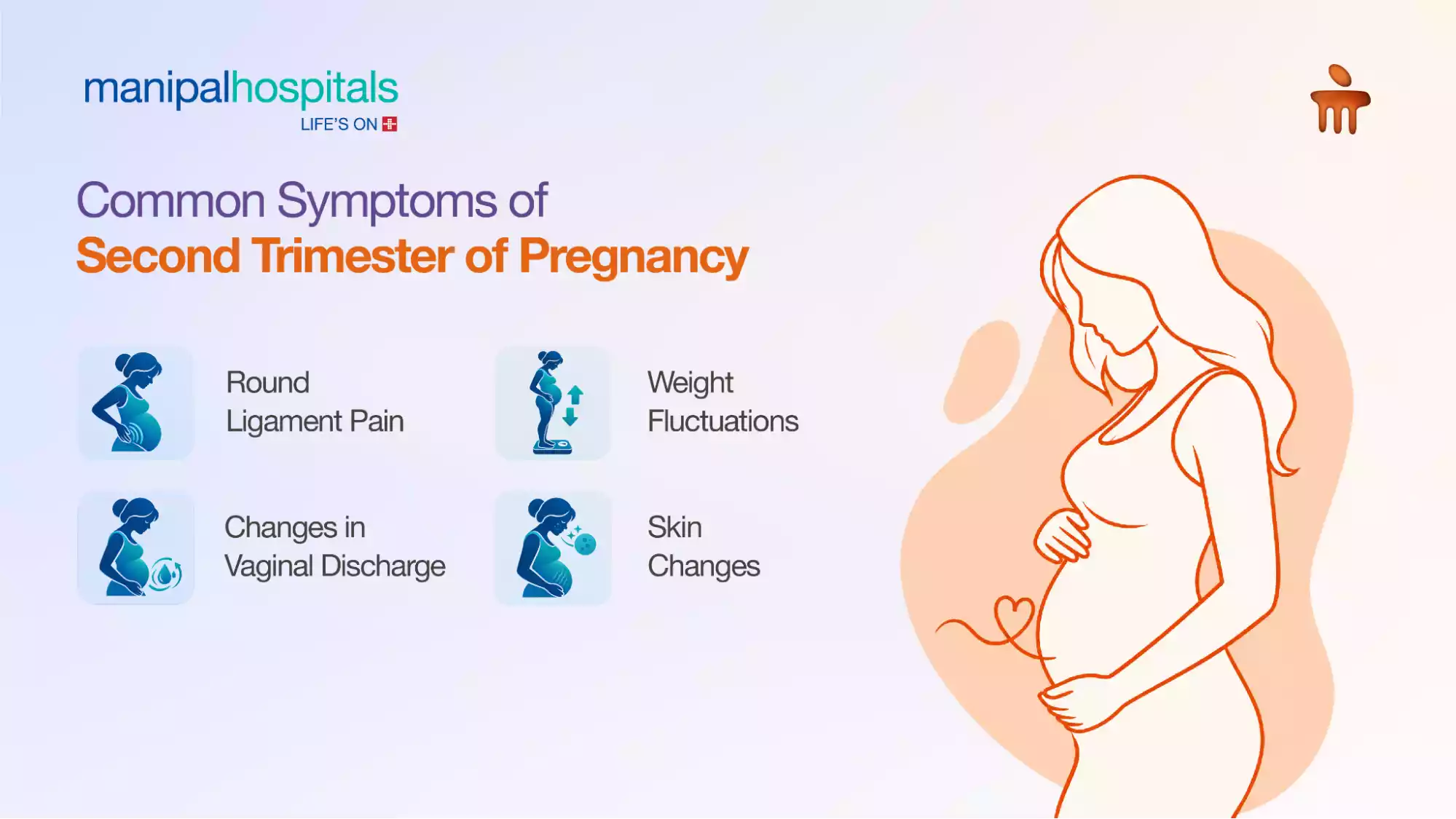
Changes in Vaginal Discharge
Noticing an increase in vaginal discharge during the second trimester weeks is completely normal. Estrogen surges and increased pelvic blood flow stimulate the cervix and vagina to produce higher amounts of leukorrhea—a thin, clear or milky-white, mild-smelling discharge.
- Purpose: This discharge cleanses the vaginal canal and prevents bacterial infections from travelling upward into the uterus.
- When to Consult a Doctor: If discharge becomes clumpy/white (yeast infection indicator), foul-smelling, greenish-yellow, or is accompanied by burning, itching, or watery fluid leaks, contact your healthcare provider.
Weight Fluctuations: Why Am I Losing Weight During Pregnancy in the 2nd Trimester?
Weight gain is expected as your baby grows, but some women wonder, 'Why am I losing weight during pregnancy in the 2nd trimester?'
- Lingering Morning Sickness: If severe nausea or food aversions persisted into weeks 14–16, weight gain may lag slightly behind schedule.
- Dietary Adjustments: Transitioning from first-trimester comfort eating to a nutrient-dense, balanced diet can cause mild fat loss while fetal weight increases.
- Increased Metabolism: Your basal metabolic rate increases significantly to support tissue growth.
- When to Seek Advice: While brief weight stasis can be normal early in the trimester, losing weight consistently during weeks 18–27 requires medical evaluation to rule out conditions like hyperemesis gravidarum, gestational diabetes, or gestational hypertension.
Round Ligament Pain
As your uterus grows, the thick ligaments supporting it in your abdomen stretch and thin. This can cause sharp, sudden, or dull aching pains on one or both sides of your lower belly or groin, especially when changing positions, coughing, or standing up quickly.
- Management: Move slowly, practice gentle prenatal yoga, use a pregnancy support belt, and apply warm compresses to soothe tight pelvic muscles.
Skin Changes and "Pregnancy Glow"
Increased blood circulation gives many women a radiant complexion. However, elevated melanin levels can also cause linea nigra (a dark vertical line down the stomach) or chloasma ("mask of pregnancy"—hyperpigmentation on the face).
6 Signs Your Pregnancy is Going Well in the Second Trimester
It is natural to look for reassurance as your body changes. Here are key signs your pregnancy is going well in the second trimester:
- Consistent Fetal Movement (Quickening): Feeling flutterings, kicks, or rolls—typically starting between weeks 18 and 22—is one of the clearest signs of a thriving baby.
- Steady Fundal Height Growth: During routine prenatal checkups, your midwife or doctor measures from your pubic bone to the top of your uterus (fundal height). Consistent growth matching your gestational age confirms steady development.
- Strong Fetal Heartbeat: Hearing a strong, rhythmic heartbeat via Doppler ultrasound at checkups provides clear confirmation of fetal health.
- Normal Anatomy Ultrasound Results: The mid-pregnancy level-2 ultrasound (usually performed between weeks 18 and 22) checks baby’s anatomical structures, placenta location, and amniotic fluid levels.
- Gradual, Healthy Weight Gain: Gaining roughly 1 pound per week during the second trimester (for those starting at a normal BMI) reflects healthy growth.
- Normal Blood Pressure and Urine Screening: Stable blood pressure reading and urine tests showing no protein or elevated glucose indicate low risk for complications like preeclampsia or gestational diabetes.
Quick Guide: Second Trimester Do’s and Don’ts
|
Category |
Recommended Practices (Do's) | Things to Avoid (Don'ts) |
| Sleeping Position | Sleep on your side (preferably left side) with pillows between knees to optimise blood flow | Lie flat on your back for prolonged periods (can compress the vena cava vein) |
| Physical Activity | Maintain moderate-intensity exercises like swimming, walking, and pelvic floor strengthening | High-impact sports, contact activities, or exercises with a high risk of falling |
| Medical Screenings | Complete scheduled blood glucose tests and anatomical scans | Skip routine prenatal checkups or ignore unusual symptoms. |
| Nutrition | Increase intake of iron, calcium, and protein-rich foods to support blood volume expansion | Ignore persistent weight loss, severe thirst, or extreme fatigue |
Conclusion
The second trimester of pregnancy is often an enjoyable and exciting chapter. As you transition out of the intense early months, you can embrace your changing body, feel those unforgettable first movements, and prepare for the final stretch ahead.
By staying mindful of healthy habits, understanding normal changes like healthy vaginal discharge during second trimester, and keeping track of signs your pregnancy is going well in the second trimester, you can navigate these central weeks with peace of mind. Always consult your healthcare provider with any specific questions or concerns regarding your health and development.
FAQ's
The second trimester starts on the first day of week 14 and ends on the last day of week 27. Week 28 marks the beginning of the third trimester.
Not usually. Thin, white, odourless discharge (leukorrhea) is normal and protects against infections. However, if it causes itching, burning, smells bad, or looks green/clumpy, consult your doctor to test for bacterial vaginosis or yeast infection.
Weight loss early in the second trimester can happen if morning sickness is resolving slowly or if you've recently adjusted your diet. However, because the second trimester requires steady weight gain (typically around 0.5 to 1 pound per week), you should consult your doctor to ensure your baby is receiving proper nutrition.
Second month pregnancy symptoms (weeks 5–8) focus on acute early changes like intense nausea, profound fatigue, heightened smell, and sore breasts. Second trimester symptoms center on structural changes as the baby grows—such as backaches, round ligament pain, nasal congestion, baby movements, and an expanding waistline.
Key signs include regular foetal movement, a steady foetal heart rate detected during visits, normal anatomy scan results, consistent fundal height growth, stable blood pressure, and gradual weight gain.
Share this article on: