6 Min Read
Discovering that you are pregnant marks the beginning of an extraordinary, transformative journey. The first trimester pregnancy phase—spanning from week 1 through week 12 (or the first 3 months pregnant)—is a period of rapid development, profound physical transformation, and emotional adjustment. Inside your body, a single microscopic cell develops into a foetus with a beating heart, tiny fingers, and forming organ systems.
Because so much critical development happens during these initial weeks, understanding first trimester symptoms, implementing proper pregnancy precautions, and knowing what things to avoid in early pregnancy are essential steps toward ensuring a healthy pregnancy.
This guide covers everything you need to know about navigating the dos and don'ts of pregnancy, taking essential precautions during early pregnancy to avoid miscarriage, managing early symptoms, and establishing a healthy routine.
Synopsis
What is the First Trimester?
The first trimester begins on the first day of your last menstrual period (LMP) and lasts through the end of week 12 or 13. Even though you aren't actually pregnant during the first two weeks of this timeline, medical consensus counts them toward your full 40-week gestation period.
By the time you reach 3 months pregnant (around week 12), your baby has grown from a tiny blastocyst into a fully formed foetus weighing about half an ounce and measuring roughly 2 to 3 inches long.
Key Developmental Milestones in the First Trimester
-
Weeks 1–4: Conception occurs, the fertilised egg implants into the uterine lining, and the neural tube (which becomes the brain and spinal cord) starts forming.
-
Weeks 5–8: The heart begins to beat, tiny limb buds appear, and primary facial features and internal organs begin developing.
-
Weeks 9–12: Bones begin to harden, fingernails form, external sex organs start developing, and the fetus begins moving, though you won't feel it quite yet.
Common First Trimester Symptoms and How to Manage Them
Hormonal surges, particularly human chorionic gonadotropin (hCG), progesterone, and estrogen, drive significant changes in your body during early pregnancy.
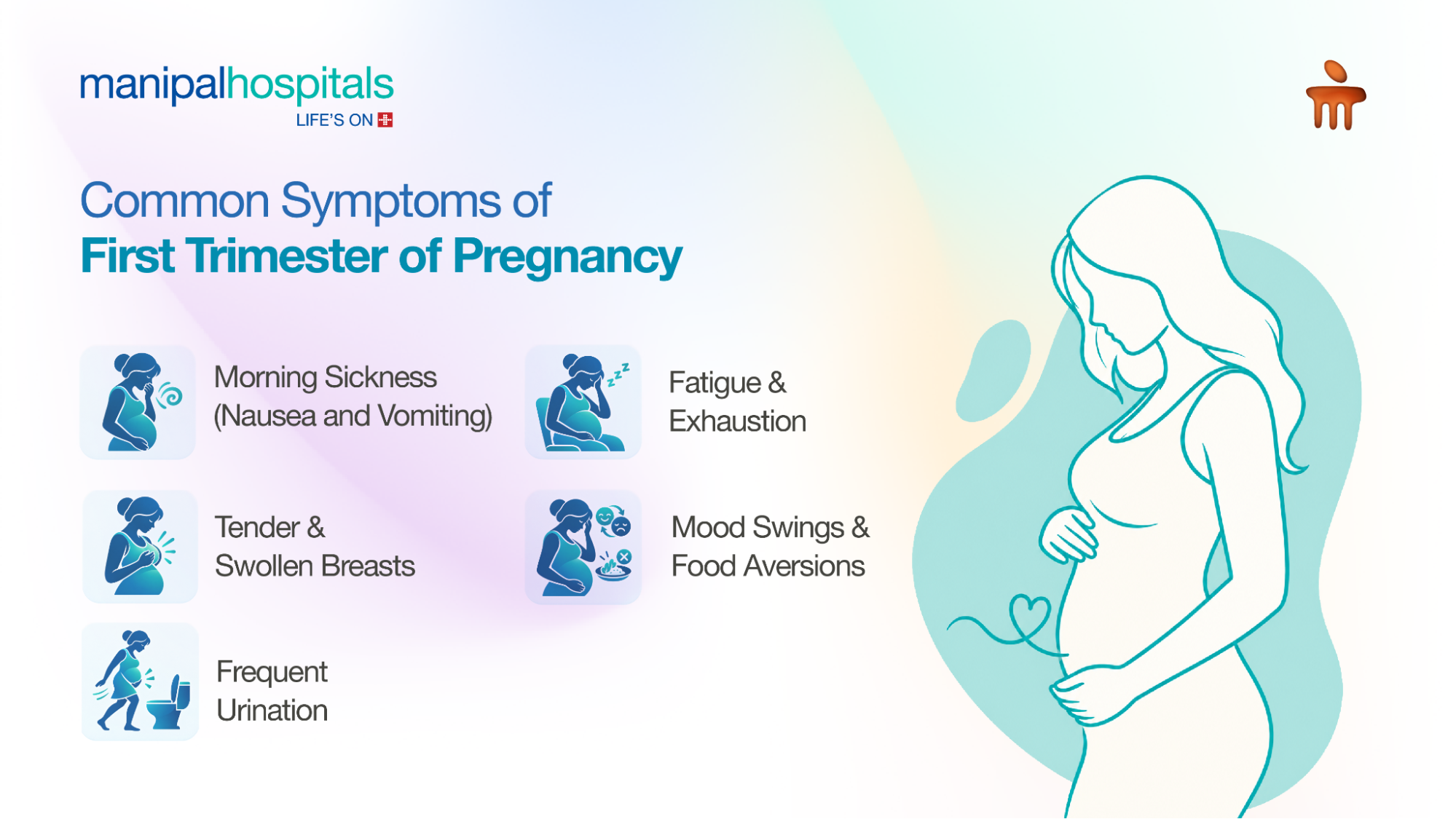
1. Morning Sickness (Nausea and Vomiting)
Despite its name, morning sickness can strike at any time of day or night. It typically peaks between weeks 6 and 9.
- Management: Eat small, frequent meals containing complex carbohydrates and lean proteins. Keep dry crackers by your bedside to eat before getting out of bed. Ginger teas or candies and vitamin B6 supplements (under medical advice) can also soothe nausea.
2. Fatigue and Exhaustion
Your body is working overtime to build the placenta—the life-support system for your baby. This massive expenditure of energy, combined with elevated progesterone levels, often leaves expectant mothers feeling profoundly tired.
- Management: Listen to your body and rest whenever possible. Prioritise early bedtimes, take short daytime naps, and maintain moderate physical activity to boost energy.
3. Tender, Swollen Breasts
Hormones prepare your milk ducts early on, making your breasts feel heavy, sore, or tingling.
- Management: Wear a supportive, wireless bra made from breathable cotton. Avoid underwire bras that may restrict tender breast tissue.
4. Frequent Urination
As your uterus expands, it presses directly against your bladder. Increased blood flow and kidney activity also contribute to more frequent bathroom trips.
- Management: Stay well-hydrated during the day, but taper off your fluid intake an hour or two before bedtime to minimise nighttime disruptions. Never hold in urine, as this increases the risk of urinary tract infections (UTIs).
5. Mood Swings and Food Aversions
Rapid hormonal shifts affect brain chemistry, leading to sudden emotional highs and lows. You may also experience intense cravings or sudden revulsion toward foods you previously enjoyed.
-
Management: Practice patience with yourself, communicate openly with your partner, and focus on eating whatever healthy foods you can tolerate.
Precautions During Early Pregnancy to Avoid Miscarriage
The majority of miscarriages happen during the first trimester, often due to unpreventable chromosomal abnormalities. However, adopting proper precautions during early pregnancy to avoid miscarriage minimises external risk factors and supports optimum foetal development.
-
Start Prenatal Vitamins Early: Take daily prenatal vitamins in consultation with your gynaecologist.
-
Book an Early Prenatal Appointment: Schedule your gynaecologist visits as soon as you get a positive pregnancy test to confirm the pregnancy, rule out ectopic pregnancy, and review your health history.
-
Manage Pre-existing Health Conditions: Keep conditions like diabetes, thyroid disorders, and high blood pressure under control in consultation with your doctor.
-
Avoid Infection Exposure: Practice diligent handwashing, avoid raw foods, and ensure all meats are thoroughly cooked to prevent infections.
-
Seek Immediate Care for Warning Signs: Contact your doctor if you experience severe abdominal cramping, heavy vaginal bleeding, fluid leaking, or high fever.
Essential Do's and Don'ts of Pregnancy
Navigating the dos and don'ts of pregnancy can feel overwhelming, especially during the early weeks. Here is a clear breakdown to guide your daily choices:
| Category | Do’s (Recommended Practices) | Don’ts (Things to Avoid) |
| Nutrition & Hydration |
|
|
| Lifestyle & Habits |
|
|
| Medications & Care |
|
|
Things to Avoid in Early Pregnancy
Knowing things to avoid in early pregnancy protects both maternal health and early embryo development.
1. Alcohol, Nicotine, and Recreational Drugs
There is no known safe level of alcohol consumption during pregnancy. Alcohol crosses the placenta and can lead to Foetal Alcohol Spectrum Disorders (FASD). Nicotine restricts oxygen flow to the baby, increasing the risk of low birth weight, premature birth, and pregnancy loss.
2. High Caffeine Consumption
High levels of caffeine are linked to an increased risk of miscarriage and low birth weight. Limit caffeine intake to under 200 mg per day (approximately one cup of coffee).
3. Certain Foods
To prevent foodborne illnesses
-
Avoid unpasteurised milk, cheeses, and juices.
-
Avoid raw sushi, and undercooked meats.
4. Overheating and High Temperatures
Core body temperatures above 102 during the first trimester increase the risk of neural tube defects. Avoid strenuous exercise in extreme heat.
5. Specific Medications and Skincare Ingredients
Certain over-the-counter and prescription medications can cause birth defects. Avoid Non-Steroidal Anti-inflammatory Drugs (NSAIDs) unless explicitly directed by a doctor. In skincare, avoid oral and topical retinoids (vitamin A derivatives like Retin-A, retinol, and accutane) and high-dose salicylic acid.
Conclusion
Navigating your first trimester pregnancy requires patience, self-care, and informed decision-making. By recognising standard first trimester symptoms, adhering to critical pregnancy precautions, and keeping clear on the dos and don'ts of pregnancy, you provide your developing baby with the best possible foundation for growth.
Always remember that every pregnancy is unique. Stay in close communication with your healthcare provider, listen to your body, and take time to celebrate the miraculous journey you have begun.
FAQ's
Regular prenatal checkups, blood tests, and an early ultrasound (typically conducted between weeks 6 and 12) are the most reliable ways to confirm normal progression. Mild cramping, breast tenderness, and fatigue are standard signs that your body is responding to pregnancy hormones.
Key precautions include taking daily folic acid, avoiding alcohol, smoking, and illicit substances, limiting caffeine, preventing foodborne infections, managing chronic health conditions, and avoiding abdominal trauma or high heat exposure.
Light spotting can be normal during early pregnancy—often caused by implantation bleeding (around weeks 4–5) or cervical sensitivity. However, you should always inform your healthcare provider about any bleeding, especially if accompanied by severe pain or cramping.
At 5 weeks pregnant, avoid alcohol, tobacco, high caffeine, raw or unpasteurized foods, handling cat litter, taking NSAID painkillers, using topical retinoids, and raising your body temperature through hot tubs or saunas.
When you are 3 months pregnant, you are typically in weeks 9 through 12 or 13. This marks the transition from the end of the first trimester into the second trimester.
Share this article on: