8 Min Read
You swapped your morning chai for packaged fruit juice, thinking it was healthier. But that one change may have added 5 to 6 teaspoons of sugar to your day without you realising it.
This is the real issue. Not just sugar in sweets, but the hidden sources of sugar in food that quietly build up through the day. India is already the world’s second-largest diabetic nation. Sugar consumption crossed 31 million metric tonnes in 2023-24. Yet most people still link sugar only to diabetes. The truth is wider. The effects of too much sugar on the body go beyond blood sugar. They impact your liver, heart, skin, gut, and even your mood. Let’s break it down in a simple way.
Synopsis
- What is Added Sugar and Why it is Different from Natural Sugar
- About Jaggery and Honey
- Hidden Sources of Sugar in Everyday Indian Foods
- What Too Much Sugar Does to Your Body
- How Much Sugar Per Day Is Actually Safe
- Practical Steps to Reduce Sugar Intake in India
- How to identify hidden sugar in food labels
- Conclusion
What is Added Sugar and Why it is Different from Natural Sugar
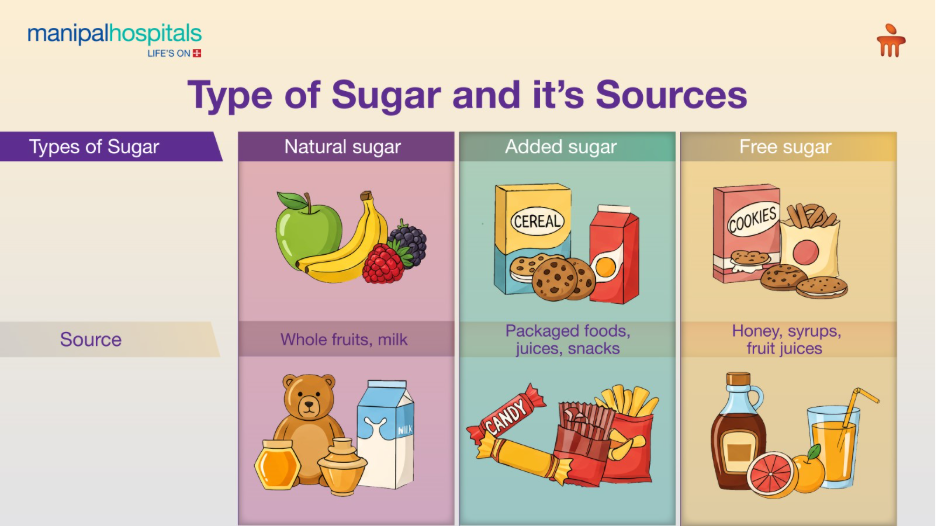
Not all sugar is the same, and understanding this is the first step. Natural sugar is found in whole foods like fruits and milk. These come with fibre, vitamins, and nutrients that slow down absorption. Added sugar is what is put into foods during processing. This includes sugar in biscuits, packaged drinks, cereals, and sauces. Free sugar, as defined by the WHO, includes all added sugars plus sugar naturally present in honey, syrups, and fruit juices.
Added sugar vs natural sugar
The body responds differently to natural and added sugars. Understanding this helps you make better food choices.
|
Type of Sugar |
Source |
How the Body Responds |
Impact on Blood Sugar |
|
Natural sugar |
Whole fruits, milk |
Absorbed slowly due to fibre and nutrients |
Gradual rise |
|
Added sugar |
Packaged foods, juices, snacks |
Quickly absorbed, lacks fibre |
Rapid spike |
|
Free sugar |
Honey, syrups, fruit juices |
Behaves similar to added sugar |
Rapid spike |
Whole fruits release sugar slowly because they contain fibre. This helps in better digestion and steady energy release. In contrast, packaged juices and foods with added sugar are absorbed quickly. This leads to sudden spikes in blood sugar levels.
About Jaggery and Honey
This is a common misconception in India. Jaggery, khandsari, and honey may seem healthier because they are less processed. However, from a metabolic point of view, they behave very similarly to refined sugar. They still raise blood glucose levels and should be consumed in moderation, not as a free substitute.
Sugar By Another Name
Food labels rarely say just “sugar”. Watch for terms like the following:
-
Maltodextrin
-
Corn syrup
-
Dextrose
-
Fructose
-
Maltose
-
Cane juice
If these appear in the top ingredients, the product is high in sugar.
Hidden Sources of Sugar in Everyday Indian Foods
This is where most people get caught off guard. Sugar is not limited to desserts. It is quietly added to many everyday foods, making your daily intake much higher than you realise:
-
Packaged fruit juices: Often seen as a healthy choice. But one glass can contain 5 to 6 teaspoons of sugar. Since the fibre is removed, the body absorbs this sugar quickly, leading to a rapid spike in blood sugar levels.
-
Flavoured dahi and lassi: These can contain 4 to 6 teaspoons of added sugar per cup. While they may seem nutritious, the added sugar reduces their health value. Plain curd with fresh fruit is a better option.
-
Biscuits and bakery items: Even basic options like digestives add up over time. 4 to 5 biscuits can equal around 1 teaspoon of sugar. Regular consumption can easily push your daily intake beyond safe limits.
-
Ketchup and sauces: These are often overlooked. Ketchup can contain 20 to 25 grams of sugar per 100 grams, which is higher than many desserts. Frequent use with snacks and meals increases hidden sugar intake.
-
Health drinks and powders: Many products marketed as ‘health drinks’ contain high amounts of added sugar. They may seem beneficial but often contribute significantly to excess sugar consumption, especially in children and young adults.
-
Instant mixes and packaged snacks: Ready-to-eat foods like poha, upma, and flavoured oats often include added sugar to enhance taste. These small amounts add up when consumed regularly.
-
Bread and packaged atta products: Even everyday staples like bread can contain hidden sugar. It is added to improve taste and texture, making it easy to miss.
These foods are part of a regular diet for many people. That is why sugar intake often increases without clear warning. Being aware of these hidden sources is the first step towards making better food choices.
What Too Much Sugar Does to Your Body
The effects of too much sugar on the body are not limited to one system. It affects multiple organs.
Sugar and Diabetes in India
India has over 77 million people with diabetes. This number is rising fast. Excess sugar leads to repeated spikes in blood glucose. Over time, this causes insulin resistance. This means the body cannot use insulin properly. Blood sugar levels remain high. If you have concerns, you can consult an endocrinologist for early assessment and care.
Sugar and Your Liver
Excess sugar, especially fructose, is processed in the liver. When intake is high, it gets converted into fat. This leads to non-alcoholic fatty liver disease (NAFLD). Many people do not notice symptoms early. But it can progress to serious liver conditions. You can learn more about fatty liver disease and how to manage it with expert care.
Sugar and Heart Disease
High sugar intake affects your heart in several ways:
-
Increases triglyceride levels
-
Lowers good cholesterol (HDL)
-
Promotes inflammation in blood vessels
Indians already have a higher risk of heart disease. Excess sugar makes this risk worse.
Sugar, Skin, and Ageing
Sugar affects your skin through a process called glycation. Sugar molecules bind to collagen and damage it. This leads to:
-
Early wrinkles
-
Loss of skin elasticity
-
Dull skin
-
Acne flare-ups
This is why high sugar intake is often linked to premature ageing.
Sugar, Gut Health, and Brain Function
High-sugar diets disrupt gut bacteria. This reduces gut diversity and weakens gut health.
It can also lead to:
-
Bloating and digestive issues
-
Increased inflammation
-
Mood swings
-
Fatigue
Blood sugar spikes and crashes affect how you feel mentally. Over time, this may impact focus and emotional health.
How Much Sugar Per Day Is Actually Safe
The World Health Organization recommends limiting added sugar to less than 10% of daily calories. Ideally, it should be under 25 grams (about 6 teaspoons) per day. For most people, this limit is crossed very easily. For example:
-
One soft drink (330 ml) equals around 35 grams of sugar.
-
A “normal” day with juice, biscuits, and sauces can cross 60 grams.
ICMR guidelines for Indians also support limiting added sugar intake. Keeping track of daily intake is important for long-term health.
Practical Steps to Reduce Sugar Intake in India
You do not need to stop everything. Small changes work better.
-
Switch to whole fruits: Avoid packaged juices. Eat whole fruits instead.
-
Choose plain over flavoured: Pick plain curd. Add fresh fruits if needed.
-
Read food labels: Look for hidden sugars like “-ose” or “syrup”.
-
Reduce sugar in tea or coffee gradually: Cut down one spoon at a time.
-
Avoid processed snacks: Limit biscuits, packaged snacks, and instant foods.
-
Cook more at home: Home food gives better control over ingredients.
-
Pick simple breakfast options: Choose plain oats instead of flavoured cereals.
If you need personalised guidance, you can speak to a dietitian for a structured plan.
How to identify hidden sugar in food labels
Check ingredients for terms like maltodextrin, corn syrup, fructose, and dextrose. If these appear early in the list, the product is high in sugar.
How Much Sugar Can a Diabetic Have
This varies from person to person. Added sugar should be limited. It is best to get your blood sugar levels checked and follow a personalised plan.
Does Sugar Cause Acne
Yes. High sugar intake increases insulin levels. This leads to more oil production and clogged pores, which can worsen acne.
Conclusion
Sugar is not the problem on its own. The real concern is how easily it adds up through everyday foods and habits. What seems like small choices across the day can lead to a much higher intake than expected. Over time, this can affect your metabolism, organ health, and overall wellbeing.
The sugar intake can be managed with better awareness, simple swaps, and mindful eating. You can reduce your daily sugar intake without giving up everything you enjoy. Small, consistent changes can make a meaningful difference to your long-term health. If you are unsure about your sugar intake or have concerns about your health, it is worth getting the right guidance. A timely consultation can help you understand your risk and take the right steps early.
FAQ's
Jaggery contains small amounts of minerals. But it still raises blood sugar levels like regular sugar. It should be used in moderation, not as a free alternative.
Excess sugar increases inflammatory markers in the body. This leads to low-grade chronic inflammation, which is linked to heart disease and other conditions.
Common signs include fatigue, frequent hunger, headaches, weight gain, acne, and mood swings. Dark patches on the neck can also indicate insulin resistance.
High sugar intake causes rapid spikes and drops in blood sugar. This can affect mood and increase the risk of anxiety and low mood over time.
Reducing added sugar for a few weeks helps improve insulin sensitivity. Cravings and energy levels also improve. A dietitian can help create a safe plan.
Share this article on: