10 Min Read
Cervical cancer, a significant health concern for women globally, is largely preventable. At the forefront of this prevention strategy is the HPV vaccine, a medical marvel that has transformed our approach to this disease. Here at Manipal Hospitals, we are committed to empowering our community with knowledge and access to life-saving interventions. This comprehensive guide will shed light on the Human Papillomavirus (HPV), its link to cervical cancer, and why the HPV vaccine is a cornerstone of women's health.
What is HPV?
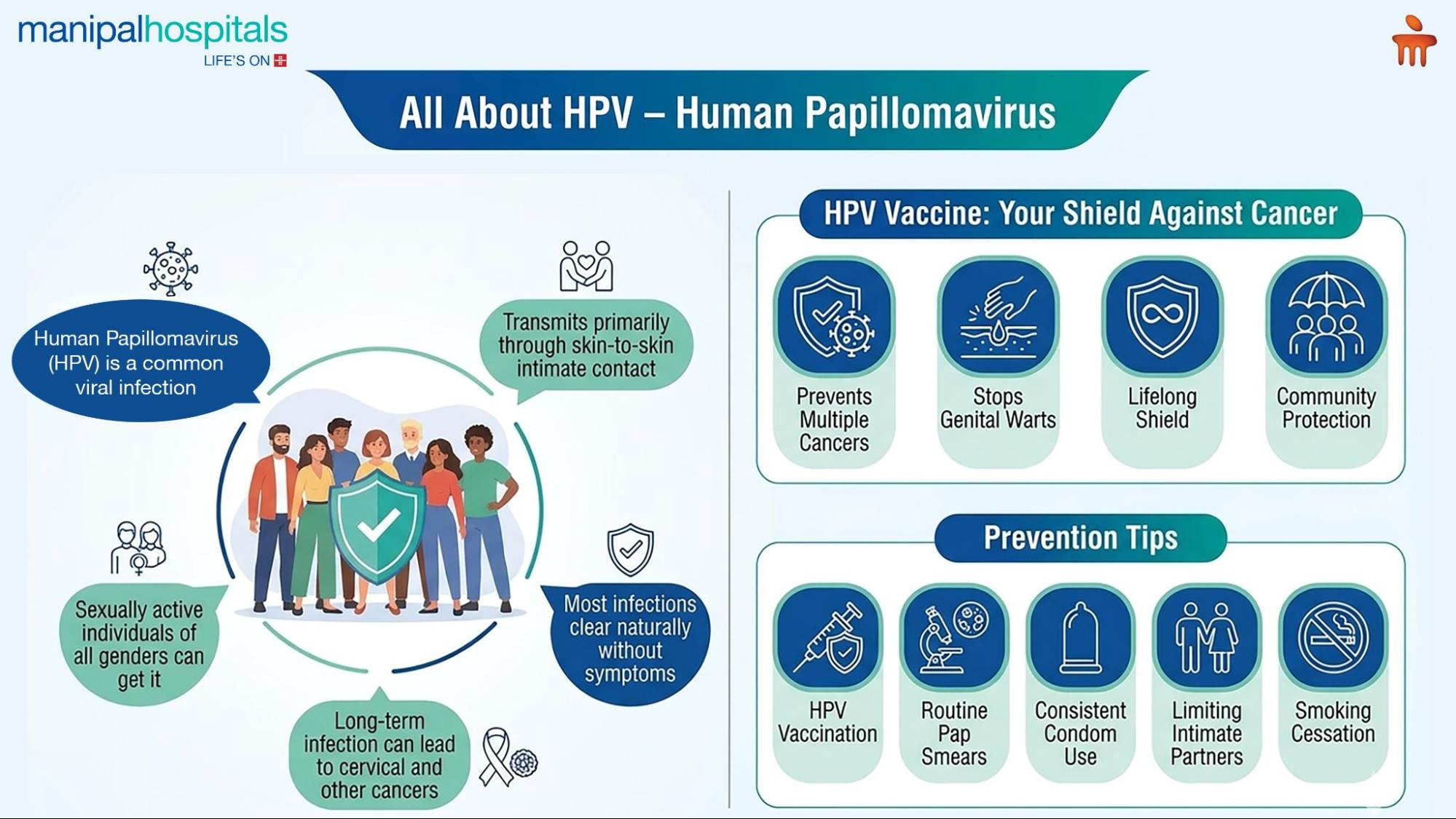
Human Papillomavirus (HPV) is a very common virus, so common that most sexually active individuals will contract it at some point in their lives. It's primarily spread through skin-to-skin contact, often during sexual activity. While many HPV infections are harmless and clear up on their own, certain types, known as "high-risk HPV," can lead to serious health problems, including various cancers.
The Link to Cervical Cancer
Persistent infection with high-risk HPV types is the primary cause of nearly all cervical cancers. When these viruses remain in the body for a long time, they can cause abnormal changes in the cells of the cervix. If left undetected and untreated, these changes can progress to cancer over many years. Regular screening tests, such as Pap tests, are vital for detecting these precancerous changes early, but the HPV vaccine offers a powerful first line of defence by preventing the infection altogether.
The Power of the HPV Vaccine
The development of the HPV vaccine represents a monumental leap in cancer prevention. It's not just a vaccine; it's a shield against a preventable cancer.
How the HPV Vaccine Works
The HPV vaccine works by stimulating the body's immune system to produce antibodies against specific types of HPV. These antibodies then provide protection against future infections from those HPV types. Clinical trials have shown the HPV vaccine to be remarkably effective, offering over 90% protection against infections and related diseases caused by the HPV types it covers. This means a significant reduction in the risk of developing cervical cancer and other HPV-related cancers.
Who Should Get the HPV Vaccine and When?
The recommendations for the cervical cancer vaccine are based on extensive research and aim to provide maximum protection.
-
Ages 9-14 Years (Primary Recommendation): This age group is considered ideal for vaccination. Children typically have a stronger immune response at this age, and importantly, they are vaccinated before any potential exposure to HPV. A two-dose schedule is usually recommended for individuals initiating vaccination before their 15th birthday. Studies have shown that vaccinating adolescents before their potential exposure to HPV can reduce the risk of cervical cancer by up to 87% in young women.
-
Ages 15-26 Years (Catch-up Recommendation): If vaccination was not completed or initiated during the earlier recommended period, it is still highly recommended for individuals in this age group. For those starting the vaccine series at age 15 or older, a three-dose schedule is typically advised.
-
Ages 27-45 Years (Shared Clinical Decision-Making): While the benefits are greatest when vaccinated at younger ages, the HPV vaccine age limit has been extended. Adults aged 27 through 45 who were not adequately vaccinated previously may discuss vaccination with their doctor. The decision to vaccinate in this age group is based on individual risk factors and a discussion about potential benefits. It's important to understand that while vaccination can still provide some protection, it might be less effective if the individual has already been exposed to some HPV types.
HPV Vaccine Age Limit: Is There One?
The concept of an HPV vaccine age limit is often misunderstood. While the vaccine is most effective when administered before sexual activity begins, it's not strictly limited to adolescents. The primary recommendation targets ages 9-26, but as mentioned, discussions with healthcare providers for individuals up to age 45 are now part of the guidelines. This broader consideration ensures more individuals can benefit from this crucial protection, helping to reduce the overall burden of HPV-related diseases.
HPV Vaccine Side Effects: What to Expect
Concerns about HPV vaccine side effects are common, but rest assured, the vaccine has an excellent safety record. Millions of doses of the HPV vaccine have been administered worldwide, with ongoing monitoring consistently demonstrating its safety profile. Most side effects are mild and temporary, similar to those experienced with other routine vaccinations:
-
Common Side Effects:
-
Rare Side Effects: Fainting can occur after any injection, so observation for 15 minutes post-vaccination is often recommended. Severe allergic reactions are extremely rare but highlight the importance of receiving vaccinations in a clinical setting where medical staff are prepared to handle such events.
The vast benefits of preventing cervical cancer and other HPV-related diseases far outweigh the minimal risks associated with these mild side effects.
Care Essentials: Do's and Don'ts
Taking proactive steps for your health is key. Here's a quick guide:
Do's
-
Do Get Vaccinated: Ensure you or your eligible child receives the full course of the HPV vaccine as recommended by your healthcare provider.
-
Do Follow the Schedule: Adhere to the recommended dosing schedule (2 or 3 doses) for optimal protection.
-
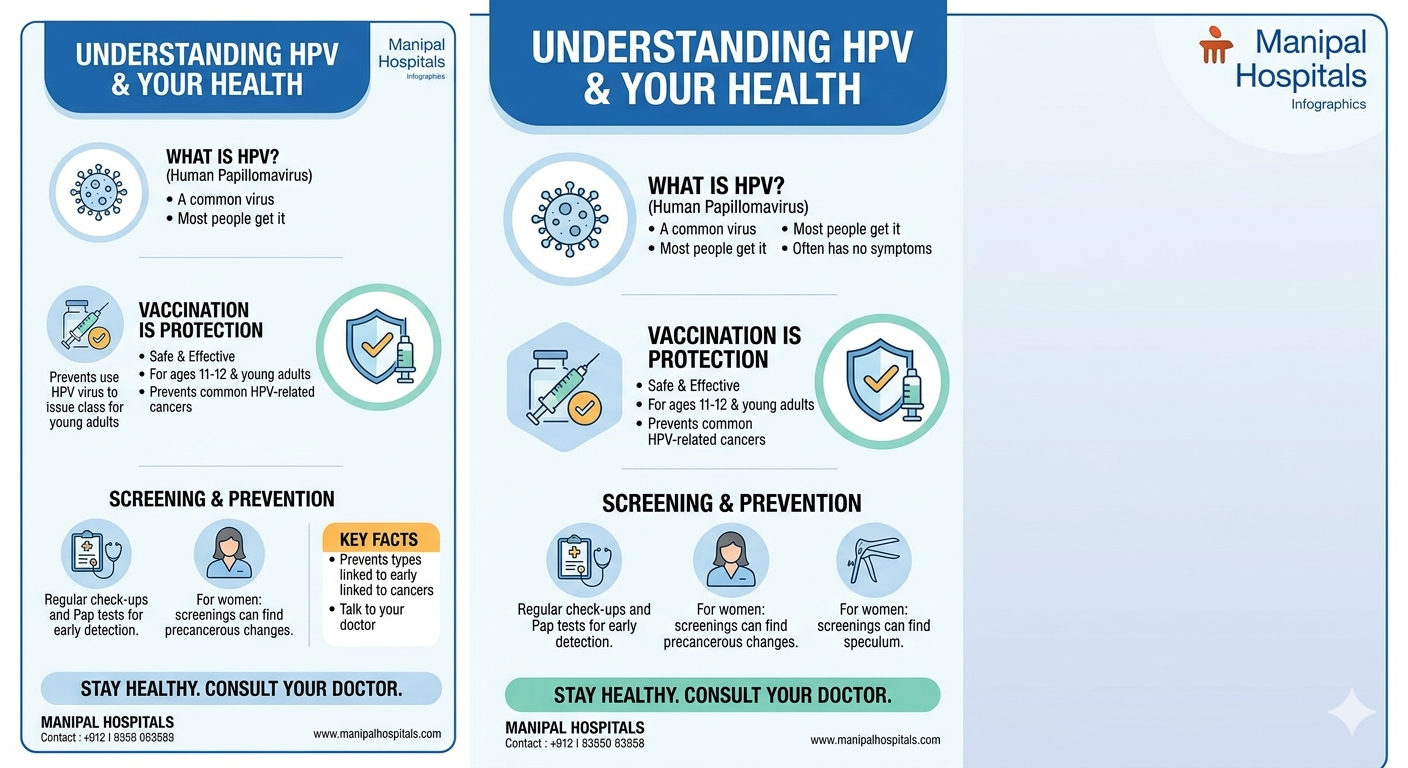
Do Continue Regular Screenings: Even after vaccination, women should continue with regular cervical cancer screening (Pap tests) as advised by their doctor, as the vaccine does not protect against all HPV types or pre-existing infections.
-
Do Discuss with Your Doctor: If you are an adult aged 27-45 and haven't been vaccinated, have a conversation with your healthcare provider about the potential benefits for you.
-
Do Educate Others: Share accurate information about the HPV vaccine with friends and family to help demystify it and encourage prevention.
Don'ts
-
Don't Skip Doses: Incomplete vaccination may lead to suboptimal protection.
-
Don't Assume Complete Immunity: While highly effective, the vaccine doesn't protect against every single type of HPV, nor does it treat existing infections or cancer.
-
Don't Ignore Symptoms: If you experience unusual vaginal bleeding, pelvic pain, or other concerning symptoms, seek medical advice promptly.
-
Don't Delay Vaccination: The earlier the vaccination, the more effective it typically is due to a stronger immune response and before potential exposure to the virus.
FAQ's
No, the HPV vaccine is recommended for both girls and boys. While it primarily prevents cervical cancer in females, it also protects against other HPV-related cancers such as anal, oral, and throat cancers, as well as genital warts, which can affect both sexes.
Yes, even if you are already sexually active, the HPV vaccine can still provide protection against HPV types you haven't been exposed to yet. It's beneficial to get vaccinated, although the protection might be less comprehensive than if vaccinated before any sexual activity.
No, the HPV vaccine is preventative. It works by preventing new infections with the HPV types it covers. It does not treat existing HPV infections, abnormal cell changes, or cervical cancer.
For individuals aged 9-14, a two-dose schedule is typically recommended. For those aged 15 and older, a three-dose schedule is usually advised. Your doctor will determine the appropriate schedule based on your age.
No, the HPV vaccine is not mandatory, but it is highly recommended by major health organisations worldwide, including the World Health Organisation, due to its proven efficacy in preventing cervical and other HPV-related cancers.
Extensive research and monitoring over many years have consistently shown no evidence of serious long-term HPV vaccine side effects. The vaccine is considered very safe.
Share this article on: