7 Min Read
Something is unsettling about illnesses that don’t announce themselves loudly. Ovarian cancer symptoms are often quiet, subtle, and easy to misunderstand. Many women ignore ovarian cancer symptoms such as persistent bloating, pelvic discomfort, stomach pain, or changes in appetite, assuming they are minor digestive or hormonal issues. Because ovarian cancer symptoms can resemble common everyday problems, they are frequently overlooked until the disease reaches an advanced stage. Over the years, many patients have shared the same thought: “I felt something was off, but I ignored it.” That is exactly why awareness of ovarian cancer symptoms matters so much.
At Manipal Hospitals Jaipur, the focus is not only on advanced care but also on helping women recognise early ovarian cancer symptoms, understand ovarian cancer stages, and feel informed about the latest ovarian cancer treatment options. Identifying ovarian cancer symptoms early and seeking timely medical attention can significantly improve recovery chances and treatment outcomes.
Synopsis
Understanding Ovarian Cancer in Simple Words
Ovarian cancer begins in the ovaries, small organs responsible for producing eggs and hormones like oestrogen and progesterone. Sometimes, it may also originate in nearby structures like the fallopian tubes or abdominal lining.
What makes it tricky is its behaviour. Unlike many other cancers, ovarian cancer doesn’t always show clear signs early on. This is why it’s often called the “silent killer.”
A senior gynaecologist at Manipal Hospitals, Jaipur, once shared a case of a 52-year-old woman who came in only for persistent bloating. She assumed it was a digestive issue. After evaluation, it turned out to be early-stage ovarian cancer, and thankfully, it was treatable. That one visit made all the difference.
Recognising Ovarian Cancer Symptoms Early
The body usually gives signals; we just need to pay attention.
Common symptoms include:
-
Persistent bloating or abdominal swelling
-
Pelvic or lower abdominal pain
-
Feeling full quickly while eating
-
Changes in bowel habits (constipation or diarrhoea)
-
Constant fatigue
-
Lower back discomfort
-
Pain during intercourse
These symptoms may sound common, and that’s the challenge. They overlap with everyday issues like acidity or hormonal changes.
The key rule:
If these symptoms occur daily for more than 2–3 weeks, don’t ignore them.
Understanding Ovarian Cancer Stages
Knowing the stage of cancer helps doctors decide the right treatment plan.
Stage I – Localised
Cancer is limited to the ovaries.
Best outcomes with early detection (up to 90–95% survival rate)
Stage II – Pelvic Spread
Cancer has spread within the pelvis (uterus, bladder, etc.)
Stage III – Abdominal Spread
Cancer reaches the abdominal lining or lymph nodes
This is where many cases are diagnosed
Stage IV – Advanced Stage
Cancer spreads to distant organs like the lungs or liver
At Manipal Hospitals Jaipur, doctors emphasise that the stage at diagnosis directly impacts recovery chances, which is why early consultation is critical.
Advanced Ovarian Cancer Treatment Options
The good news? Treatment has evolved significantly in recent years. What once felt overwhelming now comes with structured, personalised care plans.
1. Surgery (Primary Treatment)
-
The first step is often removing as much tumour as possible.
-
This may include the ovaries, uterus, and affected tissues.
The more cancer removed, the better the outcome.
2. Chemotherapy
Use either:
-
Before surgery (to shrink tumours)
-
After surgery (to kill remaining cells)
Many patients respond very well, especially when treatment begins at the right time.
3. Targeted Therapy
-
This is where modern medicine shines.
-
These drugs attack specific cancer cells without harming normal ones.
Particularly effective in patients with BRCA gene mutations
4. Personalised Cancer Care
At Manipal Hospitals Jaipur, treatment isn’t “one-size-fits-all.”
Doctors consider:
-
Cancer stage
-
Genetic profile
-
Patient’s overall health
-
Emotional well-being
This holistic approach improves both recovery and quality of life.
Ovarian Cyst vs Ovarian Cancer – Clearing the Confusion
This is one of the most common concerns among women.
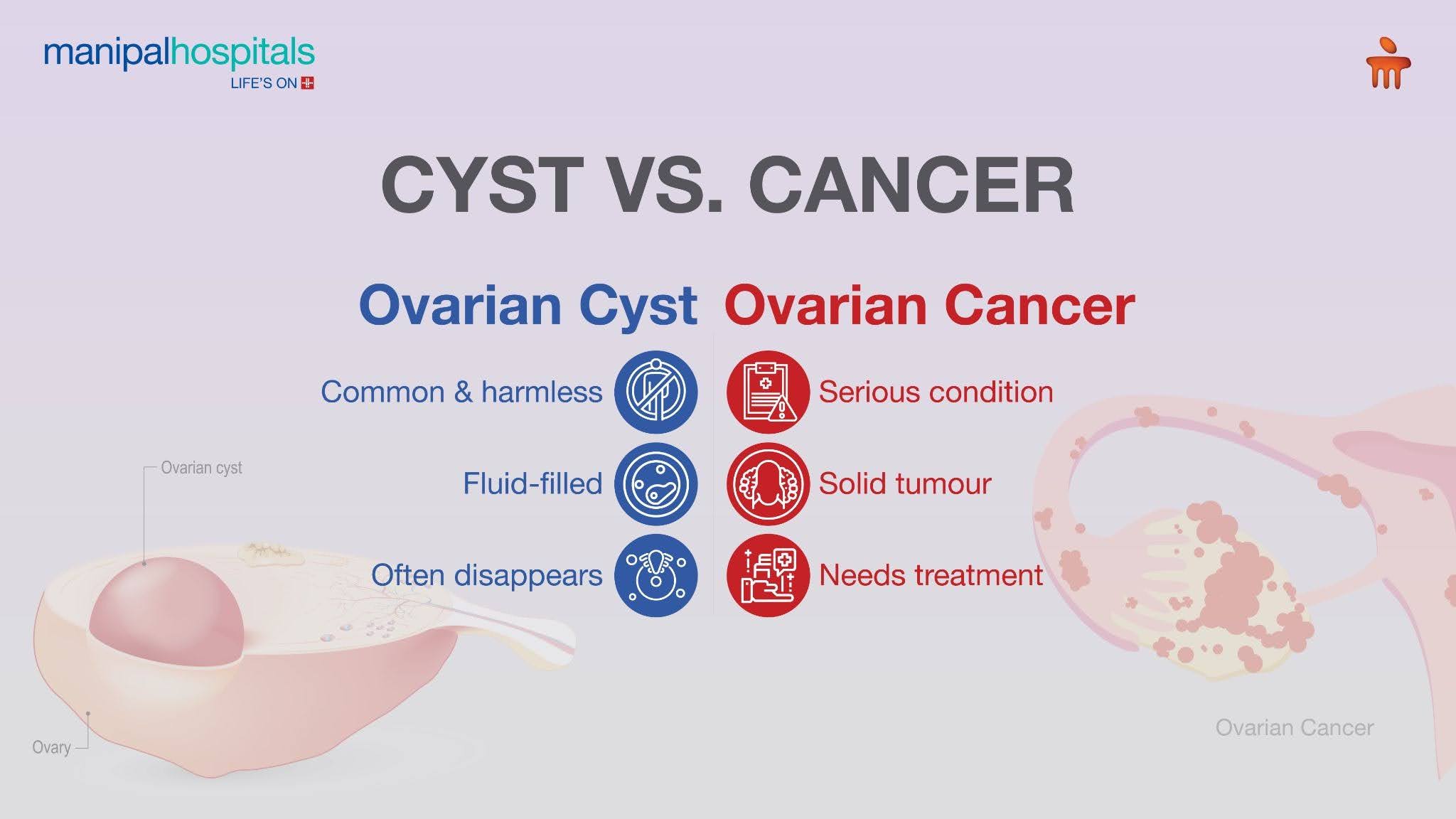
Ovarian Cysts:
-
Fluid-filled sacs
-
Very common
-
Usually harmless
-
Often disappear naturally
Ovarian Cancer:
-
Abnormal cell growth
-
Can spread to other organs
-
Requires immediate medical attention
Not every cyst is cancer, but persistent or unusual cysts need evaluation.
Practical Do’s and Don’ts
Do’s:
-
Listen to your body
-
Go for regular gynaecological check-ups
-
Share family history with your doctor
-
Maintain a balanced diet and an active lifestyle
Don’ts:
-
Don’t ignore persistent bloating or pain
-
Don’t self-diagnose using online searches
-
Don’t delay medical consultation
-
Don’t panic; early detection changes everything
A Gentle Reminder
Ovarian cancer may be called a “silent killer", but awareness gives it a voice. The earlier you act, the better your chances.
At Manipal Hospitals Jaipur, the goal is simple: early detection, advanced treatment, and compassionate care.
If something doesn’t feel right, trust your instinct and consult a specialist. Sometimes, that one decision can change everything.
Disclaimer: This content is for informational purposes only and should not replace professional medical advice. Always consult a qualified healthcare expert for diagnosis and treatment.
FAQ's
Women above 50, those with a family history of cancer, or BRCA gene mutations.
Not completely, but risk can be reduced through lifestyle choices, pregnancy, and certain medical interventions.
Currently, no reliable screening exists for the general population.
Yes, especially if there’s a strong family history.
Yes, recurrence is possible, especially in advanced stages—regular follow-ups are essential.
Share this article on: