10 Min Read
Cervical cancer, a disease that affects the cervix (the lower part of the uterus that connects to the vagina), stands as a significant health concern for women worldwide. However, the good news is that it is largely preventable and, when detected early, highly treatable. At Manipal Hospitals, we are committed to empowering women with the knowledge and resources to protect themselves against this disease. This comprehensive guide will walk you through the essential aspects of cervical cancer prevention, from understanding its causes of cervical cancer to embracing the power of the HPV vaccine and regular cervical cancer screening.
The global fight against cervical cancer has seen remarkable progress, with preventative strategies demonstrating incredible success. For instance, countries with robust cervical cancer screening programs have seen a reduction in incidence and mortality rates by up to 80%. This highlights the immense power of proactive health measures in safeguarding women's well-being.
Synopsis
- Understanding the Causes of Cervical Cancer
- The Role of HPV (Human Papillomavirus)
- Recognising Early Signs and Cervical Cancer Symptoms
- Common Cervical Cancer Symptoms (often appearing in later stages)
- The Importance of Early Detection
- The Power of Prevention: HPV Vaccine and Cervical Cancer Screening
- The HPV Vaccine: A Shield Against Cervical Cancer
- Cervical Cancer Screening: Your Annual Health Check
- Beyond Vaccination and Screening: Lifestyle Choices
- Care Essentials: Do's and Don'ts
- What Happens Next: Diagnosis and Treatment
Understanding the Causes of Cervical Cancer
Understanding the causes of cervical cancer is the first step towards effective prevention. While several factors can contribute, one stands out as the primary culprit.
The Role of HPV (Human Papillomavirus)
The vast majority, almost all cases, of cervical cancer are caused by persistent infection with certain high-risk types of Human Papillomavirus (HPV). HPV is a common virus that is transmitted through sexual contact. Many people will contract HPV at some point in their lives, often without any symptoms. While most HPV infections clear on their own, persistent infection with high-risk types can lead to abnormal cell changes in the cervix, which, if left untreated, can progress to cervical cancer. This strong link between HPV and cervical cancer underscores the importance of vaccination and regular screening.
-
High-Risk HPV Types: There are over 100 types of HPV, but only about 14 are considered high-risk and are responsible for most cervical cancer cases.
-
Silent Infection: HPV infection often has no visible symptoms, making regular screening crucial for detection.
While HPV is the leading cause of cervical cancer, other factors can increase a woman's risk, often by making her more susceptible to persistent HPV infection or by promoting the progression of abnormal cells.
Other Risk Factors
-
Weakened Immune System: Conditions that suppress the immune system, such as HIV/AIDS or organ transplant, can make it harder for the body to fight off HPV infection.
-
Smoking: Chemicals in tobacco can damage cervical cells, making them more vulnerable to HPV and cancer development.
-
Long-term Use of Oral Contraceptives: While generally safe, prolonged use (over 5-10 years) has been associated with a slightly increased risk, though the benefits often outweigh this small risk.
-
Multiple Full-Term Pregnancies: Having three or more full-term pregnancies has been linked to an increased risk.
-
Early Age at First Full-Term Pregnancy: Giving birth before the age of 17 also slightly increases risk.
-
Poor Hygiene: While not a direct cause, poor genital hygiene can contribute to infections and inflammation.
Recognising Early Signs and Cervical Cancer Symptoms
One of the most challenging aspects of cervical cancer is that its early signs of cervical cancer are often subtle or non-existent. In its initial cervical cancer stages, the disease may not cause any noticeable cervical cancer symptoms. This makes regular cervical cancer screening absolutely vital for cervical cancer diagnosis before symptoms appear.
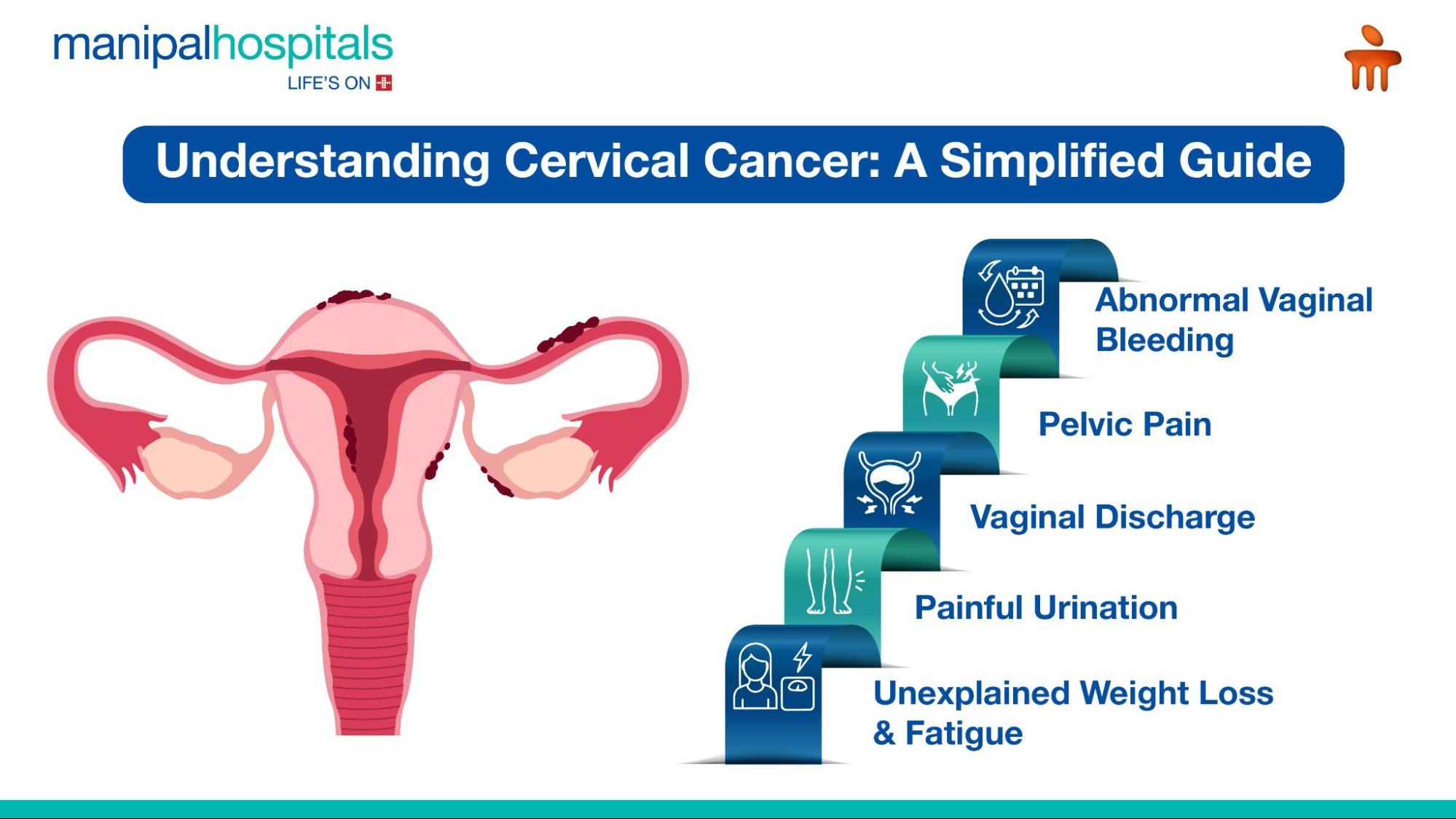
Common Cervical Cancer Symptoms (often appearing in later stages)
When cervical cancer symptoms do manifest, they can include:
-
Abnormal Vaginal Bleeding: This is often the most common symptom. It can include bleeding between periods, bleeding after sexual intercourse, or bleeding after menopause.
-
Unusual Vaginal Discharge: Discharge that is watery, bloody, or has a foul odour can be a sign.
-
Pelvic Pain or Pain During Intercourse: Persistent pain in the pelvic area or discomfort during sexual activity can indicate advanced stages.
-
Weight Loss and Fatigue: Unexplained weight loss and persistent fatigue can be general symptoms of advanced cancer.
-
Swelling in the Legs: If the cancer spreads, it can affect lymph nodes and cause swelling.
It's important to remember that these cervical cancer symptoms can also be caused by other, less serious conditions. However, if you experience any of these, especially persistent or worsening symptoms, it's crucial to seek medical attention promptly for a proper cervical cancer diagnosis.
The Importance of Early Detection
Early detection is a game-changer. When cervical cancer is caught at an early stage, before it has spread, the success rate for cervical cancer treatment is incredibly high. For instance, the 5-year survival rate for localised cervical cancer is over 90%. This powerful statistic underscores why proactive cervical cancer screening is not just recommended but essential.
The Power of Prevention: HPV Vaccine and Cervical Cancer Screening
The good news is that cervical cancer is one of the most preventable cancers. With advancements in medical science, we now have highly effective tools for cervical cancer prevention: the HPV vaccine and routine cervical cancer screening.
The HPV Vaccine: A Shield Against Cervical Cancer
The HPV vaccine is a revolutionary advancement in preventative medicine. It protects against the most common high-risk HPV types that cause cervical cancer. Administered to young girls and boys before they become sexually active, the vaccine offers long-lasting protection.
-
High Efficacy: Studies have shown the cervical cancer vaccine to be over 90% effective in preventing infections with the HPV types it covers, leading to a significant reduction in precancerous lesions and cervical cancer.
-
Recommended Age: It is typically recommended for individuals aged 9-26, with catch-up vaccinations for those up to 45 years in some guidelines. Consult your doctor for personalised advice.
-
Safety Profile: The cervical cancer vaccine has been extensively studied and proven to be very safe and effective.
Many countries that have implemented widespread HPV vaccination programs have reported dramatic drops in both HPV infections and the incidence of cervical cancer precursors, confirming its immense protective power.
Cervical Cancer Screening: Your Annual Health Check
Even with the HPV vaccine, regular cervical cancer screening remains vital. Screening tests like the Pap test (Papanicolaou test) and the HPV test can detect abnormal cervical cells or the presence of high-risk HPV types before cancer develops. These tests allow for early cervical cancer diagnosis and intervention.
-
Pap Test: This test collects cells from the cervix to check for abnormal changes that could indicate precancerous conditions.
-
HPV Test: This test looks for the presence of high-risk HPV strains in cervical cells.
-
Recommended Schedule: Your doctor will advise on the appropriate cervical cancer screening schedule based on your age, medical history, and previous test results. For many women, screening begins around age 21 and continues regularly.
Combined, the HPV vaccine and consistent cervical cancer screening form a powerful two-pronged approach to cervical cancer prevention, offering women the best defence against this disease.
Beyond Vaccination and Screening: Lifestyle Choices
While vaccination and screening are paramount, certain lifestyle choices can further reduce your risk and support overall health:
-
Avoid Smoking: Quitting smoking is one of the best things you can do for your health, including reducing your cervical cancer risk.
-
Practice Safe Sex: Using condoms can help reduce the risk of HPV transmission, though it doesn't offer complete protection, as HPV can infect areas not covered by a condom.
-
Maintain a Healthy Lifestyle: A balanced diet, regular exercise, and maintaining a healthy weight support a strong immune system, which can help fight off infections like HPV.
Care Essentials: Do's and Don'ts
Do's
-
Do get vaccinated against HPV if you are within the recommended age group and consult your doctor.
-
Do follow your doctor's recommendations for regular `cervical cancer screening` (Pap tests and/or HPV tests).
-
Do practice safe sexual habits.
-
Do maintain a healthy lifestyle, including a balanced diet and regular exercise.
-
Do seek immediate medical attention if you experience any unusual cervical cancer symptoms like abnormal bleeding or pain.
Don'ts
-
Don't ignore your screening appointments; early signs of cervical cancer are often silent.
-
Don't smoke or use tobacco products.
-
Don't self-diagnose; always consult a healthcare professional for any health concerns.
-
Don't assume you are immune to HPV or cervical cancer if you have had the vaccine; screening is still important.
What Happens Next: Diagnosis and Treatment
If cervical cancer screening reveals abnormalities, further diagnostic tests such as colposcopy, biopsy, or imaging may be performed for a definitive cervical cancer diagnosis. Should cervical cancer be confirmed, cervical cancer treatment options vary depending on the cervical cancer stages, overall health, and personal preferences. Treatments can include surgery, radiation therapy, chemotherapy, or a combination. Modern advancements in cervical cancer treatment offer hope and effective management for many women.
Your health is your most valuable asset. Empower yourself with knowledge and proactive care. Manipal Hospitals offers comprehensive cervical cancer screening packages, expert consultations, and state-of-the-art facilities to ensure you receive the best care. Book an appointment for your HPV vaccination or cervical cancer screening today and take a crucial step towards a healthier future.
FAQ's
HPV, or Human Papillomavirus, is a very common group of viruses. Some types can cause warts, while others, known as high-risk types, can lead to cell changes that may develop into cervical cancer over time. HPV and cervical cancer are inextricably linked.
The HPV vaccine is generally recommended for girls and boys aged 9 to 14, ideally before they become sexually active. Catch-up vaccination is often recommended for individuals up to age 26, and in some cases, up to age 45, depending on national guidelines and individual risk factors. Consult your doctor for personalised advice.
The frequency of cervical cancer screening depends on your age, medical history, and the type of tests used (Pap test or HPV test). Typically, screening begins around age 21, with intervals ranging from every 3 to 5 years if results are normal. Your healthcare provider at Manipal Hospitals will guide you on the most appropriate schedule.
Yes, cervical cancer is highly treatable, especially when detected at early stages. The 5-year survival rate for localised cervical cancer exceeds 90%. Cervical cancer treatment options include surgery, radiation, chemotherapy, or a combination, tailored to the individual and cervical cancer stages.
While no cancer prevention is 100% guaranteed, cervical cancer is largely preventable. The combination of the HPV vaccine, regular cervical cancer screening (Pap and HPV tests), and healthy lifestyle choices can significantly reduce your risk and effectively provide cervical cancer prevention for the vast majority of women.
Yes, cervical cancer is classified into different cervical cancer stages (Stage I to Stage IV) based on how much the cancer has grown and if it has spread to other parts of the body. Staging helps doctors determine the best cervical cancer treatment plan and predict prognosis.
Share this article on: