7 Min Read
Stroke is no longer a condition seen only in older adults. Across India and globally, there has been a concerning rise in stroke cases among people under 45. Sedentary lifestyles, unmanaged stress, smoking, obesity, hypertension, diabetes, and undiagnosed heart conditions are increasingly contributing to this trend. Recognising stroke symptoms in young adults early can make the difference between complete recovery and lifelong disability.
Many younger individuals ignore subtle warning signs, assuming they are caused by fatigue, migraine, or stress. Unfortunately, delayed diagnosis often leads to severe neurological damage. Understanding the causes, risks, and modern treatment options is crucial for timely intervention and better outcomes.
Synopsis
- Why Are Stroke Cases Increasing in Younger Adults?
- Stroke Symptoms in Young Adults That Should Never Be Ignored
- Most Common Cause of Stroke in Young Adults
- Stroke Risk Factors Young Adults Often Overlook
- How Stroke Is Diagnosed Quickly
- Advanced Brain Stroke Treatment in Delhi
- Stroke in Young Adults Recovery: What to Expect
- Can Stroke in Young Adults Be Prevented?
- When Should You See a Neurologist Immediately?
- Conclusion
Why Are Stroke Cases Increasing in Younger Adults?
The growing incidence of stroke among younger adults is linked to changing lifestyle patterns and medical conditions that often go unnoticed. Unlike older patients, younger individuals may not realise they are at risk, which delays emergency care.
Some of the major contributors include:
-
High blood pressure
-
Smoking and alcohol consumption
-
Diabetes and obesity
-
Chronic stress and sleep deprivation
-
Sedentary work culture
-
High cholesterol levels
-
Recreational drug use
-
Hormonal factors and oral contraceptive use
-
Genetic and autoimmune disorders
Several studies now show that young stroke causes are increasingly related to preventable lifestyle diseases. Early screening and awareness are essential to reduce complications.
Stroke Symptoms in Young Adults That Should Never Be Ignored
One of the biggest challenges is that stroke symptoms in young adults are often mistaken for less serious conditions. Younger patients may delay seeking medical attention, assuming symptoms will resolve on their own.
Watch out for these warning signs:
-
Sudden numbness or weakness in the face, arm, or leg
-
Difficulty speaking or understanding speech
-
Sudden confusion
-
Severe unexplained headache
-
Loss of balance or coordination
-
Dizziness or blurred vision
-
Facial drooping
-
Sudden trouble walking
-
Weakness on one side of the body
The FAST rule helps identify stroke quickly:
-
F – Face drooping
-
A – Arm weakness
-
S – Speech difficulty
-
T – Time to seek emergency care
Recognising stroke symptoms in young adults and acting immediately can significantly improve survival and neurological recovery.
Most Common Cause of Stroke in Young Adults
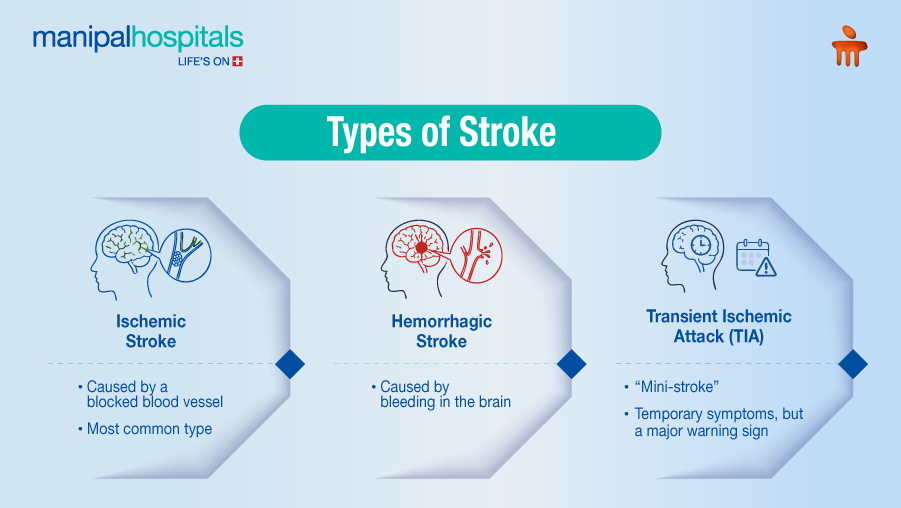
The most common cause of stroke in young adults is usually an ischemic stroke, where blood flow to the brain becomes blocked due to a clot. However, the underlying triggers can differ from those in older populations.
Common causes include:
Ischemic Stroke Causes
The most frequent ischemic stroke causes include:
-
Blood clots travelling from the heart
-
Narrowed blood vessels
-
High cholesterol plaque buildup
-
Congenital heart defects
-
Irregular heart rhythms such as atrial fibrillation
Other medical conditions that may increase risk include:
-
Autoimmune disorders
-
Blood clotting disorders
-
Migraine with aura
-
Vasculitis
-
Severe infections
Understanding the most common cause of stroke in young adults helps in identifying hidden risk factors early and preventing recurrence.
Stroke Risk Factors Young Adults Often Overlook
Many younger individuals assume they are healthy because they are physically active or do not have an obvious illness. However, several silent conditions may increase the likelihood of stroke.
Key stroke risk factors include:
-
Diabetes
-
Smoking
-
Obesity
-
Chronic stress
-
Family history of stroke
-
Lack of exercise
-
Poor dietary habits
-
High cholesterol
-
Sleep apnoea
Repeated transient ischemic attacks (mini-strokes) may also precede a major stroke. Ignoring recurring dizziness, speech difficulty, or weakness can be dangerous.
Our neurologists in Delhi emphasise preventive neurological screening for younger adults with multiple lifestyle-related risks.
How Stroke Is Diagnosed Quickly
Early diagnosis is critical because stroke treatment is highly time-sensitive. Patients reaching the hospital within the golden window have significantly better outcomes.
Diagnostic evaluations may include:
-
CT scan
-
MRI brain imaging
-
Carotid Doppler studies
-
Echocardiography
-
Blood investigations
-
Angiography
Rapid evaluation helps doctors determine whether the stroke is ischemic or haemorrhagic and begin immediate intervention.
Our neurology expert in Delhi uses advanced neuroimaging techniques to identify the exact cause and location of brain injury for personalised treatment planning.
Advanced Brain Stroke Treatment in Delhi
Modern brain stroke treatment in Delhi has evolved significantly with minimally invasive and time-sensitive interventions that improve recovery chances.
Treatment depends on the type and severity of the stroke.
Emergency Treatments Include:
-
Clot-busting thrombolytic therapy
-
Mechanical thrombectomy
-
Blood pressure stabilisation
-
Neurocritical care monitoring
-
Brain swelling management
For ischemic strokes, immediate restoration of blood flow is essential. Advanced stroke centres now use catheter-based procedures to remove clots from blocked arteries.
Our neurologists in Delhi focus on delivering rapid emergency care within the critical treatment window to minimise permanent neurological damage.
Stroke in Young Adults Recovery: What to Expect
Recovery varies depending on the severity of brain injury, treatment timing, and rehabilitation support. The encouraging aspect is that younger brains often have better neuroplasticity, allowing improved functional recovery compared to older patients.
Stroke in Young Adults Recovery Often Includes:
-
Physiotherapy
-
Speech therapy
-
Occupational rehabilitation
-
Cognitive therapy
-
Lifestyle modification programmes
The earlier rehabilitation begins, the better the chances of regaining independence.
Patients recovering from stroke should focus on:
-
Blood pressure control
-
Smoking cessation
-
Healthy diet
-
Stress management
-
Regular physical activity
-
Medication adherence
Comprehensive rehabilitation plays a major role in improving stroke in young adults recovery outcomes and reducing recurrence risk.
Can Stroke in Young Adults Be Prevented?
In many cases, yes. Awareness and lifestyle modification remain the strongest preventive tools.
You can lower your risk by:
-
Monitoring blood pressure regularly
-
Managing diabetes and cholesterol
-
Avoiding tobacco and recreational drugs
-
Maintaining a healthy weight
-
Exercising regularly
-
Reducing stress levels
-
Getting adequate sleep
-
Seeking medical attention for recurring neurological symptoms
Importantly, never ignore repeated episodes resembling stroke symptoms in young adults, even if they disappear quickly.
Our neurologists in Delhi strongly recommend annual health evaluations for individuals with family history, hypertension, obesity, or sedentary lifestyles.
When Should You See a Neurologist Immediately?
Seek urgent medical care if you experience:
-
Sudden weakness
-
Facial asymmetry
-
Slurred speech
-
Sudden vision loss
-
Severe unexplained headache
-
Difficulty walking
-
Sudden confusion
Time is critical during a stroke. Delaying hospital treatment can lead to irreversible brain damage within minutes.
Our neurologists in Delhi provide comprehensive stroke evaluation, emergency intervention, and long-term rehabilitation support for younger stroke patients.
Conclusion
The increasing prevalence of stroke among adults under 45 highlights the urgent need for awareness, prevention, and early intervention. Recognising stroke symptoms in young adults early can save lives and dramatically improve recovery outcomes.
With advanced diagnostics, emergency intervention, and specialised brain stroke treatment in Delhi, many young stroke patients can regain independence and return to normal life. Understanding the most common cause of stroke in young adults, managing stroke risk factors, and seeking immediate neurological care remain the most effective strategies for prevention and recovery.
FAQ's
Early signs include facial drooping, arm weakness, speech difficulty, dizziness, confusion, severe headache, and sudden numbness on one side of the body.
The most common cause of stroke in young adults is ischemic stroke caused by blood clots, often linked to hypertension, smoking, heart conditions, or cholesterol buildup.
Yes, many patients experience good recovery outcomes with early treatment, rehabilitation, physiotherapy, and lifestyle modification.
Some ischemic stroke causes in younger adults include congenital heart disease, clotting disorders, autoimmune diseases, migraine with aura, and lifestyle-related vascular disease.
Specialised neurology centres offering advanced brain stroke treatment in Delhi provide emergency stroke care, clot removal procedures, neurocritical care, and rehabilitation support for young stroke patients.
Share this article on: