10 Min Read
Heart diseases remain one of the leading causes of health complications worldwide, and damaged heart valves are becoming increasingly common among adults and senior citizens. Fortunately, modern aortic valve replacement procedures have transformed outcomes for patients struggling with severe valve disorders, helping them regain a healthier and more active life.
Whether caused by ageing, congenital conditions, infections, or calcification, valve disease can significantly affect blood circulation and heart efficiency. Today, advanced heart valve replacement surgery options in India offer world-class treatment with excellent success rates, experienced cardiac teams, and comparatively affordable costs.
This comprehensive guide explains everything you need to know about aortic valve replacement, including types of surgeries, symptoms, risks, recovery timelines, expected costs, and expert recommendations from our cardiologists in Gurugram.
Synopsis
- What Is Aortic Valve Replacement?
- Common Symptoms That May Indicate the Need for Heart Valve Replacement Surgery
- Causes of Aortic Valve Damage
- Types of Heart Valve Replacement Surgery
- Transcatheter Aortic Valve Replacement (TAVR/TAVI)
- Mechanical vs Biological Valves in Aortic Valve Replacement
- Mitral Valve Surgery: When Is It Needed?
- Who Is an Ideal Candidate for Aortic Valve Replacement?
- Diagnostic Tests Before Heart Valve Replacement Surgery
- Heart Valve Replacement Cost in India
- Recovery After Aortic Valve Replacement
- Risks Associated With Heart Valve Replacement Surgery
- Why Early Treatment Matters
- Lifestyle Changes After Heart Valve Replacement
- Final Thoughts
What Is Aortic Valve Replacement?
The aortic valve controls blood flow from the heart to the body. When this valve becomes narrowed (aortic stenosis) or leaky (aortic regurgitation), the heart must work harder to pump blood effectively.
An aortic valve replacement is a specialised cardiac procedure in which the damaged valve is replaced with an artificial or biological valve to restore proper blood circulation.
Doctors typically recommend aortic valve replacement when medications and lifestyle changes are no longer sufficient to manage symptoms or prevent complications.
Common Symptoms That May Indicate the Need for Heart Valve Replacement Surgery
Many people ignore early warning signs until the condition becomes severe. Seeking timely consultation can prevent heart failure and other complications.
Symptoms include:
-
Chest pain or tightness
-
Breathlessness during activity
-
Fatigue and reduced stamina
-
Dizziness or fainting episodes
-
Swelling in the ankles or legs
-
Difficulty performing routine activities
If these symptoms persist, our cardiologists in Gurugram may recommend advanced diagnostic testing to determine whether heart valve replacement surgery is required.
Causes of Aortic Valve Damage
Several conditions can damage the heart valves over time.
Common causes include:
-
Age-related valve calcification
-
Congenital heart defects
-
Rheumatic heart disease
-
Infective endocarditis
Early diagnosis significantly improves the success of aortic valve replacement and reduces long-term cardiac risks.
Types of Heart Valve Replacement Surgery
Different surgical approaches are available depending on the patient's age, heart condition, and overall health status.
Surgical Aortic Valve Replacement (SAVR)
This is the conventional open-heart approach for aortic valve replacement. The surgeon removes the damaged valve and replaces it with a prosthetic valve.
SAVR is highly effective and suitable for many patients with severe valve disease.
Advantages:
-
Long-term durability
-
Excellent success rates
-
Proven surgical outcomes
Transcatheter Aortic Valve Replacement (TAVR/TAVI)
TAVR is a minimally invasive form of aortic valve replacement performed using a catheter inserted through a blood vessel.
It is especially beneficial for elderly patients or those considered high-risk for open-heart surgery.
Benefits:
-
Smaller incision
-
Reduced hospital stay
-
Faster recovery
-
Lower surgical trauma
Many patients today prefer minimally invasive heart valve replacement surgery because of quicker rehabilitation and improved comfort.
Mechanical vs Biological Valves in Aortic Valve Replacement
Choosing the right valve is a critical decision during aortic valve replacement.
|
Valve Type |
Advantages |
Considerations |
|
Mechanical Valve |
Highly durable |
Requires lifelong blood thinners |
|
Biological Valve |
More natural blood flow |
May require replacement after several years |
The choice depends on age, lifestyle, medical history, and recommendations from our cardiologists in Gurugram.
Mitral Valve Surgery: When Is It Needed?
Apart from the aortic valve, the mitral valve may also become damaged due to prolapse, stenosis, or regurgitation.
In such cases, doctors may recommend mitral valve surgery to repair or replace the affected valve.
Modern mitral valve surgery techniques often use minimally invasive approaches, reducing recovery time and surgical complications.
Patients undergoing mitral valve surgery usually experience significant improvements in breathing capacity, circulation, and quality of life.
Who Is an Ideal Candidate for Aortic Valve Replacement?
You may require aortic valve replacement if diagnostic tests reveal:
-
Severe aortic stenosis
-
Symptomatic valve disease
-
Reduced heart pumping efficiency
-
Progressive valve deterioration
-
Recurrent chest pain or fainting
Comprehensive cardiac evaluation helps determine the most suitable treatment plan.
Diagnostic Tests Before Heart Valve Replacement Surgery
Before proceeding with heart valve replacement surgery, specialists may perform:
-
Echocardiography
-
ECG
-
Cardiac CT scan
-
Chest X-ray
-
Cardiac catheterisation
-
Blood investigations
These tests help evaluate valve function and overall cardiac health.
Heart Valve Replacement Cost in India
One of the major advantages of seeking treatment in India is access to advanced cardiac care at comparatively affordable pricing.
The heart valve replacement cost in india depends on several factors, including:
-
Type of valve used
-
Surgical approach
-
Hospital infrastructure
-
ICU stay duration
-
Surgeon expertise
-
Patient health condition
On average, the heart valve replacement cost in india may range between INR 2.5 lakhs and INR 8 lakhs depending on the complexity of the procedure.
Minimally invasive procedures and robotic techniques may influence the overall heart valve replacement cost in india.
Recovery After Aortic Valve Replacement
Recovery after aortic valve replacement varies from patient to patient.
Typical recovery timeline:
|
Recovery Stage |
Expected Duration |
|
ICU Monitoring |
1–2 days |
|
Hospital Stay |
5–10 days |
|
Initial Home Recovery |
4–6 weeks |
|
Full Recovery |
2–3 months |
Following medical instructions carefully is essential for optimal healing.
Recovery Tips:
-
Take medications regularly
-
Attend follow-up appointments
-
Follow a heart-healthy diet
-
Avoid smoking and alcohol
-
Gradually increase physical activity
-
Participate in cardiac rehabilitation
With proper care, most patients resume normal daily activities successfully after aortic valve replacement.
Risks Associated With Heart Valve Replacement Surgery
Like any major cardiac procedure, heart valve replacement surgery carries some risks.
Possible complications include:
-
Bleeding
-
Infection
-
Blood clots
-
Irregular heartbeat
-
Valve dysfunction
-
Stroke
However, advances in cardiac technology and experienced surgical teams have significantly improved safety outcomes.
Timely intervention from our heart specialist in Gurugram can help minimise complications and improve long-term heart function.
Why Early Treatment Matters
Delaying treatment for severe valve disease can increase the risk of:
-
Heart failure
-
Sudden cardiac arrest
-
Pulmonary hypertension
-
Organ damage
-
Reduced survival rates
Early consultation with our cardiologists in Gurugram ensures accurate diagnosis and timely intervention before the condition worsens.
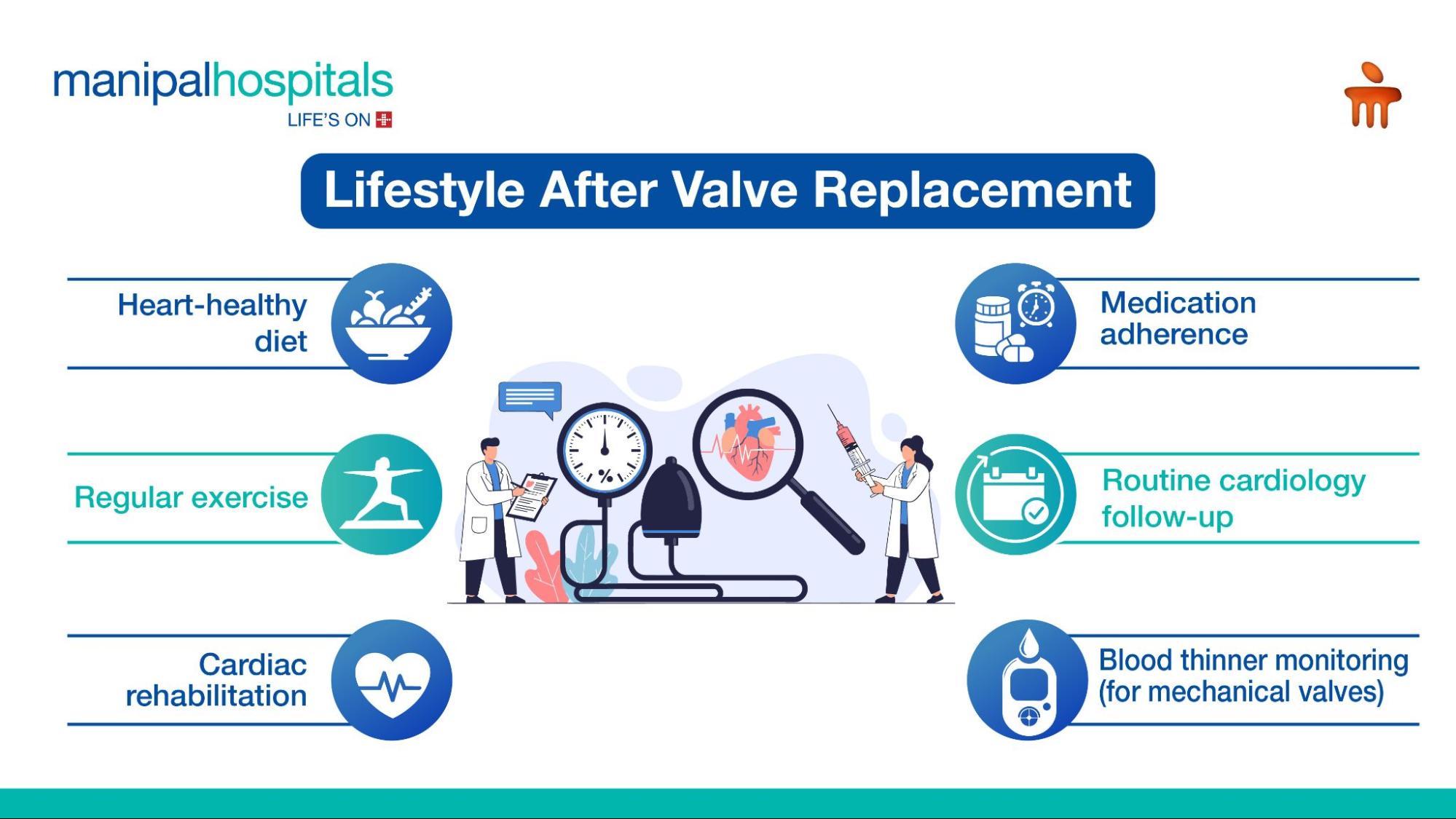
Lifestyle Changes After Heart Valve Replacement
Long-term success after aortic valve replacement also depends on healthy lifestyle choices.
Important lifestyle recommendations:
-
Maintain healthy blood pressure
-
Follow a low-salt diet
-
Control cholesterol levels
-
Manage diabetes effectively
-
Maintain a healthy body weight
-
Reduce stress levels
Adopting these habits improves both heart health and surgical outcomes.
Final Thoughts
Advancements in cardiac surgery have made aortic valve replacement safer, more effective, and increasingly accessible for patients across all age groups. Early diagnosis, timely intervention, and expert cardiac care can dramatically improve both survival and quality of life.
Whether you require conventional surgery, minimally invasive treatment, or specialised mitral valve surgery, consulting experienced cardiac experts is essential for the best outcomes.
FAQ's
Aortic valve replacement is a major cardiac procedure, but modern surgical techniques and experienced cardiac teams have made it highly safe and successful for eligible patients.
Most patients recover within 6–12 weeks after heart valve replacement surgery, although complete recovery may vary depending on age and overall health.
Minimally invasive procedures offer faster recovery and smaller incisions. However, the best option depends on the patient’s condition and surgical suitability.
Mechanical valves can last for several decades but may require lifelong blood-thinning medication, while biological valves typically last 10–20 years and may eventually need replacement.
Yes. Most individuals can return to normal daily activities and enjoy improved quality of life after successful aortic valve replacement and proper rehabilitation.
Share this article on:


.webp "Liver Cancer Treatment")


--What-Every-Prostate-Cancer-Patient-Should-Know.webp "Prostate Cancer Surgery: LRP Procedure & Recovery Guide")