6 Min Read
High blood pressure, medically known as hypertension, is a pervasive health concern affecting a significant portion of the global and Indian population. It's often dubbed the "silent killer" because it typically presents with no obvious symptoms, yet it can lead to severe health complications if left unchecked. In India, a staggering one in four adults grapples with hypertension, highlighting the urgent need for awareness, prevention, and effective management. At Manipal Hospitals, our dedicated team of cardiologists in Gurugram is at the forefront of combating this condition, providing expert care and guidance to help you maintain optimal heart health.
Understanding high blood pressure, its causes, risks, and how to prevent it is crucial for a healthier life. This comprehensive guide from Manipal Hospitals equips you with the knowledge needed to take control of your cardiovascular health.
Synopsis
Understanding High Blood Pressure: The Silent Threat
Blood pressure is the force of your blood pushing against the walls of your arteries as your heart pumps blood. When this pressure remains consistently too high, it leads to high blood pressure. A normal blood pressure range is generally considered to be below 120/80 mmHg (millimetres of mercury). The top number (systolic) measures the pressure when your heart beats, and the bottom number (diastolic) measures the pressure when your heart rests between beats.
-
Normal: Less than 120/80 mmHg
-
Elevated: Systolic between 120-129 mmHg and diastolic less than 80 mmHg
-
Hypertension Stage 1: Systolic between 130-139 mmHg or diastolic between 80-89 mmHg
-
Hypertension Stage 2: Systolic 140 mmHg or higher or diastolic 90 mmHg or higher
-
Hypertensive Crisis: Systolic higher than 180 mmHg and/or diastolic lower than 120 mmHg (requires immediate medical attention)
The long-term impact of uncontrolled hypertension can be profound, silently damaging your blood vessels and vital organs, including your heart, brain, kidneys, and eyes. Early detection and consistent blood pressure monitoring are vital for preventing these severe outcomes.
Recognising the Causes of High Blood Pressure
The causes of high blood pressure can vary, and often, no single identifiable cause is found. It's broadly categorised into two main types:
Primary (Essential) Hypertension
For about 90-95% of adults with high blood pressure, there’s no specific, identifiable cause. This type, known as primary or essential hypertension, tends to develop gradually over many years. Researchers believe it’s a result of a combination of genetic predispositions, environmental factors, and lifestyle choices. For instance, individuals with a family history of hypertension are more likely to develop it themselves. Ongoing research continually deepens our understanding of the complex interplay of factors contributing to essential hypertension, allowing for more targeted prevention and hypertension treatment strategies.
Secondary Hypertension
This type of high blood pressure is caused by an underlying condition or medication. It tends to appear suddenly and often causes higher blood pressure than primary hypertension. Addressing the root cause can often resolve secondary hypertension. Conditions and factors that can lead to secondary hypertension include:
-
Kidney Disease: Impaired kidney function can lead to fluid retention and increased blood pressure.
-
Adrenal Gland Tumours: These can cause an overproduction of hormones that raise blood pressure.
-
Thyroid Problems: Both an overactive (hyperthyroidism) and an underactive (hypothyroidism) thyroid can impact blood pressure.
-
Congenital Defects of the Aorta: A narrowing of the aorta present at birth can increase pressure.
-
Obstructive Sleep Apnoea: Repeated pauses in breathing during sleep can raise blood pressure levels.
-
Certain Medications: Such as oral contraceptives, some cold remedies, decongestants, over-the-counter pain relievers, and some prescription drugs.
-
Illegal Drugs: Cocaine and amphetamines can drastically increase blood pressure.
Key Risk Factors for High Blood Pressure
While some risk factors for high blood pressure are beyond our control, many can be managed or modified to significantly reduce your risk. Awareness of these factors is the first step towards prevention.
Modifiable Risk Factors
These are lifestyle choices and conditions that you can influence:
-
Unhealthy Diet: A diet high in sodium, saturated fats, and trans fats, and low in potassium, can increase blood pressure. Embracing heart-healthy eating patterns, such as the DASH (Dietary Approaches to Stop Hypertension) diet, has shown remarkable success, with studies indicating a potential reduction in systolic blood pressure by up to 11 mmHg.
-
Lack of Physical Activity: Inactive individuals tend to have higher heart rates, forcing the heart to work harder with each contraction. Regular exercise can lower blood pressure by 4 to 9 mmHg.
-
Obesity: Carrying excess weight increases the amount of blood needed to supply oxygen and nutrients to your tissues, which means your heart has to pump harder. Losing even a small amount of weight can make a big difference, with a 5-10% weight reduction often leading to significant blood pressure improvements.
-
Excessive Alcohol Consumption: Heavy drinking can significantly raise blood pressure. Moderation is key – up to one drink per day for women and up to two drinks per day for men.
-
Smoking: Nicotine temporarily raises blood pressure and damages the lining of artery walls, narrowing them and increasing the risk of heart disease. Quitting smoking can dramatically reduce your risk of heart-related complications by 50% within just one year.
-
Stress: High levels of stress can lead to temporary spikes in blood pressure. Chronic stress can also contribute to unhealthy habits that increase risk.
Non-Modifiable Risk Factors
These factors cannot be changed, but understanding them can help you manage your overall risk:
-
Age: The risk of high blood pressure increases as you age. Men are more likely to develop it around age 45, while women are more likely after age 65.
-
Family History/Genetics: High blood pressure often runs in families. If your parents or close relatives have it, you're at a higher risk.
-
Race: High blood pressure is particularly prevalent and severe among certain ethnic groups, often developing earlier in life.
Symptoms of High Blood Pressure: What to Look For
As mentioned, high blood pressure is often asymptomatic, which is why regular blood pressure monitoring is so important. However, in some cases, particularly when blood pressure reaches dangerously high levels, certain symptoms may appear:
-
Nosebleeds
-
Visual changes
-
Blood in the urine
If you experience any of these symptoms, especially a sudden onset, it is crucial to seek immediate medical attention. Do not wait for an appointment; go to the nearest emergency department.
Prevention and Management Strategies
Preventing and managing high blood pressure involves a multi-pronged approach, combining healthy lifestyle choices with, if necessary, medical intervention. The success rate for controlling hypertension through a combination of lifestyle changes and appropriate medication is remarkably high, with over 70% of patients achieving their target blood pressure goals under consistent care.
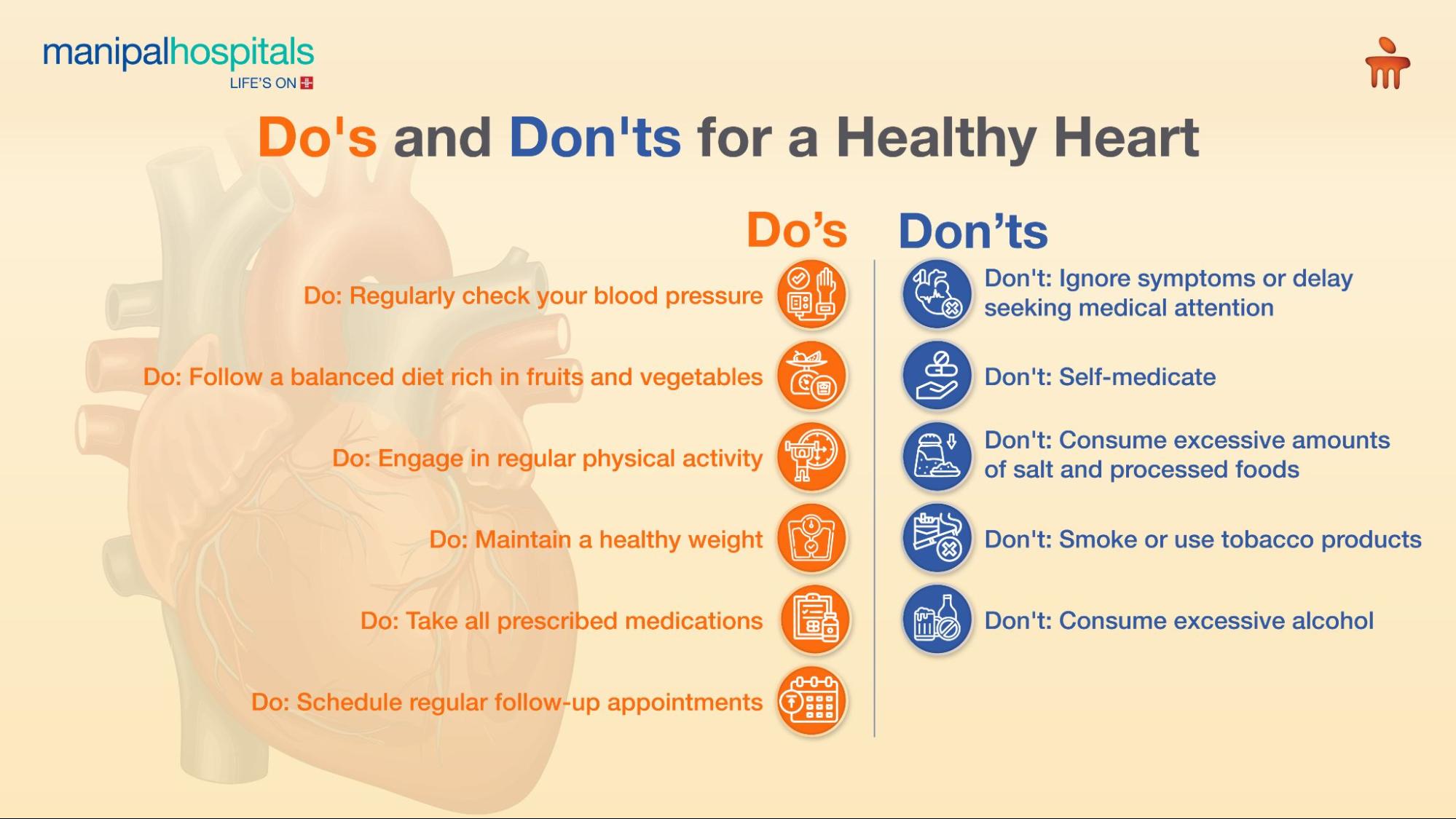
Lifestyle Modifications
Making positive changes to your daily routine can significantly impact your blood pressure:
-
Eat a Heart-Healthy Diet: Focus on whole grains, fruits, vegetables, lean protein, and low-fat dairy. Reduce intake of salt, sugar, and unhealthy fats.
-
Regular Physical Activity: Aim for at least 150 minutes of moderate-intensity aerobic activity or 75 minutes of vigorous-intensity activity per week. Even 30 minutes of brisk walking most days can yield substantial benefits.
-
Maintain a Healthy Weight: Achieve and maintain a body mass index (BMI) within the healthy range.
-
Limit Alcohol: If you drink alcohol, do so in moderation.
-
Quit Smoking: This is one of the most impactful steps you can take for your heart health.
-
Manage Stress: Practise stress-reduction techniques such as meditation, yoga, or spending time in nature.
Regular Blood Pressure Monitoring
Knowing your numbers is power. Regular checks, whether at home or during doctor visits, are key to early detection and effective management. Home blood pressure monitoring devices are widely available and can provide valuable data for you and your healthcare provider. Discuss the frequency and technique for blood pressure monitoring with our cardiologists in Gurugram.
Medical Treatment Options
When lifestyle changes aren't enough, your doctor may recommend medications for high blood pressure. There are several types of medications available, each working differently to lower blood pressure. Your doctor will determine the most suitable option based on your overall health, the severity of your hypertension, and any other medical conditions you may have. Adherence to prescribed medication, coupled with lifestyle changes, has been shown to reduce the risk of stroke by 35-40% and heart attack by 20-25%.
If you are experiencing symptoms or are concerned about your blood pressure, it's crucial to seek timely medical advice. Manipal Hospitals is committed to providing exceptional cardiac care. Book an appointment with our expert cardiologists at Manipal Hospitals today and take the first step towards a healthier heart.
FAQ's
A normal blood pressure reading is generally less than 120/80 mmHg. Readings consistently above this indicate elevated blood pressure or hypertension, requiring medical attention.
While often not curable, high blood pressure is highly manageable. Through lifestyle changes and, if necessary, medication, it can be effectively controlled to prevent complications and allow for a healthy, full life.
The frequency of home blood pressure monitoring depends on your condition and your doctor's advice. Generally, if you have high blood pressure, monitoring once or twice a day at the same time each day is recommended.
Uncontrolled high blood pressure can lead to severe health complications, including heart attack, stroke, heart failure, kidney disease, vision loss, and peripheral artery disease.
While certain lifestyle changes like diet, exercise, and stress reduction are natural and effective ways to lower blood pressure, there are no "natural remedies" that should replace prescribed medical treatment.
Share this article on:


.webp "Liver Cancer Treatment")


--What-Every-Prostate-Cancer-Patient-Should-Know.webp "Prostate Cancer Surgery: LRP Procedure & Recovery Guide")