7 Min Read
Your heart is a vital organ, tirelessly working to keep you alive. When it signals distress, understanding those signals can be life-saving. Heart bypass surgery, also known as Coronary Artery Bypass Grafting (CABG), is a crucial procedure for individuals facing severe heart blockages. Recognising the heart blockage symptoms early and knowing when to act can significantly improve outcomes. Our expert cardiologists in Gurugram are dedicated to providing world-class cardiac care, guiding you through every step, from diagnosis to recovery.
Synopsis
Understanding Coronary Artery Disease (CAD)
Coronary Artery Disease (CAD) is a common heart condition where the major blood vessels that supply the heart become damaged and narrowed. This narrowing is often due to the buildup of plaque, a process called atherosclerosis. CAD is a leading cause of heart attacks globally, affecting millions. Early recognition of coronary artery disease symptoms is crucial for intervention.
-
Silent Threat: Many individuals may not experience noticeable symptoms in the early stages.
-
Progressive Disease: Over time, as plaque accumulates, blood flow to the heart muscle reduces, leading to symptoms.
-
Prevalence: According to the World Health Organisation, cardiovascular diseases are the leading cause of death globally, accounting for an estimated 17.9 million lives each year.
Warning Signs: When Your Heart Needs Help
Paying attention to your body's signals is paramount. These heart blockage symptoms can indicate that your heart is struggling and may warrant a consultation regarding bypass surgery. Do not ignore these warning signs.
-
Chest Pain (Angina): This is the most common symptom. It can feel like pressure, tightness, squeezing, or aching in your chest. It often occurs during physical exertion or emotional stress and subsides with rest. Understanding various chest pain causes is vital, but persistent or severe chest pain should always be evaluated.
-
Shortness of Breath: You might feel breathless during activity or even at rest if your heart isn't pumping enough blood to meet your body's needs.
-
Pain in Other Body Parts: The pain can radiate to your left arm, shoulder, back, neck, jaw, or stomach.
-
Fatigue: Unusual and persistent tiredness, especially during exertion, can be a sign of reduced blood flow to the heart.
-
Dizziness or Lightheadedness: Feeling faint or dizzy could indicate that your heart isn't adequately supplying blood to your brain.
-
Nausea or Indigestion: Sometimes, heart-related chest pain can be mistaken for heartburn, indigestion, or stomach discomfort.
If you experience any of these symptoms, especially if they are severe, recurrent, or worsen, seeking immediate medical attention from specialists like our cardiologists in Gurugram is critical.
What is Heart Bypass Surgery (CABG)?
Heart bypass surgery is a surgical procedure performed to improve blood flow to the heart muscle. It involves taking a healthy blood vessel from another part of the body (typically the leg, arm, or chest) and grafting it onto the blocked coronary artery, bypassing the narrowed or blocked section. This creates a new pathway for blood to flow, restoring oxygen and nutrient delivery to the heart.
The primary CABG indications include:
-
Severe narrowing of multiple major coronary arteries.
-
Significant blockage of the left main coronary artery.
-
Angina that is not relieved by medication or less invasive procedures like angioplasty.
-
Patients with diabetes or poor pumping function of the heart often benefit from CABG, which often offers better long-term outcomes than other interventions.
Manipal Hospitals boasts a remarkable success rate for CABG procedures, with studies showing over 95% of patients experiencing significant improvement in symptoms and quality of life post-surgery, allowing them to lead fuller, more active lives.
The Heart Bypass Procedure: A Step-by-Step Overview
Understanding the procedure can help alleviate anxiety. While specifics vary, a general outline includes:
-
Preparation: Before surgery, extensive tests are conducted to assess your overall health and heart condition.
-
Anaesthesia: The surgery is performed under general anaesthesia, ensuring you are unconscious and pain-free throughout.
-
Grafting: The surgeon makes an incision in the chest to access the heart. A healthy blood vessel (graft) is harvested from another part of your body.
-
Bypass Creation: The graft is then attached to the coronary artery above and below the blockage, creating a new route for blood flow.
-
Closure: Once the bypasses are in place, the chest incision is closed.
Recovery and Rehabilitation: Your Path to a Healthier Heart
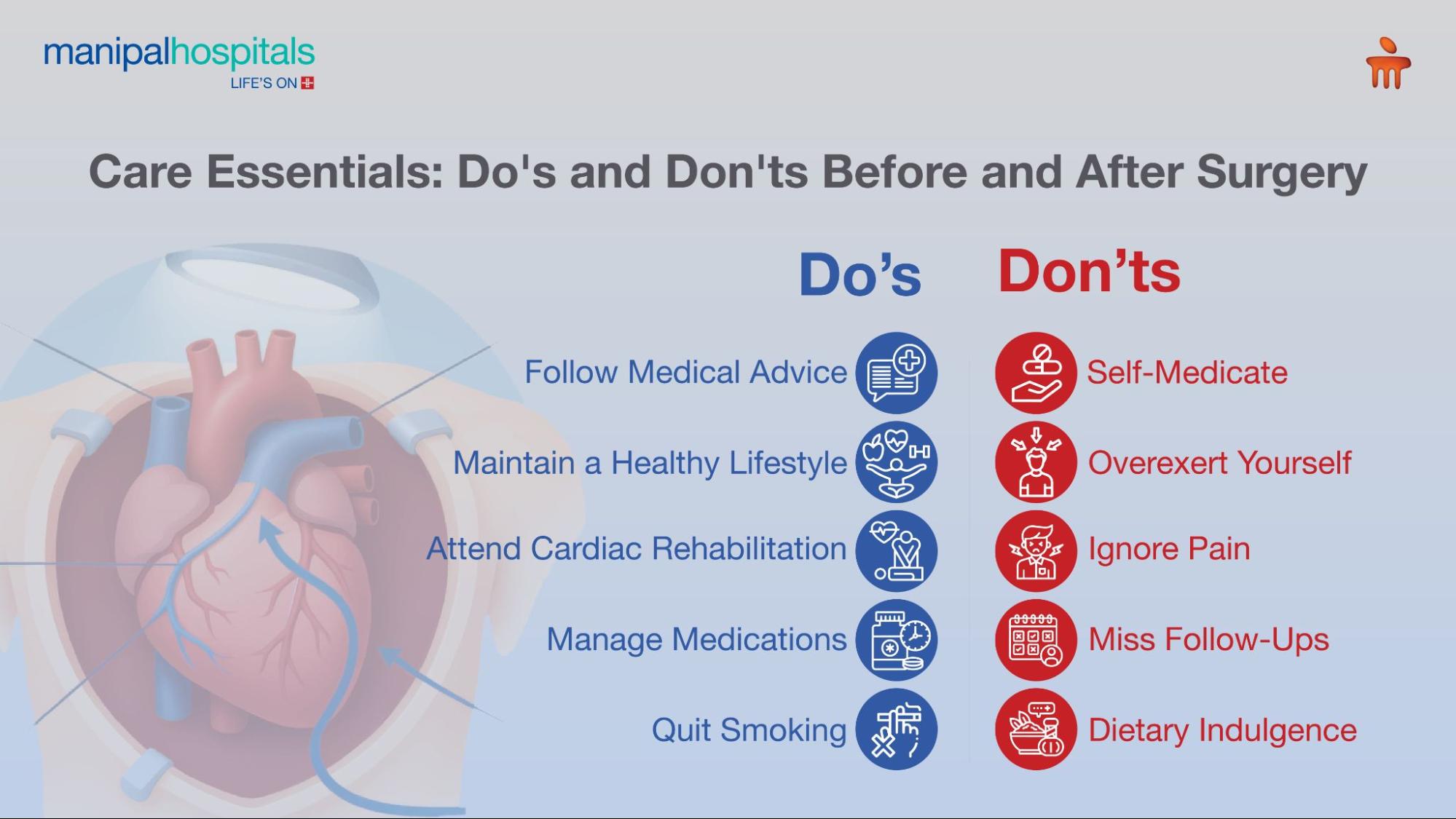
Recovery after heart bypass surgery is a gradual process. Most patients spend several days in the hospital, followed by several weeks of recovery at home. Cardiac rehabilitation plays a pivotal role, helping you regain strength, improve cardiovascular health, and make sustainable lifestyle changes. Patients who complete a cardiac rehabilitation program demonstrate a 25-30% reduction in mortality risk and report significantly better quality of life within a year of surgery.
With commitment to recovery and the ongoing support of medical professionals, individuals can look forward to a significantly improved quality of life, reduced symptoms, and a healthier heart for years to come. Our cardiologists in Gurugram provide comprehensive post-operative care, ensuring you have the support needed for a smooth recovery.
If you are experiencing any of these heart blockage symptoms or have concerns about your heart health, it's crucial to seek timely medical advice. Book an appointment with our expert cardiologist at Manipal Hospitals today and take the first step towards a healthier heart.
FAQ's
Key warning signs include persistent chest pain (angina), shortness of breath, fatigue, and pain radiating to the arms, neck, jaw, or back, especially during exertion. These are common heart blockage symptoms.
Yes, heart bypass surgery is one of the most common major surgeries performed globally for treating severe coronary artery disease.
The initial hospital stay is usually 5-7 days. Full recovery can take 6-12 weeks, with ongoing cardiac rehabilitation for several months to optimise outcomes.
Depending on the severity and location of blockages, alternatives might include medication management, lifestyle changes, or less invasive procedures like angioplasty and stenting. Your cardiologist will determine the best course of action based on your specific condition.
Heart bypass surgery has a high success rate, with studies showing over 95% of patients experiencing significant improvement in symptoms and quality of life. Long-term outcomes are generally very good, especially with adherence to post-operative care and lifestyle changes.
Share this article on:


.webp "Liver Cancer Treatment")


--What-Every-Prostate-Cancer-Patient-Should-Know.webp "Prostate Cancer Surgery: LRP Procedure & Recovery Guide")