6 Min Read
Vulvodynia, a chronic pain condition causing persistent itching, burning, and soreness in the vulva, is often ignored by women. These distressing symptoms of vulvodynia, including intense vaginal itching worse at night or vaginal itching for months, can severely impact quality of life. Our gynaecologists in Delhi understand this challenge. Our dedicated team, including our gynaecologists in Delhi, provides expert care. Don't suffer in silence; our gynaecologists in Delhi are committed to helping. Early diagnosis by our gynaecologists in Delhi is key. Consult our gynaecologists in Delhi for effective relief.
Synopsis
Understanding Vulvodynia: More Than Just Discomfort
Vulvodynia is defined as chronic vulvar pain lasting for at least three months, with no identifiable cause or explanation. It's not an infection, a sexually transmitted disease, or a sign of poor hygiene, yet it affects an estimated 10-16% of women at some point in their lives. This condition can range from mild irritation to severe, debilitating pain, making everyday activities, intercourse, and even sitting uncomfortable. Recognising the symptoms of vulvodynia is the first step towards seeking help.
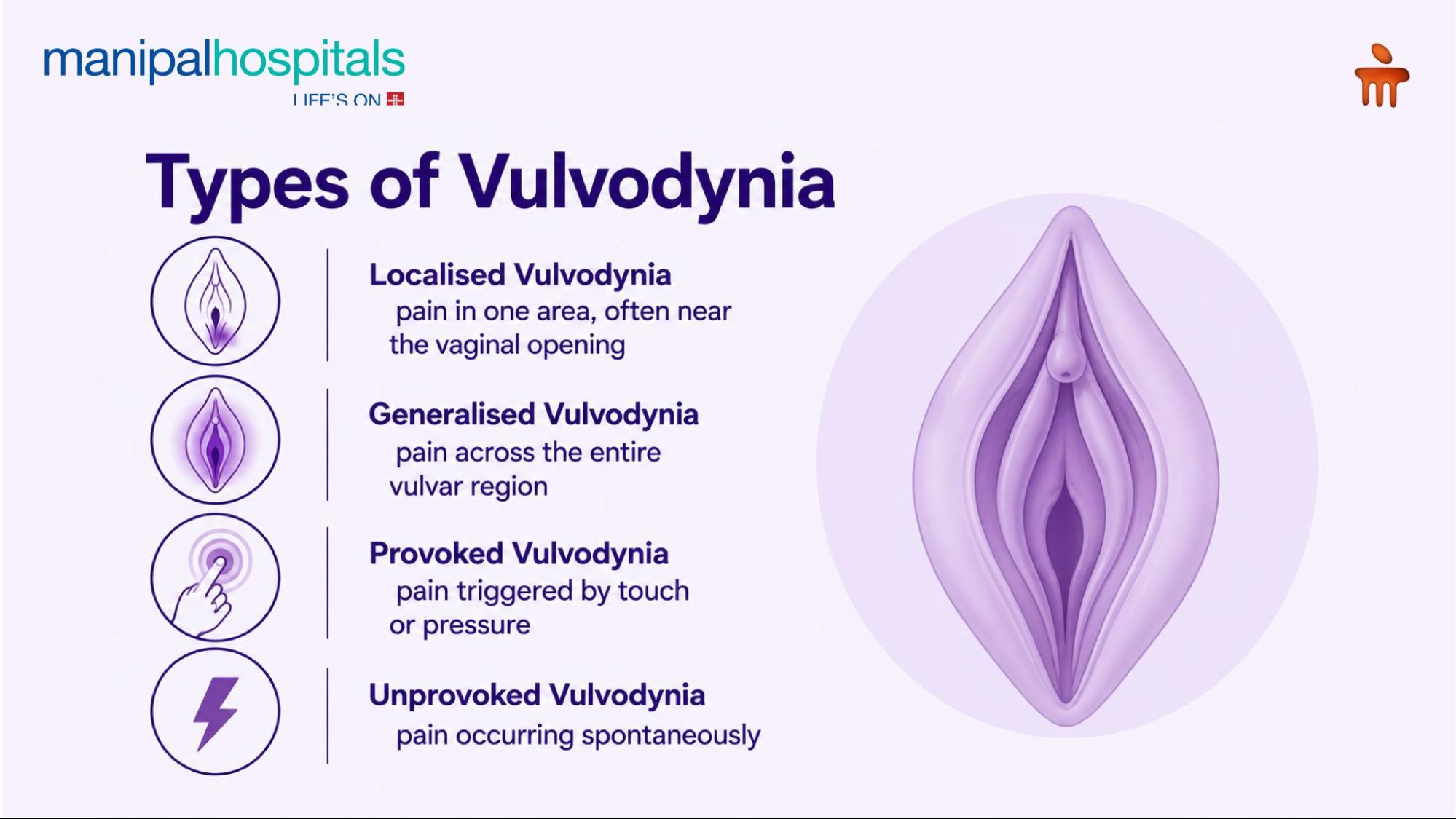
Unveiling the Symptoms of Vulvodynia: What to Look For
The hallmark of vulvodynia is pain, but its presentation can vary widely among individuals. Many women describe a constellation of symptoms that can significantly interfere with their daily lives. Understanding these signs is crucial for early detection and effective management.
-
Persistent Pain: This is the primary symptom and can manifest as burning, stinging, rawness, throbbing, aching, or soreness in the vulvar area. The pain can be constant or intermittent, localised to a specific area (like the clitoris or vestibule) or generalised across the entire vulva.
-
Intense Itching: Chronic and often severe itching is a common complaint. Many women experience vaginal itching worse at night, disrupting sleep and exacerbating discomfort throughout the day. This itching can persist for extended periods, leading to vaginal itching for months, often without relief from typical anti-itch remedies.
-
Skin Changes (or Lack Thereof): While some women may notice subtle redness or swelling, a frustrating aspect of vulvodynia is that the vulvar skin often appears completely normal, even in the presence of intense pain and itching. This can lead to dismissals by healthcare providers who are unfamiliar with the condition, further delaying diagnosis and appropriate care for these vaginal skin problems.
-
Painful Intercourse (Dyspareunia): For many, sexual activity becomes incredibly painful, ranging from initial discomfort upon penetration to deep, throbbing pain during or after intercourse. This can significantly strain relationships and impact emotional well-being.
-
Discomfort with Pressure: Simple acts like wearing tight clothing, sitting for extended periods, or inserting a tampon can trigger or worsen symptoms.
Exploring the Potential Causes of Vulvodynia
While the exact causes of vulvodynia remain elusive, research suggests a multifactorial origin. It's often not a single cause but a combination of factors that contribute to the development of this chronic pain condition. Some potential contributors include:
-
Nerve Injury or Irritation: Damage or irritation to the nerves supplying the vulvar area can lead to chronic pain signals.
-
Inflammation: An abnormal inflammatory response or an increased number of inflammatory cells in the vulvar tissues.
-
Hormonal Changes: Fluctuations or deficiencies in hormones, particularly estrogen, can sometimes play a role.
-
Pelvic Floor Muscle Dysfunction: Spasms or excessive tension in the pelvic floor muscles can contribute to pain and discomfort.
-
Genetic Predisposition: Some women may have a genetic predisposition to chronic pain or inflammatory conditions.
-
Recurrent Infections: While not a direct cause, a history of frequent infections, such as yeast infections or bacterial vaginosis, or chronic vaginal skin problems might sometimes lead to changes in nerve sensitivity or immune response, although these are typically treated as separate conditions from vulvodynia. Proper management of conditions like vaginitis, though different from vulvodynia, is important for overall vulvar health.
-
Allergies or Sensitivities: Reactions to certain chemicals in soaps, detergents, or feminine hygiene products, though less common as a primary cause.
When to Seek Help: The Importance of Early Diagnosis
Living with chronic vulvar pain can be incredibly isolating and frustrating. Many women delay seeking help due to embarrassment, misdiagnosis, or the belief that their symptoms are "normal" or untreatable. However, early and accurate diagnosis is key to effective management. If you are experiencing any of the symptoms of vulvodynia, especially persistent pain or vaginal itching for months, it is crucial to consult a specialist.
At Manipal Hospitals, our multidisciplinary team provides a comprehensive approach to diagnosing and managing vulvodynia, offering hope and relief. Over 70% of patients report significant improvement in symptoms and quality of life with tailored treatment plans.
Management and Treatment Approaches
While vulvodynia can be challenging, a range of effective management strategies can significantly alleviate symptoms and improve quality of life. Treatment is individualised and often involves a combination of approaches:
-
Topical and Oral Therapies: Tailored treatments to reduce nerve pain and inflammation.
-
Pelvic Floor Physical Therapy: Specialised exercises and techniques to relax overactive pelvic muscles.
-
Nerve Blocks and Injections: For localised, severe pain, targeted interventions can provide relief.
-
Lifestyle Modifications: Avoiding irritants, wearing breathable clothing, and using gentle hygiene practices are essential.
-
Psychological Support: Counselling or cognitive-behavioural therapy can help manage the emotional impact of chronic pain.
A comprehensive approach is typically employed to address all facets of the condition, offering a path towards improved comfort and well-being.
Conclusion
If you are experiencing persistent vulvar pain, itching, or any of these symptoms, it's crucial to seek timely medical advice. Book an appointment with our expert gynaecologists at Manipal Hospitals today.
FAQ's
No, vulvodynia is not rare. It's estimated that up to 16% of women may experience vulvodynia at some point in their lives, though it is often underdiagnosed.
While a complete "cure" isn't always possible, vulvodynia can be effectively managed. Many women experience significant relief from their symptoms and a substantial improvement in their quality of life with appropriate treatment.
Vaginitis is an inflammation of the vagina, usually caused by infection (bacterial, yeast, or trichomoniasis), leading to symptoms like discharge, itching, and odour. Vulvodynia, on the other hand, is chronic vulvar pain without a clear identifiable cause like an infection, though previous infections might contribute to nerve changes.
Yes, stress and anxiety can often exacerbate chronic pain conditions, including vulvodynia. Managing stress through techniques like mindfulness, meditation, or therapy can be a helpful part of a comprehensive treatment plan.
Vulvodynia typically does not affect fertility or the ability to carry a pregnancy. However, the pain associated with the condition can make conception difficult due to painful intercourse. Management during pregnancy should be discussed with your healthcare provider.
Share this article on:


_Care.webp "Robotic Surgery: A New Era in Uterine Cancer (Endometrial Cancer) Care")