8 Min Read
In the landscape of preventative healthcare, few procedures hold as much power as the colonoscopy test. Often misunderstood or feared, this routine screening is, in fact, one of the most effective tools we have in the fight against colon cancer, offering a straightforward path to early detection and even prevention. Our gastroenterologists in Delhi emphasise the profound impact this simple procedure can have on long-term health, transforming what could be a life-threatening diagnosis into a treatable condition.
Colon cancer remains a significant health concern globally, but its trajectory can be dramatically altered by timely intervention. This blog post aims to demystify the colonoscopy, explaining its importance, what to expect, and why it is a critical component of your health management. By understanding this vital screening, you can empower yourself to take proactive steps towards a healthier future.
Synopsis
- What Exactly is a Colonoscopy Test?
- Why is Early Detection Crucial for Colon Cancer?
- Who Should Consider a Colonoscopy?
- The Colonoscopy Procedure Steps: What to Expect
- Addressing Concerns: Is Colonoscopy Painful?
- Female Colonoscopy Procedure: Specific Considerations
- The Power of Prevention: Statistics That Speak Volumes
What Exactly is a Colonoscopy Test?
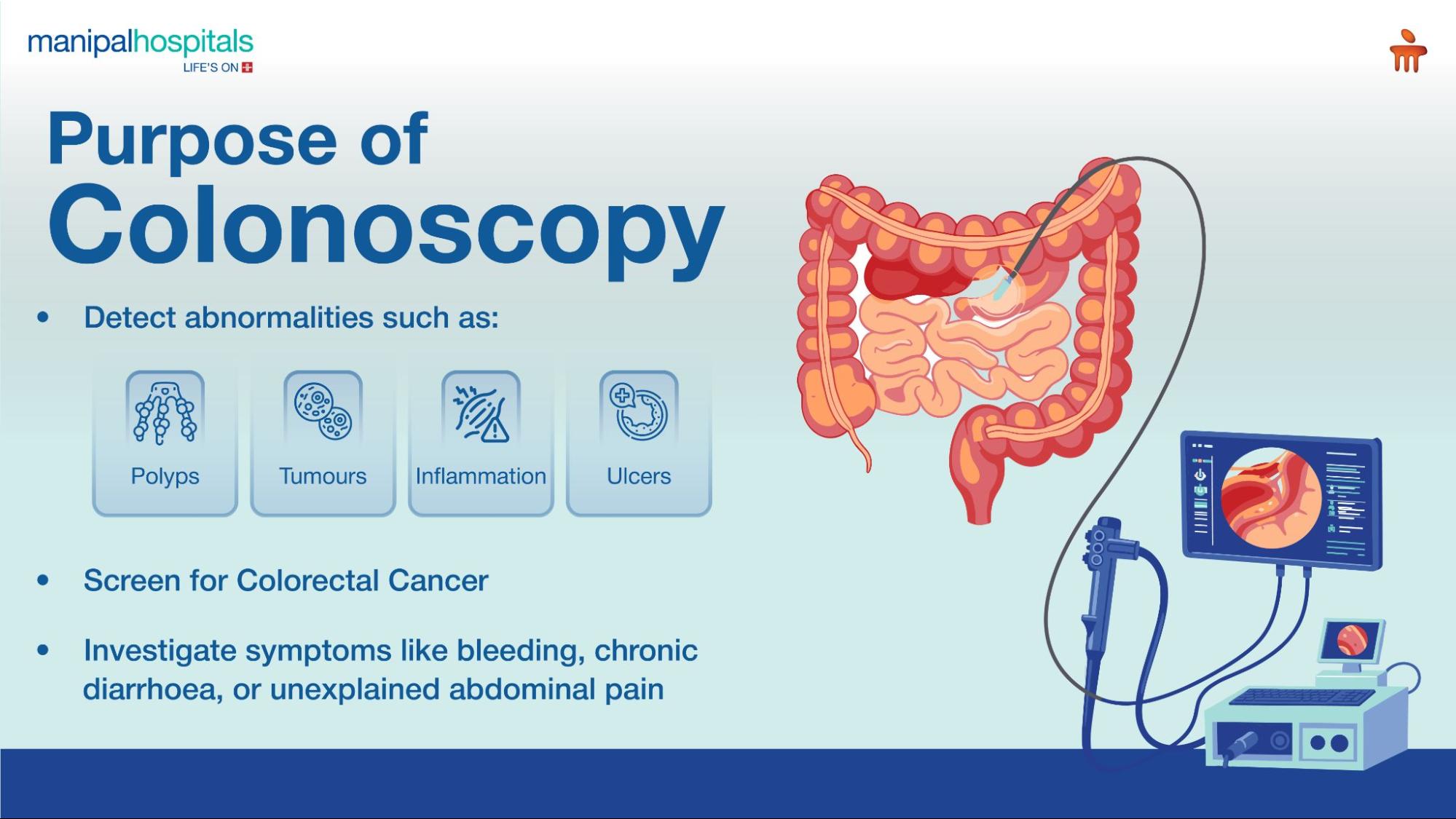
A colonoscopy test is a medical procedure used to examine the entire length of the large intestine (colon) and rectum. During the procedure, a long, flexible tube called a colonoscope, equipped with a tiny camera, is gently inserted into the rectum and advanced through the colon. This allows the doctor to visualise the inner lining of the colon for abnormalities such as polyps, inflammation, ulcers, or early signs of cancer.
Unlike other screening methods that only detect the presence of blood or provide an indirect view, a colonoscopy offers a direct, comprehensive examination. This direct visualisation is crucial because it allows for the immediate removal of suspicious growths, known as polyps, which are often benign but can develop into cancer over time. This ability to both detect and remove precancerous lesions makes the colonoscopy truly unique as a preventive measure, not just a diagnostic one. Studies show that a colonoscopy can prevent approximately 70% of colon cancer deaths by detecting and removing polyps before they turn cancerous.
Why is Early Detection Crucial for Colon Cancer?
The importance of early detection in colon cancer cannot be overstated. Colon cancer, when caught early, before it has spread, is highly treatable. The 5-year survival rate for localised colon cancer is approximately 90%. However, if the cancer is diagnosed at an advanced stage, after it has spread to distant parts of the body, the survival rate drops significantly to around 14%. This stark difference underscores why regular screening, particularly a comprehensive colon cancer screening test like a colonoscopy, is so vital.
Early detection means that treatment can be less invasive, more effective, and often leads to a better quality of life post-treatment. It allows for interventions like polyp removal during the colonoscopy itself, effectively stopping cancer before it even begins. This proactive approach saves lives and reduces the burden of advanced cancer treatments.
Who Should Consider a Colonoscopy?
The general recommendation for individuals at average risk is to begin regular colon cancer screening at age 45. However, several factors might necessitate earlier or more frequent screenings:
-
Family History: If you have a first-degree relative (parent, sibling, or child) who had colon cancer or polyps, your risk is elevated, and you may need to start screening earlier, often 10 years before the age your youngest relative was diagnosed.
-
Personal History: A history of inflammatory bowel disease (such as Crohn’s disease or ulcerative colitis), previous polyps, or certain genetic syndromes increases your risk.
-
Symptoms: Persistent changes in bowel habits, rectal bleeding, abdominal pain, unexplained weight loss, or anaemia should always prompt a discussion with your doctor, regardless of age. Our gastroenterologists in Delhi are equipped to assess these symptoms thoroughly.
Discussing your personal and family medical history with a healthcare professional is the first step to determining your appropriate screening schedule.
The Colonoscopy Procedure Steps: What to Expect
Understanding the colonoscopy procedure steps can help alleviate anxiety. The process is generally divided into three main phases:
Preparatory Phase
This is arguably the most crucial part of the procedure, as a clean colon is essential for accurate results. It typically involves:
-
Dietary Restrictions: Usually starting a few days before the procedure, you'll be asked to avoid certain foods like nuts, seeds, and high-fibre items.
-
Clear Liquid Diet: The day before, you'll switch to a diet of clear liquids (water, clear broths, clear juices, sports drinks, gelatin).
-
Bowel Preparation: You will be given a laxative solution to drink, often in two stages (the evening before and the morning of the procedure). This is designed to completely empty your bowels. While this stage can be inconvenient, it is vital for ensuring clear visibility during the examination.
During the Procedure
On the day of your colonoscopy, you will receive sedation, which means you will likely be drowsy or even asleep throughout the procedure. This is key to addressing concerns about "is colonoscopy painful".
-
You will lie on your side on an examination table.
-
The doctor will gently insert the colonoscope into your rectum and guide it through your large intestine.
-
Air or carbon dioxide is often pumped into the colon to inflate it slightly, providing a clearer view.
-
The camera transmits images to a monitor, allowing the doctor to meticulously examine the colon lining.
-
If polyps are found, they can be removed immediately using tiny instruments passed through the scope. Tissue samples (biopsies) can also be taken.
The procedure typically takes 30 to 60 minutes. Most patients report no memory of the procedure itself due to the sedation, with over 95% expressing satisfaction with their comfort levels.
After the Procedure
-
You will be monitored in a recovery area until the effects of the sedation wear off.
-
You might experience some mild cramping or bloating due to the air used during the procedure, which typically subsides quickly.
-
Because of the sedation, you will need someone to drive you home.
-
Most people can resume their normal diet and activities the next day. Your doctor will discuss the findings and any follow-up care needed.
Addressing Concerns: Is Colonoscopy Painful?
One of the most common questions and anxieties patients have is, "is colonoscopy painful?" The short answer is, generally no, thanks to modern sedation techniques. During a colonoscopy, patients are typically given conscious sedation or, in some cases, deeper anaesthesia. This means you will either be very relaxed and drowsy or fully asleep, and you will not feel pain during the procedure. While you might experience some mild discomfort or pressure as the scope moves through your colon, the sedation ensures that any sensation is minimal and usually forgotten afterwards.
The primary discomfort associated with a colonoscopy is usually the bowel preparation beforehand, rather than the procedure itself. Even with the preparation, millions of people undergo colonoscopies each year, and the overwhelming majority report that the benefits far outweigh any temporary inconvenience.
Female Colonoscopy Procedure: Specific Considerations
For women, specific concerns regarding privacy and comfort during a female colonoscopy procedure are entirely valid and well-addressed in modern medical settings. Our medical teams, including our gastroenterologists in Delhi, are highly sensitive to these needs. We ensure a respectful and private environment from admission to recovery.
-
Privacy: You will be provided with private changing facilities and gowns. The procedure room staff are trained to ensure your dignity and comfort throughout.
-
Sedation: The same effective sedation is offered to women, ensuring the procedure is pain-free and that most patients have no memory of it.
-
Medical Staff: Often, female patients may request female nurses or support staff, and facilities strive to accommodate such requests whenever possible to enhance comfort.
Discussing any specific concerns with your doctor or the nursing staff beforehand can help address them and ensure a comfortable experience.
The Power of Prevention: Statistics That Speak Volumes
The statistics surrounding colonoscopy and its impact are truly compelling. Regular colon cancer screening tests, particularly colonoscopies, have been shown to reduce colon cancer mortality by up to 60-70%. This is largely due to the ability to detect and remove precancerous polyps. For example, if a polyp is found and removed during a colonoscopy, the risk of that polyp developing into cancer is virtually eliminated. This simple, well-tolerated procedure has transformed colon cancer from a leading cause of death into a largely preventable and highly treatable disease when caught early.
If you are experiencing these symptoms or are due for your routine screening, it's crucial to seek timely medical advice. Book an appointment with our expert gastroenterologists at Manipal Hospitals today.
FAQ's
The procedure itself typically takes 30 to 60 minutes. However, you should plan for a total of 2-3 hours at the hospital or clinic, including preparation, the procedure, and recovery time.
For individuals with an average risk, a colonoscopy is usually recommended every 10 years after age 45. If polyps are found or you have other risk factors, your doctor may recommend more frequent screenings.
Yes, there are other screening options such as stool-based tests (FIT or sDNA), CT colonography (virtual colonoscopy), and flexible sigmoidoscopy. However, a colonoscopy test remains the gold standard because it allows for direct visualisation and immediate polyp removal, which other tests do not.
If polyps are found, they are usually removed during the procedure itself (polypectomy). The removed tissue is then sent to a lab for analysis to determine if they are benign, precancerous, or cancerous. Your doctor will discuss the results and any necessary follow-up.
While inconvenient, the bowel preparation is manageable for most people. Following the instructions precisely, staying hydrated, and planning your day around it can make it easier. Newer preparations are also becoming more palatable.
Share this article on: