 5 Min Read
Brain tumour surgery is often a crucial step in treatment, but recovery continues long after the operation is over. For many patients and families, the days and weeks following surgery bring a mix of relief, uncertainty, and questions about the healing process.
According to IARC’s Global Cancer Observatory (GLOBOCAN 2022), brain and central nervous system (CNS) cancers were the 19th most common cancer type. They were also the 12th leading cause of cancer-related deaths globally. As survival improves with advances in neurosurgery and cancer care, understanding the brain tumour recovery process after removal has become increasingly important.
Recovery after brain tumour surgery is a gradual process involving physical, cognitive, and emotional healing that may take weeks or months. In this blog, we explain what to expect during recovery and how patients and caregivers can support smoother healing.
Synopsis
Understanding Brain Tumour Surgery
Brain tumour surgery is a procedure in which a neurosurgeon removes, reduces, or biopsies an abnormal growth within the brain. It is one of the most complex procedures in modern medicine.
Depending on the tumour type and location, the goal of surgery may be:
-
Complete removal of the tumour
-
Partial removal (maximal safe resection)
-
Obtaining a biopsy sample for diagnosis
The surgical approach is carefully planned using imaging studies such as MRI or CT scans to preserve as much normal brain function as possible.
What to Expect During Brain Tumour Surgery Recovery
Immediately After Surgery
The first 24-72 hours following brain tumour removal surgery are the most closely monitored period of recovery. Most patients are observed in an intensive care or high-dependency unit for the first 24–48 hours, followed by several days of hospital recovery depending on their condition.
It is normal to experience some temporary symptoms during this period, including:
-
Tenderness or aching around the surgical site
-
Pronounced tiredness and drowsiness as the body clears the effects of anaesthesia
-
Puffiness or bruising around the eyes or face due to post-operative swelling
-
Mild confusion or short-term speech difficulty
These symptoms usually improve as the brain and body begin healing.
Common Challenges During Recovery
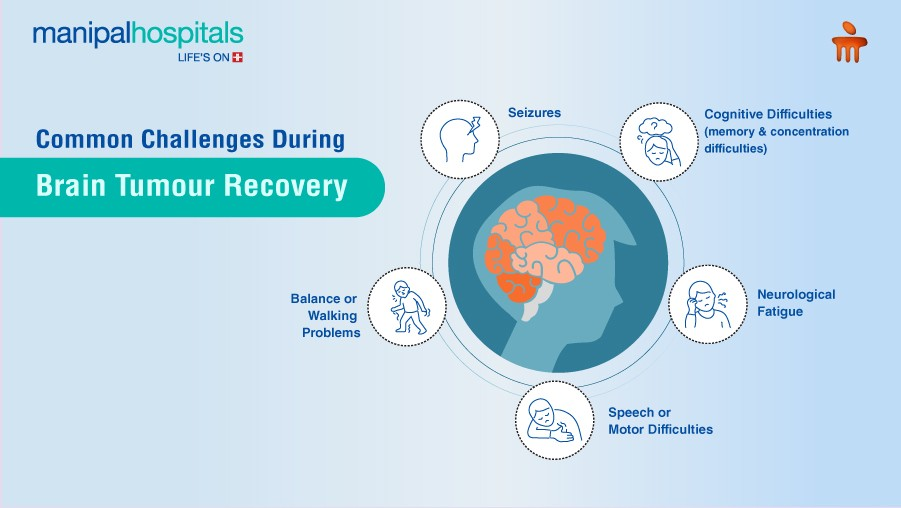
While many patients recover well, some may experience temporary neurological or physical difficulties during recovery.
-
Seizures After Brain Tumour Removal Surgery: Seizures may occur in up to 40% of patients with brain tumours, depending on tumour type and location. Anti-seizure medication may be prescribed.
-
Cognitive Changes: Some patients may experience reduced concentration, slower thinking, or short-term memory loss after brain tumour removal. These changes are often temporary and may improve with time and rehabilitation.
-
Fatigue: Fatigue is common after brain surgery and differs from normal tiredness, as the brain requires additional energy to heal.
-
Speech or Motor Difficulties: Speech changes, weakness, or coordination problems may occur depending on the tumour location and surgical site.
-
Balance and Walking Difficulties: Temporary balance problems or difficulty walking may occur if areas controlling movement were affected.
Rehabilitation After Brain Surgery
Rehabilitation plays a key role in improving the recovery for brain tumour patients after surgery. A multidisciplinary rehabilitation programme may include physiotherapy exercises, speech and language therapy, occupational therapy and neuropsychological support.
Structured rehabilitation programmes have been shown to improve functional independence and quality of life in many patients recovering from brain tumour treatment.
Life After Brain Tumour Surgery
Lifestyle Adjustments
Life after brain tumour surgery may require gradual lifestyle changes to support neurological healing.
Patients are usually advised to:
-
Prioritise adequate sleep and rest
-
Maintain a balanced diet and proper hydration
-
Resume physical activity gradually as recommended by their doctor
-
Avoid alcohol during the early recovery period, particularly if taking anti-seizure medication
Driving and Safety
Patients should avoid driving until cleared by their treating neurosurgeon, especially if there is a risk of seizures or neurological symptoms.
Follow-up Monitoring
Regular follow-up is essential after brain tumour surgery. MRI scans are typically performed every 3–6 months during the first year, depending on tumour type and the treating doctor's recommendations. These scans help monitor recovery and detect any tumour recurrence early.
Emotional and Cognitive Well-being
Recovery after brain tumour surgery also involves emotional and psychological adjustment. Many patients experience fatigue, anxiety, memory changes, or mood fluctuations during recovery.
Support strategies that may help include:
-
Cognitive Behavioural Therapy (CBT)
-
Mindfulness-based stress reduction
-
Support groups for brain tumour survivors
-
Cognitive rehabilitation therapy
These approaches can help patients adapt to life after surgery and improve overall well-being.
Conclusion
Recovery after brain tumour surgery can be challenging, but with the right support, it is achievable. From managing seizures and rebuilding cognitive function to adapting to life after brain tumour removal, each stage of recovery supports long-term well-being.
At Manipal Hospitals, a dedicated multidisciplinary team of neurologists and neurospecialists supports patients through every stage of recovery, from surgery to rehabilitation and long-term follow-up. They help patients regain confidence and safely return to daily life.
FAQ's
Most patients are closely monitored for 24–48 hours after surgery, followed by several days of hospital recovery depending on their condition. Home recovery typically takes 6–12 weeks, while cognitive recovery may take several months in some patients.
Seizures can occur in some patients with brain tumours. Doctors may prescribe anti-seizure medications and recommend avoiding triggers such as sleep deprivation or missed medication doses.
Yes. Many patients experience improvement over time. Cognitive rehabilitation therapy and neuropsychological support can help improve memory and concentration.
Life expectancy after brain tumour surgery depends on the tumour type, grade, and the patient’s overall health. Some tumours have favourable outcomes after treatment, while more aggressive types may require ongoing therapy and monitoring. The doctor can provide personalised guidance.
Recovery timelines vary depending on the type of surgery, tumour location, and individual health. Gentle walking is usually encouraged early in recovery, while strenuous activities may require 6–8 weeks or longer, depending on medical advice.
Share this article on: