


Appointment Helpline


Vaginal dryness is commonly characterised by reduced vaginal moisture, discomfort, or irritation, which can significantly impact daily comfort and intimate well-being. Vaginal dryness symptoms may be influenced by stress, hormonal fluctuations, dehydration, certain medications, or lifestyle factors that affect overall hormonal balance. While the condition may appear mild initially, persistent vaginal dryness can impact comfort, sexual health, and quality of life if left unaddressed.
Vaginal dryness may occur with or without visible irritation and can cause discomfort during daily activities or sexual intercourse. Temporary dryness may result from stress or short-term hormonal changes. However, ongoing or recurrent symptoms may indicate underlying hormonal, metabolic, or gynaecological conditions. In some individuals, vaginal dryness may be associated with pregnancy-related changes or menopause-related hormonal decline.
At Manipal Hospitals, vaginal dryness is assessed using a structured and multidisciplinary approach that considers hormonal health, lifestyle factors, and overall well-being. Specialists focus on identifying the root cause rather than providing only symptomatic relief. Early evaluation supports accurate diagnosis, prevents complications such as recurrent infections or discomfort during intimacy, and helps restore long-term vaginal comfort.

Consult a doctor online in just 10 minutes – anytime, anywhere!
Symptoms of vaginal dryness may vary in intensity depending on age, hormonal status, and underlying health factors. Common signs include:
Reduced vaginal lubrication or persistent dryness
Discomfort or pain during intercourse (dyspareunia)
Itching or burning sensation in the vaginal area
Vaginal soreness or irritation during daily activities
A feeling of tightness, friction, or “dryness” within the vaginal canal
Light spotting or bleeding after intercourse
Increased sensitivity or discomfort with movement or prolonged sitting
Changes in vaginal discharge, often becoming thinner or noticeably reduced
Reduced sexual comfort, arousal, or interest due to discomfort
Recurrent urinary discomfort, irritation, or burning sensation
Persistent or worsening vaginal dryness symptoms may indicate underlying hormonal changes, infections, or medical conditions. Medical evaluation is recommended when symptoms interfere with daily comfort, intimate health, or quality of life, ensuring accurate diagnosis and personalised treatment.
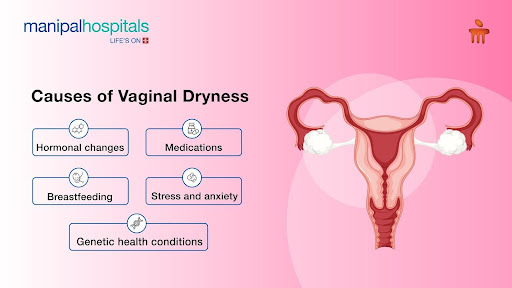
Vaginal dryness can develop due to a combination of hormonal, lifestyle, and medical factors. Common causes include:
Hormonal changes, particularly reduced estrogen levels, affect vaginal tissue hydration
Menopause, where vaginal dryness commonly occurs due to natural, age-related hormonal decline
Postpartum or breastfeeding-related hormonal fluctuations, which can temporarily reduce estrogen levels
Certain medications, including antihistamines, antidepressants, chemotherapy drugs, or hormonal treatments
Psychological stress or anxiety, which may disrupt hormonal balance and reduce vaginal lubrication
Medical conditions such as diabetes or autoimmune disorders that affect circulation or mucosal health
Use of harsh soaps, vaginal douches, scented hygiene products, or frequent cleansing that irritates vaginal tissues
Identifying the underlying cause is essential for effective symptom management, targeted treatment, and maintaining long-term vaginal comfort and health.
Diagnosis of vaginal dryness at Manipal Hospitals involves a comprehensive clinical evaluation tailored to individual health needs and hormonal status. The structured diagnostic process includes:
Detailed discussion of symptom onset, duration, severity, and progression over time
Review of menstrual history, pregnancy status, postpartum changes, or menopausal stage
Assessment of medical history, including chronic conditions, prior gynaecological issues, and current or recent medications
Evaluation of hormonal factors that may influence vaginal lubrication and tissue health
Review of lifestyle habits, stress levels, hydration, and intimate hygiene practices
Pelvic examination to assess vaginal tissue thickness, elasticity, moisture levels, and signs of irritation or inflammation
When symptoms are persistent, recurrent, or unexplained, further investigations may be recommended to identify underlying causes, including:
Hormonal blood tests to assess estrogen and related hormone levels
Vaginal pH testing to evaluate changes in the vaginal environment
Vaginal swab tests to rule out bacterial, fungal, or other infections
Imaging studies or additional diagnostic tests when structural or systemic conditions are suspected
This approach enables accurate identification of the underlying cause and supports personalised treatment planning for effective symptom relief and long-term vaginal health.
Treatment of vaginal dryness symptoms is based on the underlying cause, severity, and impact on daily comfort and intimate health. Common management approaches include:
Vaginal moisturisers to restore hydration, improve tissue elasticity, and provide long-lasting relief from dryness
Water-based or silicone-based lubricants to reduce friction and discomfort during intercourse
Localised or systemic hormone therapy, including estrogen-based treatments, is used when a hormonal deficiency is identified
Management of underlying hormonal conditions, including menopause-related symptoms, vaginal dryness
Lifestyle modifications, including avoiding irritants, maintaining hydration, and adopting gentle intimate hygiene practices
Personalised guidance on sexual health and comfort to support long-term symptom control
The primary goal of treatment is to relieve discomfort, restore vaginal moisture, improve tissue health, and enhance overall quality of life through tailored care.
For mild vaginal dryness symptoms, supportive home-care measures may help improve comfort and reduce irritation. Common recommendations include:
Using fragrance-free vaginal moisturisers regularly to maintain hydration and support vaginal tissue health
Avoiding scented soaps, intimate washes, sprays, or perfumed hygiene products that may cause irritation
Wearing breathable cotton underwear and avoiding tight-fitting clothing to reduce friction and moisture imbalance
Staying well hydrated throughout the day to support overall mucosal and skin health
Managing stress through relaxation techniques, gentle exercise, or mindfulness practices
Avoiding vaginal douching, which can disrupt the natural vaginal environment and worsen dryness
Limiting exposure to harsh detergents or fabric softeners used for undergarments
Maintaining gentle hygiene practices using lukewarm water
These measures are intended to provide temporary symptom relief and support overall vaginal comfort. Persistent, worsening, or recurrent vaginal dryness should be medically evaluated to identify underlying hormonal or medical causes and ensure appropriate treatment.
Vaginal dryness symptoms include reduced lubrication, vaginal irritation, discomfort or pain during intercourse, and persistent soreness. These symptoms may interfere with daily activities, intimate comfort, and sexual well-being, and can worsen if underlying causes are not addressed.
Yes, vaginal dryness can occur during pregnancy due to hormonal changes that affect vaginal moisture levels. While it is often temporary, persistent or severe dryness, discomfort, or irritation should be discussed with a doctor to rule out infections or other concerns.
Yes, vaginal dryness during menopause is common due to declining oestrogen levels, which affect vaginal moisture and tissue elasticity. These changes may cause ongoing discomfort and often require medical management to relieve dryness, improve vaginal health, and maintain quality of life.
Yes. Treatment options include vaginal moisturisers and lubricants to relieve dryness and discomfort. Hormone therapy may be used when clinically indicated to manage underlying hormonal causes. A personalised treatment approach helps restore vaginal moisture and improve tissue health.
Persistent vaginal dryness, pain, or irritation should be medically evaluated to identify underlying hormonal or medical conditions. Early assessment supports accurate diagnosis, timely treatment, and effective symptom management, helping prevent complications and improve vaginal health and quality of life.



Visit the Global site for International patient services


