


Appointment Helpline


Body jitters and tremors are experienced as involuntary shaking, nervousness, or a sensation of internal restlessness affecting one or more body parts. These movements may involve the hands, legs, head, or sometimes the entire body. Symptom intensity can range from mild, short-lived episodes to persistent tremors that interfere with daily activities, concentration, and comfort. Tremors are frequently associated with high stress levels, excessive caffeine or stimulant intake, poor sleep patterns, dehydration, anxiety, and certain medications. Prolonged mental strain and demanding work schedules that overstimulate the nervous system may also contribute.
Tremors may occur temporarily during periods of excitement, anxiety, fatigue, or physical exhaustion. However, frequent, recurrent, or progressively worsening symptoms may indicate an underlying medical condition. These include metabolic imbalances, hormonal disorders like thyroid disease, medication side effects, or neurological conditions. When accompanied by symptoms such as palpitations, excessive sweating, dizziness, muscle tension, or difficulty concentrating, tremors can significantly affect work performance and daily functioning.
At Manipal Hospitals, tremors are evaluated through a structured, multidisciplinary approach. Specialists assess medical history, lifestyle factors, occupational stress, medication use, and neurological signs to identify the cause. Early evaluation and targeted management help reduce symptom severity, prevent complications, and support long-term nervous system health and overall well-being.

Consult a doctor online in just 10 minutes – anytime, anywhere!
Tremors can present in different ways depending on the underlying cause and severity. They may be constant or episodic and often become more noticeable during periods of stress, fatigue, emotional strain, stimulant use, or illness. Symptom intensity can range from mild and temporary to persistent and disruptive.
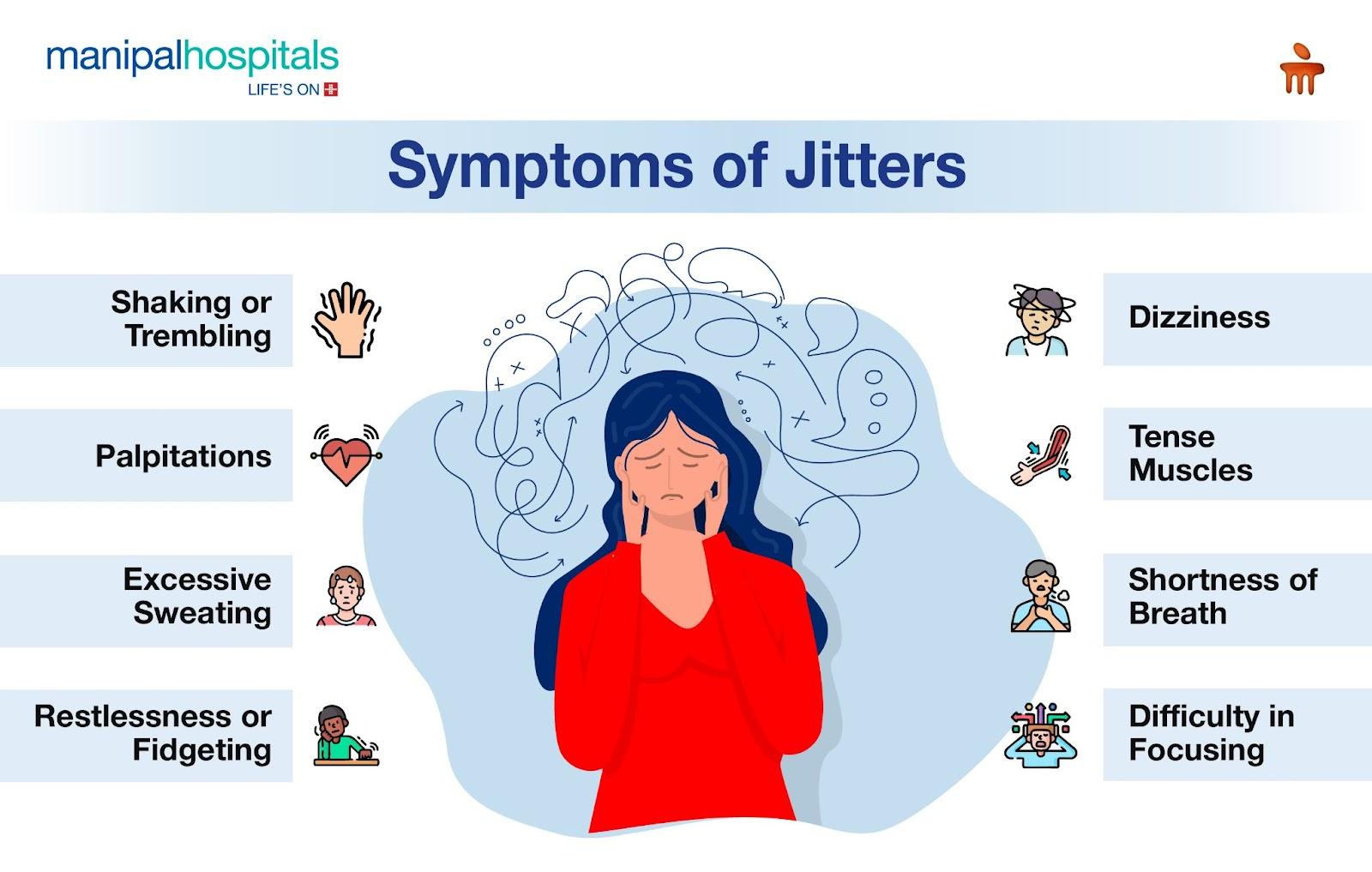
Common symptoms include:
Involuntary shaking or trembling, especially in the hands or legs
A sensation of restlessness or difficulty remaining still
Rapid or pounding heartbeat (palpitations)
Excessive sweating, particularly during anxiety or stressful situations
Muscle tension or stiffness, commonly affecting the neck and shoulders
Dizziness or light-headedness
Shortness of breath or shallow, rapid breathing
Difficulty focusing, concentrating, or completing tasks
Increased nervousness, inner unease, or irritability
Worsening of symptoms with caffeine intake, sleep deprivation, or emotional stress
If tremors become frequent, severe, progressive, or interfere with daily activities, work performance, or quality of life, medical evaluation is recommended.
Tremors develop due to a combination of lifestyle, emotional, medical, and neurological factors. Tremor and jitters can vary in intensity and frequency depending on individual health and daily habits. Common causes include:
High intake of caffeine or other stimulants from coffee, tea, energy drinks, or certain medications
Anxiety, emotional stress, or panic-related conditions that overstimulate the nervous system
Low blood sugar levels due to skipped meals, poor nutrition, or diabetes
Sleep deprivation or irregular sleep patterns that disrupt nervous system regulation
Side effects of medications such as bronchodilators, antidepressants, or thyroid medications
Thyroid disorders, especially hyperthyroidism, which increase metabolic activity
Dehydration and electrolyte imbalances that affect muscle and nerve function
Hormonal fluctuations during pregnancy, menopause, or adrenal gland disorders
Alcohol withdrawal symptoms following the sudden cessation of intake
Neurological conditions such as essential tremor or Parkinson’s disease
Identifying the exact cause is essential for effective treatment, targeted management, and long-term symptom control.
The diagnosis of tremors involves a detailed clinical evaluation to identify neurological, metabolic, medication, or lifestyle-related factors. At Manipal Hospitals, specialists follow a structured and systematic diagnostic approach to determine the underlying cause and assess the impact on daily functioning. The evaluation process includes:
Detailed discussion of symptom onset, duration, frequency, progression, and triggering factors
Review of caffeine and stimulant intake, sleep patterns, stress levels, and occupational habits
Complete medical history assessment, including chronic illnesses and previous neurological conditions
Medication review to identify drugs that may contribute to tremors
Physical examination to assess muscle control, coordination, posture, and reflexes
Measurement of heart rate and blood pressure to evaluate possible autonomic nervous system involvement
Focused neurological examination to assess balance, gait, and motor responses
When required, further investigations may be recommended, including:
Blood tests to assess glucose levels, thyroid function, electrolyte balance, and metabolic abnormalities
Neurological assessments or imaging studies to rule out conditions such as essential tremor, Parkinson’s disease, or other neurological disorders
Psychological evaluation when anxiety, panic disorders, or stress-related causes are suspected
This integrated diagnostic approach ensures accurate identification of tremors and supports appropriate, personalised treatment planning.
Treatment for tremor and jitters depends on its cause, severity, and impact on daily life and work performance. At Manipal Hospitals, treatment plans are individualised to address both physical symptoms and contributing lifestyle or medical factors. Common treatment options include:
Lifestyle modification to reduce caffeine, stimulants, nicotine, and alcohol intake
Medications such as beta-blockers to control tremors or associated palpitations
Anti-anxiety medications, when tremors are linked to stress or anxiety disorders
Thyroid management and hormone regulation for thyroid-related tremors
Cognitive behavioural therapy (CBT) to manage anxiety-induced symptoms and improve coping
Breathing techniques and structured relaxation training to calm the nervous system
Physical activity, physiotherapy, and supervised exercise programmes to improve muscle control and coordination
These interventions aim to reduce symptom intensity, improve control over tremors, enhance functional ability, and restore daily comfort and quality of life.
For mild or occasional tremors, supportive home-care measures may help reduce symptom intensity and support overall nervous system balance. These approaches are most effective when combined with healthy daily habits. Common home-care measures include:
Drinking herbal teas, such as peppermint or ginger may promote relaxation
Maintaining regular, balanced meals to stabilise blood sugar levels
Staying well hydrated to prevent dehydration and electrolyte imbalance
Practising deep breathing exercises and mindfulness techniques to calm the nervous system
Using progressive muscle relaxation to ease ongoing nervous tension
Taking warm baths or Epsom salt soaks to help relax muscles
Ensuring adequate sleep and rest to support nervous system recovery
Limiting caffeine and stimulant intake, especially later in the day
While these home remedies may provide short-term relief, they should not replace professional medical evaluation. Persistent, worsening, or disruptive tremors require assessment by a healthcare professional to identify underlying causes and guide appropriate treatment.
Body jitters and tremors can be caused by stress or anxiety, excessive caffeine intake, low blood sugar from skipped meals, and sleep deprivation. Other causes include medication side effects, thyroid disorders such as hyperthyroidism, dehydration, or neurological conditions.
Yes. Tremors may occur due to metabolic imbalances, hormonal changes, medication-related side effects, or neurological conditions, even in the absence of anxiety. These factors can affect nerve and muscle function, leading to involuntary shaking without any emotional or psychological triggers.
Medical evaluation is recommended if tremors persist, worsen over time, or interfere with daily activities or work performance. Symptoms such as dizziness, weakness, poor coordination, balance problems, or other neurological signs require timely professional assessment and appropriate medical care.
Stress can overstimulate the nervous system, increasing the frequency and severity of tremors. In individuals prone to anxiety, emotional stress heightens muscle tension and nerve sensitivity, making tremors more noticeable and persistent. These are more prominent during demanding situations.
Not always. Many tremors are benign and temporary, often related to stress, fatigue, or caffeine intake. However, persistent or progressively worsening tremors require medical assessment. This helps rule out underlying metabolic, neurological, or hormonal conditions and ensures timely and appropriate management.
Yes, light exercises like walking or stretching can help burn off excess energy and reduce tremors.



Visit the Global site for International patient services


