


Appointment Helpline


Tinnitus is experienced as the perception of sound in the ears or head without any external source. Individuals commonly describe these sounds as ringing, buzzing, hissing, humming, or whistling. Tinnitus symptoms can vary in intensity and frequency and may affect concentration, sleep quality, and overall work performance. Tinnitus is often associated with prolonged headphone use, exposure to loud environments, high stress levels, hearing strain, and extended screen time.
Tinnitus may be temporary or persistent. While mild symptoms may cause occasional discomfort, persistent or worsening tinnitus can significantly interfere with daily activities and psychological well-being. Some individuals experience pulsatile tinnitus, where the sound follows a rhythmic pattern similar to the heartbeat. This may suggest vascular or circulatory involvement and requires medical evaluation.
At Manipal Hospitals, tinnitus is managed as a clinical symptom requiring structured assessment. ENT specialists and audiology teams evaluate hearing function, lifestyle habits, occupational noise exposure, and medical history to identify contributing factors. Early diagnosis and targeted management help reduce symptom burden, prevent progression, and support long-term auditory health and workplace well-being.

Consult a doctor online in just 10 minutes – anytime, anywhere!
Tinnitus can present in several forms depending on the underlying cause, severity, and individual sensitivity. It may affect one or both ears and is often more noticeable in quiet environments, during rest, or under stress. Common symptoms include:
Ringing sounds in the ears without any external noise
Buzzing or humming noises that fluctuate in pitch or loudness
Hissing or whistling sensations, similar to air or steam sounds
Roaring or clicking noises occurring intermittently
Fluttering or pulsing sounds, sometimes linked to blood flow
Thumping noises that may follow the rhythm of the heartbeat
Symptoms that worsen at night or in silent surroundings
Difficulty concentrating or focusing on tasks due to constant noise
Sleep disturbances caused by persistent ear sounds
Emotional distress, irritability, anxiety, or frustration related to ongoing symptoms
If tinnitus becomes persistent, progressively worsens, or interferes with daily activities, sleep, or work performance, a medical evaluation by an ENT specialist is recommended.
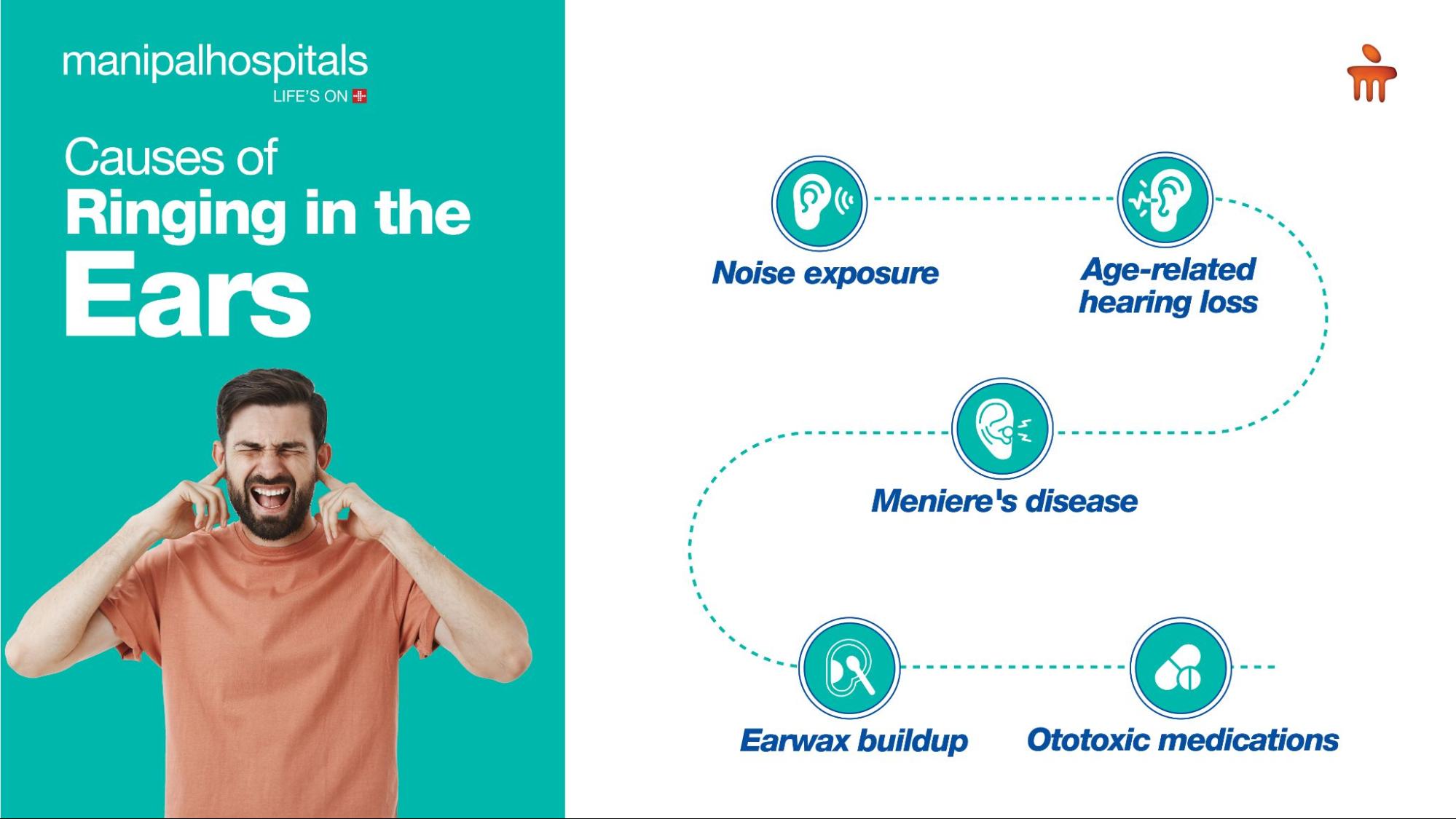
Tinnitus develops due to disturbances in the auditory system or related neurological and vascular pathways. The causes can vary based on lifestyle, medical conditions, and occupational exposure. Common causes include:
Prolonged exposure to loud noise from headphones, industrial machinery, traffic, or noisy workplace environments
Age-related hearing loss that gradually affects auditory nerve function and inner ear structures
Earwax buildup that blocks the ear canal and interferes with sound transmission
Ear infections or inflammation of the middle or inner ear that disrupts auditory processing
Certain medications with ototoxic effects that may damage the cochlea or auditory nerve
Inner ear disorders such as Ménière’s disease, which affect both balance and hearing
Circulatory or blood vessel abnormalities, particularly in cases of pulsatile tinnitus
High stress levels that increase nervous system sensitivity and sound perception
Head or neck injuries that impact auditory pathways or blood flow
Identifying the specific cause is crucial for selecting the most appropriate treatment strategies.
The diagnosis of tinnitus focuses on understanding the full spectrum of tinnitus causes and symptoms. This is achieved through a systematic clinical evaluation of auditory, neurological, and systemic factors. To accurately assess the symptoms and determine contributing causes, ENT specialists at Manipal Hospitals follow a structured diagnostic approach. The diagnostic process includes:
Detailed discussion of symptom onset, duration, severity, frequency, and progression over time
Evaluation of occupational and recreational noise exposure, including headphone use and workplace environments
Review of lifestyle factors such as stress levels, sleep patterns, and overall health habits
Comprehensive medical history assessment, including previous ear conditions, head or neck injuries, and chronic illnesses
Detailed medication review to identify drugs with potential ototoxic effects
Audiogram testing to measure hearing thresholds and detect associated hearing loss
Tympanometry to assess middle-ear pressure, eardrum mobility, and middle-ear function
Otoacoustic emissions (OAE) testing to evaluate inner ear and cochlear health
When symptoms are persistent, unilateral, severe, or associated with neurological signs, further investigations may be recommended, including:
MRI scans to rule out nerve-related, vascular, or structural abnormalities
Blood tests to assess thyroid function, vitamin deficiencies, inflammation, or metabolic conditions
This integrated diagnostic approach ensures accurate identification of tinnitus symptoms and supports personalised, effective treatment planning.
Assessment and treatment planning for tinnitus are based on the underlying cause, severity, and impact on daily functioning. At Manipal Hospitals, treatment plans are individualised to address both auditory symptoms and associated emotional or functional concerns. Common treatment options include:
Sound therapy to mask tinnitus and reduce the brain’s focus on internal sounds
Cognitive behavioural therapy (CBT) to manage emotional distress, anxiety, and negative responses
Tinnitus retraining therapy (TRT), which combines counselling and controlled sound exposure to promote habituation
Hearing aids amplify external sounds, improve hearing ability, and reduce tinnitus perception
Medications to help manage associated anxiety, sleep disturbances, or mood-related symptoms
Treatment of underlying medical conditions, such as ear infections, metabolic disorders, or vascular abnormalities, in selected cases
Lifestyle guidance and counselling to reduce stress and avoid symptom triggers
These interventions aim to reduce symptom intensity, improve coping strategies, restore daily comfort, and enhance overall quality of life.
For mild or intermittent tinnitus, supportive home-care measures may help reduce symptom awareness and improve daily comfort. These approaches focus on minimising triggers, promoting relaxation, and supporting overall auditory health. Common home-care measures include:
Using white noise machines, soft music, or background sounds to mask tinnitus, especially during quiet periods or at night
Practising stress-reduction techniques such as meditation, deep breathing, yoga, or mindfulness to lower nervous system sensitivity
Limiting caffeine, alcohol, and high-sodium foods, which may worsen tinnitus in some individuals
Maintaining regular sleep routines to reduce fatigue-related symptom aggravation
Avoiding prolonged silence, as quiet environments can make tinnitus more noticeable
Taking regular breaks from prolonged headphone or earphone use
Protecting ears from loud environments by using earplugs or noise-reducing equipment
Staying physically active and maintaining overall well-being
While these home remedies may provide short-term symptom relief, they should not replace professional evaluation. Persistent, worsening, or disruptive tinnitus requires medical assessment to identify underlying causes and guide appropriate treatment.
Ringing in the ears can occur due to prolonged exposure to loud noise. It can be age-related or noise-induced hearing loss. Other causes include ear infections, excessive earwax buildup, medication side effects, and inner ear disorders such as Ménière’s disease.
Tinnitus can occur when hearing appears normal. It may be associated with stress, circulatory or blood flow changes, or side effects of certain medications. Neurological factors that alter sound perception by the brain can cause tinnitus without measurable hearing loss.
Medical evaluation is advised if tinnitus persists, worsens, or disrupts sleep, concentration, or daily activities. Severe tinnitus symptoms may include constant loud noise, sleep disturbance, emotional distress, reduced focus, hearing changes, dizziness, or balance problems.
Stress can increase nervous system sensitivity, which heightens awareness of tinnitus and makes symptoms seem louder or more persistent. Emotional strain may also reduce coping ability, causing tinnitus to feel more distressing and noticeable during quiet moments or periods of fatigue.
Tinnitus symptoms are not always permanent. With accurate diagnosis, appropriate treatment, and effective lifestyle management, many experience a reduction in symptom intensity and frequency. Treatments tailored to each patient can improve coping ability and better overall quality of life over time.



Visit the Global site for International patient services


