8 Min Read
Seizures are one of the most common disorders in the field of neurology, which can occur in anyone without any age constraints. Seizures occur due to the disruption caused by irregular brain electrical activities. Some seizures only last for a few seconds, while others might last for a few minutes; immediate health care services should be availed. Understanding seizures and ensuring proper brain care is of utmost importance.
It is always advisable to take note of any signs such as blank stares, twitching body muscles, and lapses in the state of consciousness. The knowledge of the warning signs will help in preventing adverse situations from arising. In terms of the treatment of seizures, neurology has achieved considerable success. Your brain health is deeply tied to daily habits like sleep, stress management, and your overall medical history. When your brain is thriving, everything else follows from your memory and focus to your mood and physical movement. In this guide, we will break down what seizures are, how they impact your body, and the best options available to protect your brain health.
Synopsis
Seizures and Brain Health
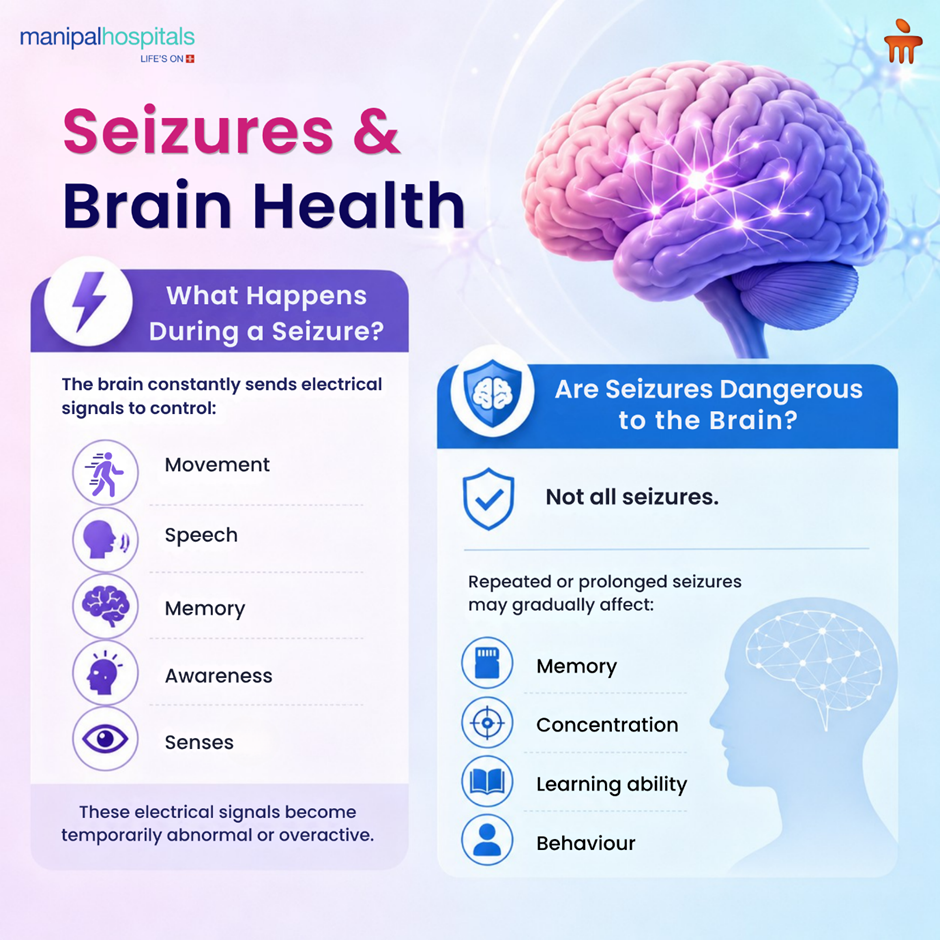
The brain sends electrical signals to control everything the body does. During a seizure, these signals suddenly become irregular for a short time. This can affect movement, speech, awareness, behaviour, or the senses, depending on the part of the brain involved.
Keeping your brain healthy helps prevent serious neurological issues. Simple things like constant stress, poor sleep, uncontrolled diabetes, heavy drinking, head injuries, and infections can all lift your risk of having a seizure. For anyone dealing with epilepsy or frequent seizures, regular check-ups and healthy daily habits are some of the best ways to keep things under control.
Factors affecting brain wellness are:
-
Adequate sleep
-
Balanced diet
-
Stress relief
-
Abstinence from substance abuse
-
Medication administration
-
Neurological evaluation
People who need a seizure specialist near me should visit clinics that provide neurology services such as EEG tests, MRI, therapy sessions, and counselling, among other services. Early intervention will help to minimise seizures and protect brain functions.
Are Seizures Damaging to the Brain?
Not all seizures cause permanent brain damage. While a brief seizure alone will not cause any harm to the patient, multiple episodes, extended seizure duration, or epilepsy might cause damage slowly. Seizures that occur frequently or constantly might lower the amount of oxygen supply to the brain. Such an occurrence will impair a person's memory, concentration, and learning abilities. In children, uncontrolled seizures might affect their development and behaviour adversely.
The possibility of brain damage depends on several factors:
|
Factor |
Possible Impact on Brain Health |
|
Duration of seizure |
Longer seizures carry a higher risk |
|
Frequency of seizures |
Repeated episodes may affect cognition |
|
Underlying brain condition |
Tumours, stroke, or infections increase complications |
|
Age of the patient |
Young children and older adults are more vulnerable |
|
Delay in treatment |
Untreated seizures may worsen neurological function |
Status epilepticus is a serious condition where seizures continue for more than five minutes or occur repeatedly without recovery in between. This is viewed as a medical emergency and requires immediate hospital treatment.
Patients receiving seizure disorder treatment are often advised to follow medication schedules strictly to prevent complications. Consistent treatment helps stabilise electrical activity in the brain and improves long-term neurological outcomes.
What are the seizure symptoms?
Seizure symptoms vary widely from person to person. Some people have violent bodily reactions, whereas some have confusion or staring fits.
-
Sudden unawareness
-
Jerky motion of arms or legs
-
Temporary confusion
-
Spells of staring
-
Unexpected falls
Some patients have an aura before their seizure attacks, which might involve strange odours, feelings of dizziness, fear, or visual problems.
Common Causes of Seizures
Seizures may occur because of different neurological or medical conditions. Sometimes the cause is not known.
Common causes include:
-
Epilepsy
-
Head injury
-
Brain infections
-
Stroke
-
Brain tumours
-
High fever in children
-
Alcohol withdrawal
-
Low blood sugar
-
Genetic disorders
-
Sleep deprivation
Stress and poor sleep are recognised triggers for many patients with epilepsy. Maintaining good sleep hygiene and following medical advice can reduce episodes significantly.
Going to the best neurologist for seizures will help in diagnosing the causes of the problem via neurological evaluation, along with tests like EEG, MRI, and other tests. This step is necessary because treatment varies depending on the basis of the kind of seizure you have.
What are the types of seizures?
Seizures are broadly classified according to where abnormal electrical activity begins in the brain:
-
Focal Seizures: Focal seizures occur when there is abnormal activity in one particular part of the brain.
-
Focal aware seizures: In these seizures, awareness is preserved, although the patient can experience strange feelings or movements.
-
Focal impaired awareness seizures: Awareness becomes altered. Patients may appear confused or perform repetitive actions without remembering the episode later.
-
Generalised seizures: These types of seizures begin with both sides of the brain involved.
-
Tonic-clonic seizures: Previously called grand mal seizures, these involve body stiffening followed by rhythmic jerking movements and temporary loss of consciousness.
-
Absence Seizures: These occur mostly among children, causing episodes of staring that may last for a few seconds.
-
Myoclonic Seizures: These consist of muscle spasms and jerky contractions that affect either the shoulder or the arm.
-
Atonic Seizures: These are sudden muscle-weakness seizures causing falls or head droop.
-
Tonic Seizures: They are characterised by stiffness of muscles but no jerky movements.
-
Clonic seizures: These involve repeated rhythmic muscle contractions.
Modern neurological centres offering seizure disorder treatment use advanced diagnostic methods to classify seizure types accurately. Correct classification helps determine the most effective treatment plan.
Non-Surgical Treatment and Management of Seizures
The vast majority of seizure cases can be successfully managed without resorting to open brain surgery. The primary goals of medical treatment are to reduce or eliminate seizure episodes, protect brain cells from metabolic stress, and help patients maintain complete independence in their daily lives.
Antiepileptic Medications
Pharmacotherapy is the frontline defence for managing both epilepsy and isolated seizures. These medications work by stabilising the overactive electrical patterns of brain cells. Neurologists tailor the specific drug and dosage based on the exact type of seizures a patient experiences, as well as their age and overall lifestyle.
Never change your dose or stop taking your tablets suddenly. If you do, it can backfire and trigger severe, long, or even non-stop seizures. Seeing your doctor for regular check-ups keeps you safe and makes sure your medicine is still working well for you.
Lifestyle and Dietary Modifications
Adopting healthy daily habits can significantly elevate a patient's seizure threshold, which is the brain's natural resistance to a seizure. Recommended lifestyle adjustments include:
-
Maintaining a consistent, adequate sleep schedule every night
-
Taking prescribed medications at the exact same times daily
-
Limiting or entirely avoiding alcohol consumption
-
Practising active stress-management techniques
-
Staying properly hydrated throughout the day
-
Identifying and systematically avoiding specific personal seizure triggers
Their clinical teams also advise many individuals to maintain a detailed seizure diary. Tracking dates, times, symptoms, and potential triggers provides invaluable data for optimising care.
For individuals with drug-resistant epilepsy—particularly children—a structured ketogenic diet may be recommended. This specialised low-carbohydrate, high-fat diet alters how the brain utilises energy, shifting its primary fuel source from glucose to ketones, which naturally suppresses hyperactive electrical activity. Because an incorrect application can lead to nutrient deficiencies or metabolic imbalances, this diet must always be conducted under strict medical and dietetic supervision.
Vagus Nerve Stimulation (VNS)
If medication isn't working well enough, there are other excellent options to try. One is vagus nerve stimulation, or VNS.
For this procedure, a doctor puts a small device under the skin on your chest. A thin wire runs from the device and wraps around the vagus nerve in your neck. The device sends regular, mild electrical signals up to your brain to help quiet down the overactive areas. It does require a minor surgery to put the device in, but it is completely non-resective. That just means no brain tissue is changed or taken out.
Psychological and Multidisciplinary Support
Living with a seizure disorder can deeply impact an individual's self-confidence, education, career opportunities, and emotional well-being. Dedicated counselling and support programmes play a vital role in helping patients navigate the anxiety, depression, and social challenges that frequently accompany epilepsy.
Conclusion
Seizures are neurological events that require timely diagnosis, proper treatment, and continuous monitoring. While some seizures are mild and temporary, others may significantly affect brain health if left untreated. Understanding seizure symptoms, causes, and treatment options helps patients seek care early and reduce complications with guidance from top neurology care near Sarjapur Road, Bangalore.
Getting care from an experienced neurologist in sarjapur road, bangalore simply helps you live a safer, healthier life. If you are experiencing seizures, consult the best neurology specialists at Manipal Hospital, Sarjapur Road, Bangalore, for advanced neurological evaluation. As a trusted destination for seizure disorder treatment in Sarjapur Road, Bangalore, the hospital offers personalised care to help patients manage seizures safely and effectively.
FAQ's
Yes. Stress disrupts your sleep, hormones, and brain activity, which makes a seizure much more likely to happen. Finding ways to manage that stress alongside your medical treatment will really help keep your seizures under control.
No. Seizures can occur because of fever, infections, low blood sugar, head injuries, or alcohol withdrawal. Epilepsy is diagnosed when recurrent unprovoked seizures occur over time.
The doctors will consider your medical background and examine your reflexes through EEGs, MRIs, and blood work, among others.
Some people have no seizures when taking medications or when making changes in their lifestyle, while some people need to take the medicines for the rest of their lives.
If the attack lasts for more than five minutes, if multiple attacks occur without recovery between them, if difficulty breathing occurs, or if an injury is caused due to the attack, then seek medical assistance immediately.
Share this article on: