
Stroke recovery
Stroke recovery
Stroke recovery is a structured process aimed at restoring neurological function, independence, and quality of life after a cerebrovascular event. The recovery timeline varies among individuals and depends on the severity of brain injury, early treatment, and ongoing rehabilitation. Stroke rehabilitation plays a critical role in improving mobility, speech, and cognitive abilities. Timely medical care and lifestyle modifications significantly influence outcomes. Manipal Hospitals offers multidisciplinary care and advanced therapies for stroke recovery.
Our Locations
-
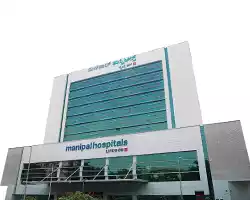
Old Airport Road - Bengaluru
-
.webp)
Mysuru
-
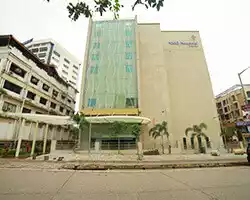
Mangaluru
-
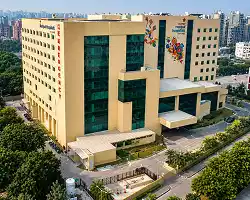
Dwarka - Delhi NCR
-
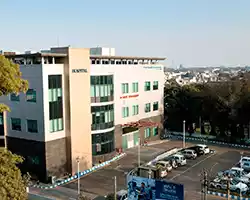
Patiala
-
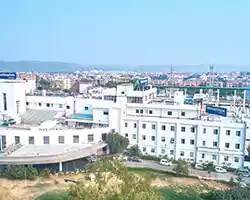
Jaipur
-
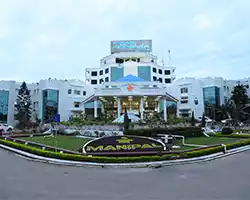
Vijayawada
-
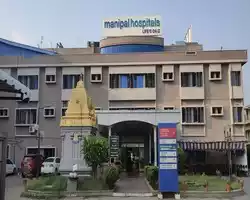
Salem
-
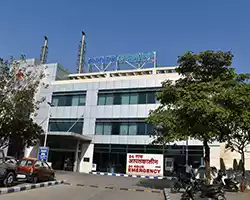
Kharadi - Pune
-
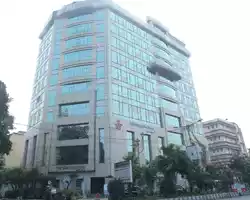
Salt Lake - Kolkata
-
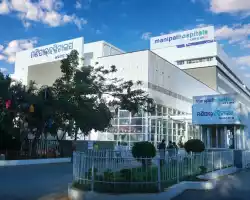
Bhubaneswar
-
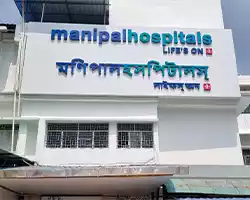
Siliguri
-
Ranchi
Didn’t find what you were looking for?
Get in touch with our representatives for help!
Request a CallbackSymptoms of Stroke recovery
Patients recovering from stroke may experience weakness or paralysis, difficulty speaking or understanding language, impaired coordination, memory problems, and emotional changes. These deficits vary depending on the brain region affected. Some individuals regain function gradually, while others may require long-term supportive care and rehabilitation.
How We Diagnose Stroke recovery
Evaluation during stroke recovery involves neurological and comprehensive functional assessment. Imaging studies such as CT or MRI scans may be used to assess the extent of brain injury and monitor recovery when clinically indicated. Doctors assess motor function, speech, cognition, and activities of daily living. Standardised scales, such as the Modified Rankin Scale or NIH Stroke Scale, help evaluate functional status and guide rehabilitation planning.
Treatment Options
Management aims to improve function, maximise independence, and prevent complications. Treatment may include physiotherapy, speech and swallowing therapy, occupational therapy, medications for secondary stroke prevention, and structured rehabilitation programmes tailored to individual patient needs.
What to Expect
At Manipal Hospitals, patients undergoing stroke recovery receive comprehensive care designed to maximise functional improvement and independence. The recovery process begins with a thorough assessment of neurological deficits, physical limitations, and cognitive function.
Rehabilitation starts early once the patient is medically stable. This includes physiotherapy to improve strength and mobility, speech and swallowing therapy for communication difficulties, and occupational therapy to support daily activities. A structured post-stroke therapy plan is based on individual recovery goals.
Rehabilitation programmes are progressively adjusted based on patient response and improvement. Patients are guided through targeted stroke recovery exercises to improve muscle strength, coordination, and balance. Emotional and psychological support helps address anxiety, depression, or behavioural changes that may occur after a stroke.
Preventive strategies form an essential part of long-term care. These include controlling blood pressure, diabetes, and cholesterol, along with lifestyle modifications such as diet, physical activity, and smoking cessation. Regular follow-up helps monitor recovery and identify complications early. With consistent rehabilitation and multidisciplinary care, many patients achieve meaningful improvements in function and quality of life.
Consult our Experts
FAQs
-
What factors influence stroke recovery outcomes?
Stroke recovery depends on stroke severity, the area of the brain affected, age, overall health, and how quickly treatment was initiated. Early rehabilitation and adherence to therapy can significantly improve functional outcomes.
-
How long does stroke recovery usually take?
The stroke recovery timeline varies among individuals. Some patients improve within weeks, while others may take months or years. Recovery often continues gradually, and consistent rehabilitation is important for optimal improvement.
-
What are common complications during recovery?
Complications may include infections, muscle stiffness (spasticity), joint contractures, swallowing difficulties, depression, and recurrent stroke. Early identification and management are essential to improve recovery and quality of life.
-
When should rehabilitation begin after a stroke?
Stroke rehabilitation should begin as early as possible once the patient is medically stable. Early initiation helps prevent complications and improve functional recovery. Starting rehabilitation early also supports faster recovery of independence and daily functioning.
-
Can stroke patients regain full function?
Some patients may regain significant or near-complete function with early treatment and rehabilitation. However, recovery varies, and some individuals may have lasting impairments requiring ongoing therapy and support.



You’re on Our Indian Website
Visit the Global site for International patient services
'Click' to chat with us