
1.webp "Low Ovarian Reserve: Symptoms & Treatment | Manipal Hospitals")
Low Ovarian Reserve
Low Ovarian Reserve
Low ovarian reserve indicates a reduced number or quality of eggs in the ovaries, affecting fertility and hormonal balance. It occurs when ovarian follicles decline earlier than expected. Common causes include natural ageing, genetic factors, autoimmune conditions, or prior ovarian damage. Individuals may notice low ovarian reserve symptoms such as irregular menstrual cycles or difficulty conceiving. Specialists at Manipal Hospitals provide early evaluation and personalised fertility care to optimise reproductive outcomes.
Our Locations
-

Old Airport Road - Bengaluru
-
.webp)
Mysuru
-

Mangaluru
-
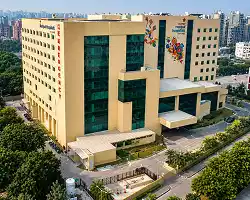
Dwarka - Delhi NCR
-

Patiala
-

Jaipur
-

Salem
-
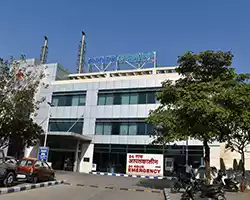
Kharadi - Pune
-

Salt Lake - Kolkata
-

Bhubaneswar
-

Siliguri
-

Ranchi
Didn’t find what you were looking for?
Get in touch with our representatives for help!
Request a CallbackSymptoms of Low Ovarian Reserve
Symptoms may include irregular or shorter menstrual cycles, difficulty conceiving despite regular attempts, reduced menstrual flow or missed periods, vaginal dryness, and hot flashes. However, some individuals may not experience noticeable low ovarian reserve symptoms.
How We Diagnose Low Ovarian Reserve
Low ovarian reserve diagnosis begins with a detailed consultation reviewing menstrual history, reproductive health, and fertility concerns. Blood tests measure hormone levels such as anti-Müllerian hormone (AMH), follicle-stimulating hormone (FSH), and oestradiol to assess ovarian reserve. Ultrasound imaging evaluates antral follicle count and ovarian structure. Additional fertility assessments may be recommended to identify contributing factors.
Treatment Options
Low ovarian reserve treatment options may include hormone therapy, ovulation induction, in vitro fertilisation (IVF), egg freezing, or the use of donor eggs. Assisted reproductive technologies may be recommended to improve the chances of conception.
What to Expect
At Manipal Hospitals, management of low ovarian reserve begins with a comprehensive reproductive health assessment. Doctors evaluate menstrual patterns, hormonal profile, and ovarian function through blood tests and imaging studies such as ultrasound. These findings help determine the extent of ovarian reserve reduction and guide individualised treatment planning. Age, overall health, and reproductive goals are also considered to tailor the most appropriate approach.
Patients receive detailed counselling regarding fertility options, reproductive goals, and timelines. Hormone therapy may be recommended to support ovarian response, while ovulation induction can help regulate egg release and improve chances of conception.
In selected cases, assisted reproductive techniques such as in vitro fertilisation (IVF) are advised to enhance pregnancy outcomes. Fertility preservation through egg freezing may also be considered for individuals planning delayed pregnancy.
Regular follow-up visits help monitor hormonal response, adjust treatment, and track progress. Nutritional guidance, lifestyle advice, and emotional support are integrated into care to improve overall well-being and support successful reproductive outcomes.
Consult our Experts
FAQs
-
What are the common causes of low ovarian reserve?
Low ovarian reserve causes may include natural ageing, genetic factors, autoimmune conditions, certain medications, or previous ovarian surgery. Cancer treatments such as chemotherapy or radiation may also reduce ovarian reserve. In some cases, the cause remains unknown.
-
Who is at higher risk of developing low ovarian reserve symptoms?
Women over 35 years are at higher risk of developing low ovarian reserve. Those with a family history of early menopause, prior ovarian surgery, chemotherapy or radiation exposure, and certain genetic or autoimmune conditions are also more likely to be affected.
-
When should someone see a doctor for low ovarian reserve?
Medical consultation is advised if menstrual cycles become irregular or pregnancy does not occur despite regular attempts. Early fertility assessment helps identify underlying issues and allows timely intervention to improve reproductive outcomes.
-
Can low ovarian reserve be treated?
Low ovarian reserve cannot usually be reversed, but fertility treatments can improve the chances of conception. Hormone therapy and assisted reproductive techniques help support ovarian response, egg development, and fertilisation.
-
Does low ovarian reserve mean pregnancy is impossible?
No. Pregnancy is still possible in many cases despite reduced ovarian reserve. The condition reflects lower egg quantity or quality, not complete infertility, and appropriate treatment can help improve the chances of conception.



You’re on Our Indian Website
Visit the Global site for International patient services
'Click' to chat with us
