51.webp "Hemorrhoids: Symptoms, Causes & Treatment | Manipal Hospitals")

Hemorrhoids
Hemorrhoids
Haemorrhoids, also known as piles, are swollen and inflamed veins in the lower rectum or around the anus. They develop due to increased pressure in the rectal veins. This is caused by chronic constipation, prolonged straining during bowel movements, pregnancy, obesity, or long periods of sitting. Haemorrhoids may be internal or external. At Manipal Hospitals, early diagnosis and appropriate treatment help relieve symptoms and prevent complications such as persistent bleeding or thrombosis.
Our Locations
-

Old Airport Road - Bengaluru
-
.webp)
Mysuru
-

Mangaluru
-
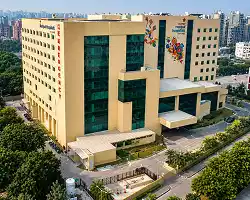
Dwarka - Delhi NCR
-

Patiala
-

Jaipur
-

Vijayawada
-

Salem
-
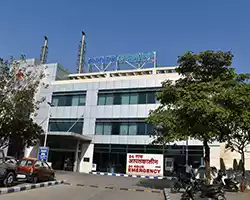
Kharadi - Pune
-

Salt Lake - Kolkata
-

Bhubaneswar
-

Siliguri
-

Ranchi

Didn’t find what you were looking for?
Get in touch with our representatives for help!
Request a CallbackSymptoms of Hemorrhoids
Haemorrhoids symptoms may include painless rectal bleeding during bowel movements, itching, anal irritation, swelling, discomfort while sitting, or a tender lump near the anus. Internal haemorrhoids may prolapse, while external haemorrhoids can become painful, especially if a blood clot develops.
How We Diagnose Hemorrhoids
Haemorrhoids diagnosis begins with a detailed medical history and physical examination. Doctors assess symptoms such as bleeding, pain, or swelling. A digital rectal examination may be performed to evaluate internal haemorrhoids. In some cases, anoscopy, sigmoidoscopy, or colonoscopy procedures may be advised to rule out other causes of rectal bleeding. This is especially important in older adults or individuals with risk factors.
Treatment Options
Haemorrhoids treatment focuses on relieving symptoms, reducing inflammation, and preventing recurrence. Options include dietary changes, increased fibre and fluids, topical or oral medications, minimally invasive procedures, and surgery in advanced cases. Treatment depends on severity and overall health.
What to Expect
Patients seeking haemorrhoids treatment at Manipal Hospitals receive comprehensive and personalised care. The evaluation begins with a detailed discussion of symptoms, bowel habits, dietary patterns, and risk factors such as constipation or prolonged sitting. A physical examination is conducted to determine whether the haemorrhoids are internal or external and to assess their grade.
Once a haemorrhoid diagnosis is confirmed, an individualised haemorrhoid treatment plan is created. Mild cases are often managed with increased dietary fibre, adequate hydration, stool softeners, and medicated creams or suppositories to reduce pain, itching, and inflammation. Warm sitz baths may also be recommended for symptom relief.
For persistent or more advanced haemorrhoids, minimally invasive procedures such as rubber band ligation, sclerotherapy, or infrared coagulation may be advised. These procedures aim to shrink or remove the swollen veins with minimal discomfort. In severe cases, particularly with large prolapsing haemorrhoids or recurrent bleeding, surgical removal (haemorrhoidectomy) may be recommended.
Regular follow-up is important for monitoring healing and preventing recurrence. Long-term management focuses on healthy bowel habits, avoiding straining, and maintaining a fibre-rich diet to reduce rectal pressure and improve overall quality of life.
Consult our Experts
FAQs
-
What are the common causes of haemorrhoids?
Common haemorrhoid causes include chronic constipation, straining during bowel movements, prolonged sitting, pregnancy, obesity, and a low-fibre diet. Increased pressure in the rectal veins leads to swelling and inflammation of the blood vessels.
-
What are the early symptoms of haemorrhoids to watch for?
Early haemorrhoid symptoms may include mild rectal bleeding during bowel movements, itching around the anus, and discomfort while sitting. Recognising symptoms early allows timely haemorrhoid diagnosis and prevents progression.
-
What is the difference between internal and external haemorrhoids?
Internal haemorrhoids develop inside the rectum and usually cause painless bleeding. External haemorrhoids occur under the skin around the anus and may cause pain, swelling, and irritation. External haemorrhoids are more likely to be painful, especially if a clot forms.
-
Can haemorrhoids be cured permanently?
With appropriate haemorrhoids treatment and lifestyle changes such as improved diet and bowel habits, symptoms can be effectively controlled. However, recurrence is possible if underlying risk factors are not addressed.
-
When should I see a doctor for haemorrhoids?
Consult the best doctor for haemorrhoids if you experience persistent rectal bleeding, severe pain or prolapsing haemorrhoids that do not go back inside. Also seek medical advice if symptoms do not improve with home care.



You’re on Our Indian Website
Visit the Global site for International patient services
'Click' to chat with us
