


Appointment Helpline


Painful bowel movements refer to discomfort, burning, cramping, or pain that occurs during or after passing stools. Medically, this symptom may be described as dyschezia and can also be associated with tenesmus, a distressing sensation of incomplete bowel evacuation. Occasional pain may occur due to temporary constipation, dehydration, or dietary changes. However, persistent painful bowel movements may indicate an underlying gastrointestinal or anorectal condition that requires medical evaluation.
The intensity of pain can vary from mild irritation to sharp, severe discomfort. It may be accompanied by symptoms such as lower abdominal pain, rectal bleeding, mucus in the stool, straining, constipation, or diarrhoea. In some individuals, pain may continue even after defecation, affecting daily comfort and quality of life. Common causes include haemorrhoids, anal fissures, gastrointestinal infections, inflammatory bowel diseases such as Crohn’s disease or ulcerative colitis, and irritable bowel syndrome.
At Manipal Hospitals, painful bowel movements are evaluated as a clinical symptom rather than an isolated complaint. Gastroenterologists conduct structured assessments, including medical history, physical examination, and appropriate investigations, to identify the underlying cause. Based on the diagnosis, personalised treatment plans help relieve pain, restore normal bowel function, and prevent long-term complications.

Consult a doctor online in just 10 minutes – anytime, anywhere!
Symptoms vary depending on the cause, severity, and duration of the condition. They may affect the anal region, bowel function, or extend to the surrounding abdominal areas. Common associated symptoms include:
Local and bowel-related symptoms:
Pain or burning sensation during defecation
Rectal pain or ongoing discomfort
Straining while passing stools
A persistent feeling of incomplete evacuation
Constipation or passage of hard stools
Diarrhoea or loose bowel movements
Presence of mucus in stools
Anal itching, soreness, or irritation
Rectal bleeding or blood in stools
Associated symptoms:
Abdominal cramping or discomfort
Lower abdominal pain before bowel movement
Noticeable changes in bowel habits or stool frequency
Pain during intercourse (dyspareunia) in some individuals
When symptoms persist, worsen, or are accompanied by bleeding, severe pain, fever, or unexplained weight loss, a medical evaluation is essential. Early assessment helps identify infections, inflammatory bowel diseases, or structural anorectal conditions, ensuring timely and appropriate treatment.
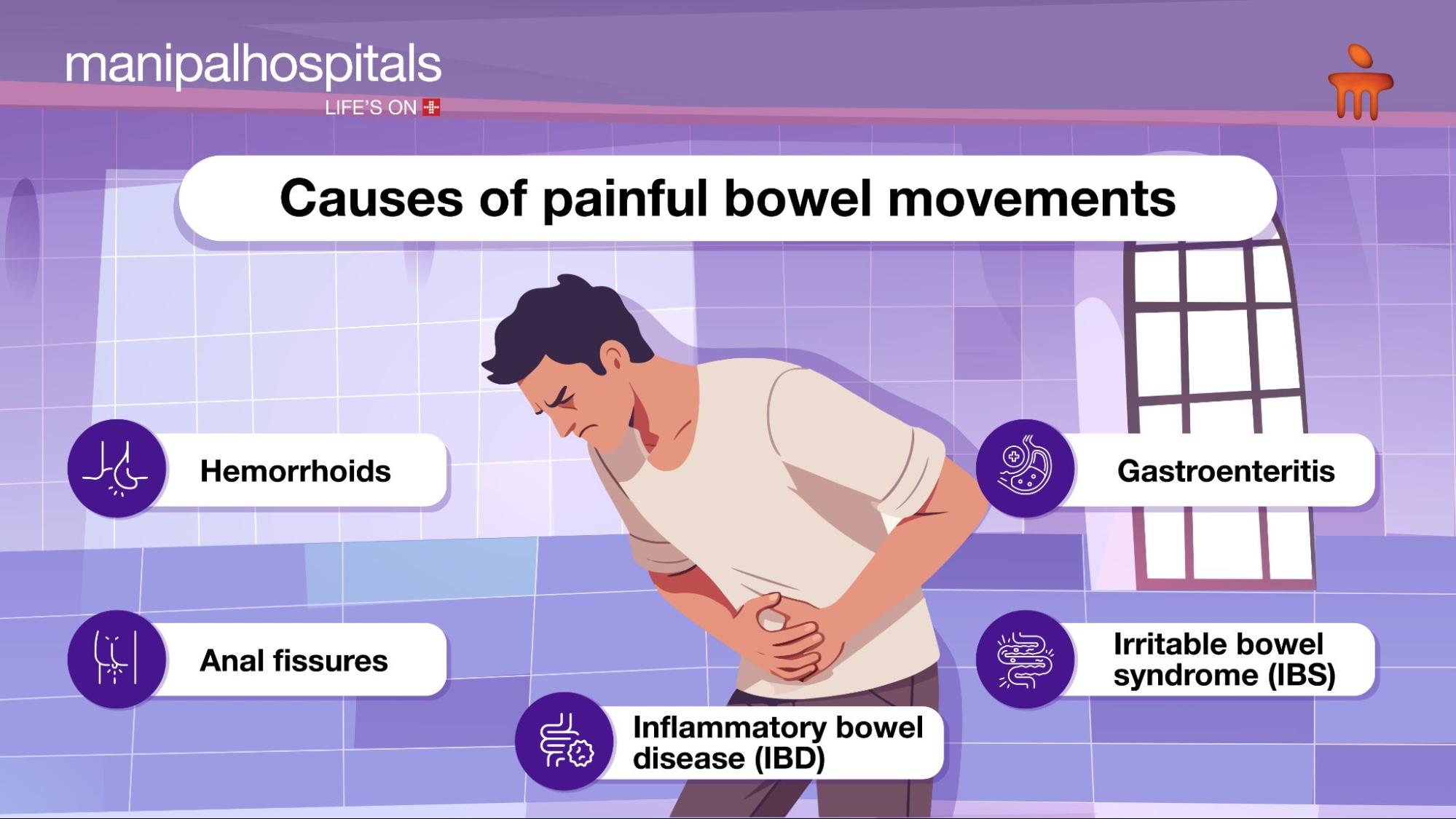
Lower abdominal pain before bowel movements can develop due to irritation, inflammation, infection, or structural problems affecting the rectum, anus, or intestines. Common causes include:
Haemorrhoids: Swollen veins in the rectum or anus caused by excessive straining, chronic constipation, prolonged sitting, or pregnancy, leading to pain, itching, and rectal bleeding.
Anal fissures: Small tears in the anal lining, often resulting from passing hard or large stools, childbirth, or repeated diarrhoea, causing sharp pain and bleeding during bowel movements.
Inflammatory bowel diseases: Conditions such as Crohn’s disease and ulcerative colitis that cause inflammation of the digestive tract, leading to abdominal pain, diarrhoea, and painful defecation.
Gastroenteritis: Inflammation of the stomach and intestines that results in cramping, diarrhoea, and bowel discomfort.
Irritable bowel syndrome: A functional gastrointestinal disorder characterised by abdominal pain, bloating, and altered bowel habits without structural abnormalities.
Identifying the exact cause is essential for accurate diagnosis and targeted, effective treatment.
Precise diagnosis requires a structured clinical approach rather than relying on symptoms alone. Gastroenterologists use a combination of clinical evaluation and diagnostic tests to identify the underlying cause and guide appropriate treatment. Common diagnostic steps include:
Detailed medical history and symptom review: Assessment of pain characteristics, bowel habits, dietary patterns, duration of symptoms, and associated features such as bleeding or weight loss.
Digital rectal examination (DRE): A physical examination of the anus and rectum to identify haemorrhoids, fissures, tenderness, masses, or other anorectal abnormalities.
Stool analysis: Laboratory examination of stool samples to detect infections, inflammation, parasites, or the presence of blood that may indicate gastrointestinal disease.
Colonoscopy: A visual examination of the entire colon using a flexible camera to identify inflammation, ulcers, polyps, bleeding sources, or other structural abnormalities.
Flexible sigmoidoscopy: A targeted procedure to examine the lower part of the colon and rectum, often used when symptoms are localised to this region.
Imaging tests: CT scan or MRI may be recommended to assess deeper structural issues, complications, or conditions not visible through endoscopy.
This comprehensive evaluation helps differentiate functional disorders from inflammatory, infectious, or structural conditions, ensuring accurate diagnosis and effective treatment planning.
Treatment depends on the cause, the severity of symptoms, and the individual’s overall health. A targeted treatment approach helps relieve discomfort, promote healing, and prevent recurrence. Common treatment options include:
Dietary changes: Increasing fibre intake through fruits, vegetables, and whole grains, along with adequate hydration, helps soften stools and reduce straining during bowel movements.
Medications: Stool softeners, laxatives when indicated, topical creams, pain relievers, and anti-inflammatory medicines may be prescribed to ease pain and reduce swelling.
Sitz baths: Sitting in warm water for short periods can soothe anal pain, improve blood flow, and relax the anal muscles, offering significant symptom relief.
Lifestyle modifications: Regular physical activity, healthy bowel habits, limited prolonged sitting, and effective stress management improve bowel function and help reduce symptom flare-ups.
Surgical procedures: Procedures such as haemorrhoidectomy or anal fissure repair may be recommended in severe or persistent cases.
Early and appropriate treatment reduces pain, improves bowel comfort, and helps prevent complications or recurrence.
For mild, painful symptoms, supportive home care measures can help relieve discomfort and promote healing. Common home care measures include:
Warm compresses: Applying a warm, moist compress to the anal area helps relax muscles, improve blood flow, and reduce pain or spasms.
Warm baths or Epsom salt soaks: Soaking in warm water can ease inflammation, soothe irritation, and provide relief from anal discomfort and cramping.
Witch hazel pads: Using witch hazel wipes or pads may help reduce swelling, soothe itching, and relieve discomfort caused by haemorrhoids.
High-fibre diet: Including fibre-rich foods such as fruits, vegetables, whole grains, and legumes softens stools, making them easier to pass and reducing strain.
Adequate hydration: Drinking sufficient water throughout the day helps prevent constipation and supports regular bowel movements.
While these home remedies can ease mild symptoms, they should not replace medical evaluation for persistent, worsening, or severe pain.
Common causes include haemorrhoids, anal fissures, inflammatory bowel diseases, infections, and constipation due to diet, dehydration, or underlying health conditions.
Consult a doctor if pain persists, worsens, or is accompanied by bleeding, changes in bowel habits, or other concerning symptoms.
Try warm compresses, sitz baths, over-the-counter pain relievers, a high-fibre diet, adequate hydration, and avoiding straining during bowel movements.
Yes, maintaining a balanced diet rich in fibre, staying hydrated, exercising regularly, managing stress, and avoiding prolonged sitting can help.
Yes, they can indicate underlying conditions like inflammatory bowel diseases, colorectal cancer, or infections, necessitating medical evaluation for proper diagnosis and treatment.



Visit the Global site for International patient services


