
.webp "Advanced Terminal Cancer Care | Manipal Hospitals")
Advanced Terminal Cancer
Advanced Terminal Cancer
Palliative care for cancer focuses on improving comfort, dignity, and quality of life for individuals with serious cancer. It addresses physical symptoms, emotional concerns, and treatment-related side effects. Care is often required in advanced cancer when curative treatment is no longer effective. Early support helps manage pain, fatigue, and distress. Specialists at Manipal Hospitals provide palliative care services for patients requiring terminal cancer care.
Our Locations
-

Old Airport Road - Bengaluru
-
.webp)
Mysuru
-

Mangaluru
-
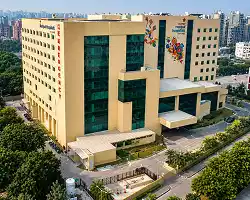
Dwarka - Delhi NCR
-

Patiala
-

Jaipur
-

Vijayawada
-
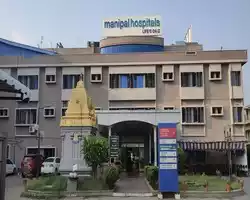
Salem
-
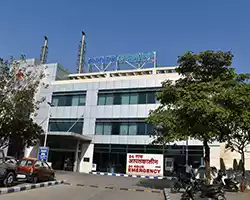
Kharadi - Pune
-

Salt Lake - Kolkata
-

Bhubaneswar
-

Siliguri
-

Ranchi

Didn’t find what you were looking for?
Get in touch with our representatives for help!
Request a CallbackSymptoms of Advanced Terminal Cancer
Symptoms related to advanced terminal cancer include persistent pain, severe fatigue, reduced physical strength, and difficulty breathing. Other symptoms include loss of appetite, unintentional weight loss, emotional distress, anxiety, and sleep disturbance.
How We Diagnose Advanced Terminal Cancer
Palliative care assessment begins with a detailed consultation to evaluate disease stage and overall health status. Doctors review previous treatments, symptom severity, and complications related to advanced cancer. Diagnostic tests such as blood tests or imaging may be performed to evaluate disease progression. Pain assessment scales help measure symptom intensity and treatment response.
Treatment Options
Treatment options may include pain management, palliative chemotherapy, radiation therapy for symptom relief, and nutritional support. Oxygen therapy and psychological counselling may also be provided. Care plans are tailored to disease stage, symptom severity, and individual needs. Hospice or end-of-life care is considered when required.
What to Expect
At Manipal Hospitals, management of palliative care for cancer begins with a comprehensive clinical assessment. Doctors evaluate physical symptoms, emotional concerns, and the impact of the disease on daily activities. Individuals with advanced cancer often require coordinated medical support to maintain comfort and functional independence.
A multidisciplinary team, including oncologists and palliative specialists, develops a structured plan to guide effective care. The treatment plan focuses on relieving pain, reducing complications, and stabilising symptoms.
Pain management therapy is commonly used to control severe discomfort. Radiation therapy may be recommended to shrink tumours causing pressure or nerve pain. Palliative chemotherapy may be used in selected cases to slow disease progression and relieve symptoms.
Patients with difficulty eating may receive nutritional support through diet plans or feeding support. Breathing discomfort may require oxygen therapy or medications to improve airway comfort. Psychological counselling helps patients and families cope with emotional stress associated with cancer care.
Continuous monitoring ensures symptoms remain controlled as the disease progresses. Palliative specialists coordinate with oncology, nursing, and rehabilitation teams to address changing medical needs. End-of-life planning discussions are handled with sensitivity and clinical clarity.
Consult our Experts
FAQs
-
What is palliative care for cancer?
Palliative care for cancer is specialised medical care that relieves symptoms and improves quality of life for people with cancer. It addresses pain, fatigue, breathing difficulties, and emotional distress.
-
When is palliative care recommended for cancer patients?
Palliative care may be recommended at any stage of cancer, especially when symptoms become difficult to manage. It is commonly required in advanced terminal cancer when the disease significantly affects daily life.
-
Is palliative care only used in terminal cancer care?
No. Palliative care can be introduced during active cancer treatment to manage side effects and improve comfort. However, it becomes particularly important in terminal cancer care when the focus shifts to symptom relief.
-
Does palliative care mean cancer treatment will stop?
No. Palliative care does not always replace cancer treatment. Some patients continue treatments such as radiation therapy or palliative chemotherapy to help relieve symptoms.
-
What support do families receive during terminal cancer care?
Families receive counselling, guidance on symptom management, and support in making medical decisions. Emotional and psychological support is a key component of palliative care services.



You’re on Our Indian Website
Visit the Global site for International patient services
'Click' to chat with us
