6 Min Read
Have you ever noticed your hands shaking while holding a cup of tea, writing, or even using your phone? At first, it may seem like a minor issue—something caused by stress or tiredness. But when this becomes frequent, many people start asking, “Why do my hands shake?”
Shaking hands, medically known as tremors, can happen to anyone at any age. While in many cases they are harmless, sometimes they may indicate an underlying neurological or medical condition that requires attention. Understanding the causes, recognising the symptoms, and knowing the right treatment for hand tremors can help you take control of your health early.
At Manipal Hospital Kharadi, specialists often see patients who initially ignored mild tremors, only to realise later that early evaluation could have made a big difference.
Synopsis
What Are Hand Tremors?
Hand tremors are involuntary, rhythmic shaking movements of the hands. These movements can vary in intensity, ranging from barely noticeable to severe enough to interfere with daily activities.
Tremors are generally classified into:
-
Resting tremors - Occur when your hands are relaxed
-
Action tremors - Occur when you are using your hands (writing, eating, holding objects)
Understanding the type of tremor is essential in identifying the underlying cause.
Common Causes of Shaking Hands
There are several reasons why hand tremors occur. Let’s look at the most common ones simply and practically.
1. Anxiety and Stress
One of the most frequent causes of shaking hands is anxiety.
Situations like public speaking, interviews, or emotional stress can trigger temporary tremors. This is often referred to as shaking hands anxiety, and it happens because your body releases stress hormones like adrenaline.
The good news: these tremors usually disappear once you relax.
2. Essential Tremor
Essential tremor is one of the most common neurological causes of hand shaking.
Essential tremor symptoms include:
-
Shaking during movement
-
Tremors in both hands
-
Difficulty holding small objects
Although not life-threatening, it can gradually affect daily activities such as writing, eating, or drinking.
3. Low Blood Sugar (Hypoglycemia)
Skipping meals or long gaps between eating can cause a drop in blood sugar levels, leading to:
-
Sudden shaking
-
Sweating
Eating something quickly usually resolves the symptoms.
4. Excess Caffeine Intake
Love your coffee a little too much? Excess caffeine can overstimulate the nervous system and lead to noticeable hand tremors.
Reducing intake often improves the condition significantly.
5. Medication Side Effects
Certain medications can cause tremors as a side effect. These may include:
-
Asthma inhalers
-
Antidepressants
-
Some neurological drugs
If you notice shaking after starting a new medication, consult your doctor.
6. Neurological Disorders
In some cases, shaking hands may be linked to serious neurological conditions.
-
Parkinson’s Disease
-
Tremors at rest
-
Slowness of movement
-
Muscle stiffness
-
-
Multiple Sclerosis
-
Tremors during movement
-
Coordination problems
-
These conditions require early diagnosis and specialised care.
7. Thyroid Disorders
An overactive thyroid (hyperthyroidism) can increase metabolism, causing:
-
Hand tremors
-
Rapid heartbeat
-
Weight loss
Blood tests can easily diagnose this condition.
Shaking Hands Symptoms to Watch For
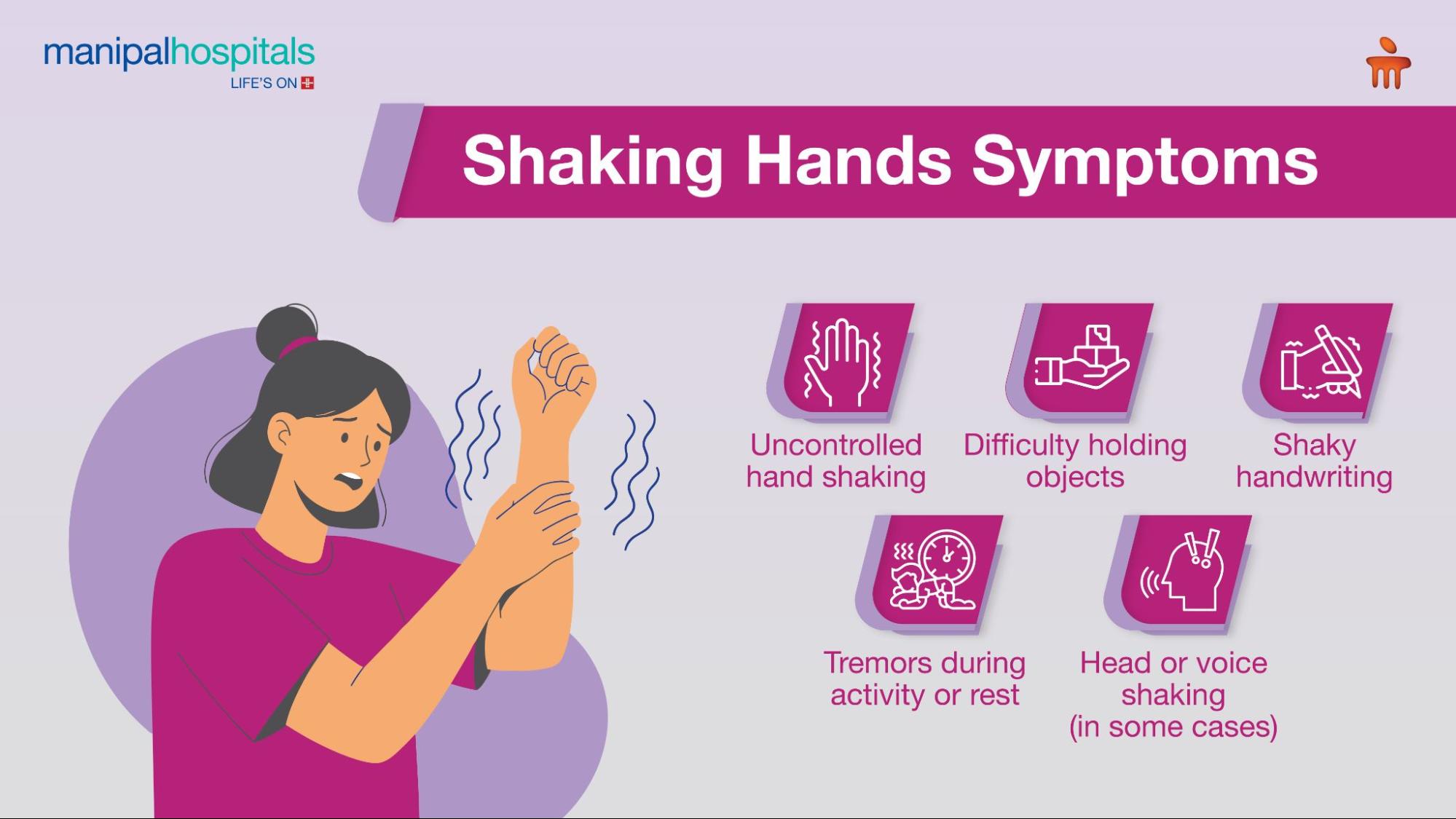
Recognising symptoms early can help in timely treatment. Common shaking-hands symptoms include
-
Trembling in one or both hands
-
Difficulty holding objects steadily
-
Shaking that worsens with stress
-
Head or voice tremors
-
Fatigue or weakness along with tremors
If these symptoms persist, it’s important not to ignore them.
Not all tremors are serious, but some warning signs should prompt medical attention.
You should consult a specialist if:
-
Tremors are increasing in frequency or intensity
-
They interfere with daily activities
-
You experience additional neurological symptoms
-
The shaking starts suddenly without any clear reason
At Manipal Hospital, neurologists in Kharadi, Pune emphasise that early diagnosis leads to better outcomes and improved quality of life.
Diagnosis of Hand Tremors
To identify the exact cause, doctors follow a systematic approach:
-
Medical history review
-
Physical and neurological examination
-
Blood tests (to check sugar levels and thyroid function)
-
Imaging tests like MRI or CT scan (if needed)
This comprehensive evaluation helps determine the most effective treatment plan.
Treatment for Hand Tremors
The treatment for hand tremors depends entirely on the underlying cause.
1. Lifestyle Modifications
In many mild cases, simple lifestyle changes can make a significant difference:
-
Reduce caffeine consumption
-
Maintain a regular sleep schedule
-
Avoid skipping meals
-
Manage stress effectively
2. Medications
Doctors may prescribe medications to control tremors, especially in cases of essential tremor or neurological conditions. These medications help stabilise nerve activity and reduce shaking.
3. Stress Management
For anxiety-related tremors, relaxation techniques are highly effective:
-
Deep breathing exercises
-
Meditation
-
Yoga
These methods calm the nervous system and reduce tremor frequency.
4. Physical and Occupational Therapy
Therapy can help improve hand coordination and muscle control, making daily activities easier.
5. Advanced Treatment Options
-
For severe cases, advanced treatments may be recommended:
-
Botulinum toxin injections
-
Deep Brain Stimulation (DBS)
These are typically considered when tremors significantly affect quality of life.
How to Stop Hand Shaking Naturally
If your tremors are mild, these practical tips can help:
-
Limit caffeine and energy drinks
-
Stay hydrated
-
Eat balanced meals on time
-
Practise relaxation techniques
-
Get adequate sleep
Small daily changes can go a long way in reducing symptoms.
Living with Hand Tremors
Living with tremors can sometimes feel frustrating, especially when it affects simple tasks like writing or eating. However, with the right diagnosis and treatment, most people can manage their symptoms effectively and lead a normal life.
The key lies in:
-
Identifying triggers
-
Following medical advice
-
Making healthy lifestyle choices
Conclusion
Shaking hands may appear to be a minor issue, but it should never be ignored if it persists. Whether it’s due to anxiety, lifestyle factors, or an underlying neurological condition, timely intervention can prevent complications.
At Manipal Hospital Kharadi, expert neurologists provide comprehensive evaluation and personalised treatment plans to help patients regain confidence and control over their daily lives.
If you’ve been wondering, “Why do my hands shake?" it might be time to seek professional guidance and take the first step towards better neurological health.
FAQ's
The most common causes include anxiety, essential tremor, low blood sugar, caffeine intake, and neurological disorders.
Yes, shaking-hands anxiety is very common and usually occurs during stressful situations.
No, it is not life-threatening, but it can affect daily activities if not managed properly.
Treatment depends on the cause and may include lifestyle changes, medications, or therapy.
If tremors are persistent, worsening, or associated with other symptoms, you should consult a doctor immediately.
Share this article on: