7 Min Read
Headaches are among the most common health complaints worldwide. Almost everyone experiences a headache at some point, whether due to stress, lack of sleep, dehydration, or illness. However, when headaches become frequent, persistent, or severe, they can interfere with your daily activities and significantly affect your quality of life. Understanding frequent headache causes is essential because recurring headaches may sometimes indicate an underlying neurological condition that requires medical attention.
At Manipal Hospital Kharadi, our experienced neurology specialists help patients identify the root cause of their headaches and provide personalised treatment plans to improve their overall well-being. If you find yourself reaching for painkillers regularly or experiencing headaches several times a month, it may be time to seek professional guidance.
Synopsis
- What Are Frequent Headaches?
- Common Frequent Headaches Causes
- Headache Symptoms You Should Never Ignore
- Migraine vs Headache: Understanding the Difference
- When to See a Neurologist for Headaches
- How Frequent Headaches Are Diagnosed
- Treatment Options for Frequent Headaches
- Tips to Prevent Frequent Headaches
- Why Choose Manipal Hospital Kharadi for Neurology Care?
What Are Frequent Headaches?
A headache is generally considered frequent or chronic when it occurs on 15 or more days every month for at least three months. These headaches may range from mild discomfort to intense, throbbing pain that affects work, sleep, and social activities.
While occasional headaches are usually harmless, recurrent headaches should never be ignored. Understanding the underlying frequent headaches causes can help prevent complications and improve long-term health outcomes.
Common Frequent Headaches Causes
There are several reasons why people experience recurrent headaches. These can be broadly classified into primary headaches and secondary headaches.
Tension Headaches
Tension headaches are the most common type of headache. They are often described as a tight band of pressure around the head or forehead.
Common triggers include:
-
Emotional stress
-
Poor posture
-
Long working hours
-
Eye strain
-
Lack of sleep
Although usually mild to moderate in intensity, chronic tension headaches can occur frequently and become difficult to manage without proper intervention.
Migraines
Migraines are a neurological disorder rather than just a severe headache. They often cause throbbing pain, typically on one side of the head, and may be accompanied by:
-
Nausea
-
Vomiting
-
Sensitivity to light
-
Sensitivity to sound
-
Visual disturbances
Understanding the difference between migraine vs headache is important because migraines often require specialised treatment and preventive strategies.
Cluster Headaches
Cluster headaches are less common but extremely painful. They occur in cycles or clusters and usually affect one side of the head.
Symptoms may include:
-
Severe pain around one eye
-
Redness of the eye
-
Excessive tearing
-
Nasal congestion
-
Restlessness
These headaches often require evaluation by a neurologist for accurate diagnosis and treatment.
Secondary Headaches
Secondary headaches occur as a result of another medical condition.
Some common chronic headache causes include:
-
Sinus infections
-
High blood pressure
-
Dehydration
-
Medication overuse
-
Sleep disorders
-
Eye problems
-
Head injuries
-
Brain disorders
Treating the underlying condition is often the key to relieving these headaches.
Headache Symptoms You Should Never Ignore
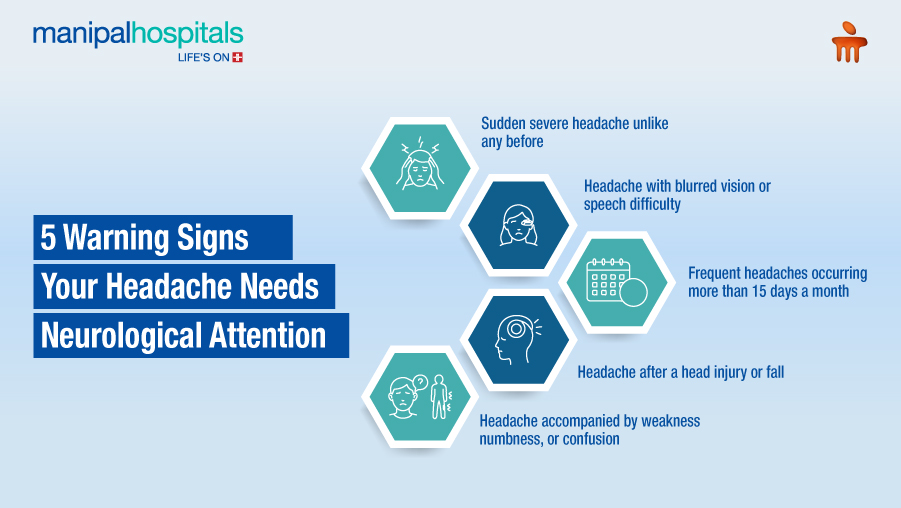
Many people dismiss recurring headaches as a normal part of life. However, certain headache symptoms may indicate a more serious health issue.
Watch for the following warning signs:
-
Sudden severe headache
-
Headache accompanied by fever
-
Stiff neck
-
Vision changes
-
Difficulty speaking
-
Weakness or numbness
-
Confusion or altered consciousness
-
Persistent vomiting
-
Headache after a head injury
If you experience any of these symptoms, seek immediate medical attention.
Migraine vs Headache: Understanding the Difference
Many people use the terms "migraine" and "headache" interchangeably, but they are not the same.
|
Feature |
Regular Headache |
Migraine |
|
Pain Intensity |
Mild to Moderate |
Moderate to Severe |
|
Location |
Both sides of the head |
Often one side |
|
Nausea |
Rare |
Common |
|
Light Sensitivity |
Uncommon |
Very Common |
|
Duration |
Few hours |
Hours to Days |
|
Physical Activity |
Usually tolerated |
Often worsens symptoms |
Understanding migraine vs. headache helps ensure appropriate treatment and symptom management.
When to See a Neurologist for Headaches
Many headaches can be managed through lifestyle changes and over-the-counter medications. However, certain situations require specialist evaluation.
Consider consulting a neurologist if:
-
Headaches occur more than 15 days per month
-
Symptoms are becoming more severe
-
Pain medications are no longer effective
-
Headaches interfere with daily life
-
You experience neurological symptoms
-
There is a sudden change in the headache pattern
-
You wake up with headaches frequently
Knowing when to see a neurologist for headaches can help identify potentially serious conditions early and improve treatment outcomes.
How Frequent Headaches Are Diagnosed
At Manipal Hospital Kharadi, diagnosis begins with a detailed evaluation of your symptoms, medical history, and lifestyle factors.
Your neurologist may recommend:
-
Neurological examination
-
Blood tests
-
MRI scan
-
CT scan
-
Vision assessment
-
Sleep evaluation
These investigations help determine whether the headaches are primary or secondary in nature and guide the most appropriate treatment plan.
Treatment Options for Frequent Headaches
The right treatment depends on the underlying cause and type of headache.
Medications
Treatment may include:
-
Pain relievers
-
Migraine-specific medications
-
Preventive medications
-
Anti-inflammatory medicines
Lifestyle Modifications
Simple lifestyle changes can significantly reduce headache frequency:
-
Maintaining regular sleep patterns
-
Drinking adequate water
-
Managing stress
-
Eating balanced meals
-
Limiting caffeine intake
-
Exercising regularly
Stress Management
Stress is one of the leading causes of frequent headaches. Techniques such as yoga, meditation, breathing exercises, and mindfulness can help reduce headache episodes.
Trigger Identification
Keeping a headache diary can help identify common triggers such as the following:
-
Certain foods
-
Alcohol
-
Lack of sleep
-
Hormonal changes
-
Environmental factors
Avoiding these triggers can play a major role in headache prevention.
Tips to Prevent Frequent Headaches
Prevention is often the most effective strategy for long-term headache management.
Follow these practical tips:
-
Stay hydrated throughout the day
-
Get 7–9 hours of sleep
-
Avoid skipping meals
-
Take regular screen breaks
-
Manage stress effectively
-
Exercise consistently
-
Limit excessive caffeine and alcohol
-
Follow your doctor's treatment plan
These habits can significantly reduce the risk of developing chronic headaches.
Why Choose Manipal Hospital Kharadi for Neurology Care?
At Manipal Hospital Kharadi, patients receive comprehensive neurological care supported by advanced diagnostic facilities and experienced specialists. Our multidisciplinary approach ensures accurate diagnosis and effective management of headache disorders, migraines, and other neurological conditions.
Whether you are dealing with occasional migraines or persistent daily headaches, our neurology team is committed to helping you achieve lasting relief and improved quality of life. Patients from across Pune trust Manipal Hospital Kharadi for expert neurological care, personalised treatment plans, and compassionate support throughout their healthcare journey.
Understanding frequent headache causes is the first step towards finding lasting relief. While many headaches are harmless, recurring or severe headaches should never be ignored. Conditions such as migraines, tension headaches, cluster headaches, and underlying neurological disorders often require professional evaluation and treatment.
If you are experiencing persistent headache symptoms, struggling to understand the difference between migraine vs headache, or wondering when to see a neurologist for headaches, consulting a specialist can help identify the cause and prevent future complications.
At Manipal Hospital, our expert neurologist in Kharadi is dedicated to providing accurate diagnoses, advanced treatment options, and comprehensive support to help you live a healthier, headache-free life.
FAQ's
Common causes include stress, migraines, tension headaches, dehydration, sleep disorders, medication overuse, and underlying medical conditions.
Seek medical attention if your headache is sudden, severe, associated with vision changes, weakness, confusion, or fever, or follows a head injury.
Migraines are neurological conditions that often cause severe pain, nausea, and sensitivity to light or sound, whereas regular headaches are generally less severe.
Yes. Proper hydration, adequate sleep, stress management, regular exercise, and identifying triggers can significantly reduce headache frequency.
Consult a neurologist if headaches occur frequently, worsen over time, interfere with daily life, or are accompanied by neurological symptoms.
Share this article on: