5 Min Read
A stroke, often described as a “brain attack", is one of the most serious medical emergencies that requires immediate attention. It occurs when the blood supply to a part of the brain is interrupted, depriving brain cells of oxygen and nutrients. Within minutes, these cells begin to die, which can lead to permanent disability or even death if not treated promptly.
Among the different types of stroke, acute ischaemic stroke is the most common and is usually caused by a blood clot blocking an artery in the brain. Fortunately, modern medical advancements have introduced highly effective treatments, and one of the most revolutionary among them is mechanical thrombectomy.
At Manipal Hospital Kharadi, this advanced, minimally invasive procedure is transforming stroke care by offering faster recovery, reduced disability, and improved survival rates.
Synopsis
- What is Mechanical Thrombectomy?
- How the Mechanical Thrombectomy Procedure Works
- Benefits of Mechanical Thrombectomy Stroke Treatment
- Why Time is Critical in Stroke Treatment
- Who is eligible for Mechanical Thrombectomy?
- Recovery and Post-Stroke Care
- Recognising Stroke Symptoms: Act FAST
- Advanced Stroke Care at Manipal Hospital Kharadi
What is Mechanical Thrombectomy?
Mechanical thrombectomy is a minimally invasive stroke treatment used to remove large blood clots from arteries in the brain. It is particularly effective in patients suffering from large vessel occlusion (LVO), a severe type of stroke where a major artery is blocked.
Unlike traditional treatments that rely only on clot-dissolving medications, mechanical thrombectomy physically removes the clot using specialised devices. This allows doctors to restore blood flow quickly, which is crucial in preventing extensive brain damage.
At Manipal Hospital Kharadi, the procedure is performed by experienced neuro-interventional specialists using advanced imaging technologies to ensure precision and safety.
How the Mechanical Thrombectomy Procedure Works
The mechanical thrombectomy procedure is carried out in a highly specialised angiography suite. It involves the following steps:
-
Preparation: The patient is given sedation or general anaesthesia to ensure comfort.
-
Catheter Insertion: A thin, flexible tube (catheter) is inserted into an artery, usually through the groin.
-
Navigation: Using real-time imaging, the catheter is guided through blood vessels to reach the blocked artery in the brain.
-
Clot Removal:
-
A stent retriever is deployed to capture and pull out the clot.
-
Alternatively, an aspiration device may be used to suction the clot out.
-
-
Restoration: Blood flow is restored and confirmed using imaging.
-
Closure: The catheter is removed, and the entry site is closed.
This minimally invasive stroke surgery avoids the need for open brain procedures and significantly reduces recovery time.
Benefits of Mechanical Thrombectomy Stroke Treatment
Mechanical thrombectomy has revolutionised stroke care and offers several advantages over conventional treatments:
-
High Success Rates: Studies show success rates of 80–95% in restoring blood flow in eligible patients.
-
Improved Recovery: Patients are more likely to regain independence and resume normal activities.
-
Reduced Disability: Early intervention minimises brain damage, lowering the risk of long-term complications.
-
Extended Treatment Window: While the ideal time is within 6 hours, select patients may benefit up to 24 hours after symptom onset.
-
Minimally Invasive: Smaller incisions mean less pain and faster healing.
At Manipal Hospital Kharadi, a rapid stroke response system ensures that patients receive timely treatment, maximising these benefits.
Why Time is Critical in Stroke Treatment
The phrase “time is brain” highlights the urgency of stroke care. Every minute of delay leads to the loss of millions of brain cells. Early recognition and quick medical intervention can significantly improve outcomes.
Mechanical thrombectomy is most effective when performed as early as possible. However, with advanced imaging, doctors can now identify patients who may still benefit even after several hours, making a timely hospital arrival crucial.
Who is eligible for Mechanical Thrombectomy?
Not every patient with a stroke qualifies for this procedure. Eligibility is determined through rapid evaluation and imaging. Factors include:
-
Diagnosis of acute ischemic stroke
-
Presence of a large vessel blockage
-
Onset of symptoms within 6 to 24 hours
-
Severity of neurological impairment
-
Limited irreversible brain damage
-
Overall health condition
At Manipal Hospital Kharadi, a dedicated stroke team conducts immediate assessments to determine whether mechanical thrombectomy is the right option.
Recovery and Post-Stroke Care
Recovery after a stroke varies from person to person and depends on the severity of brain injury and how quickly treatment was provided. Mechanical thrombectomy significantly improves recovery outcomes, but post-treatment care remains essential.
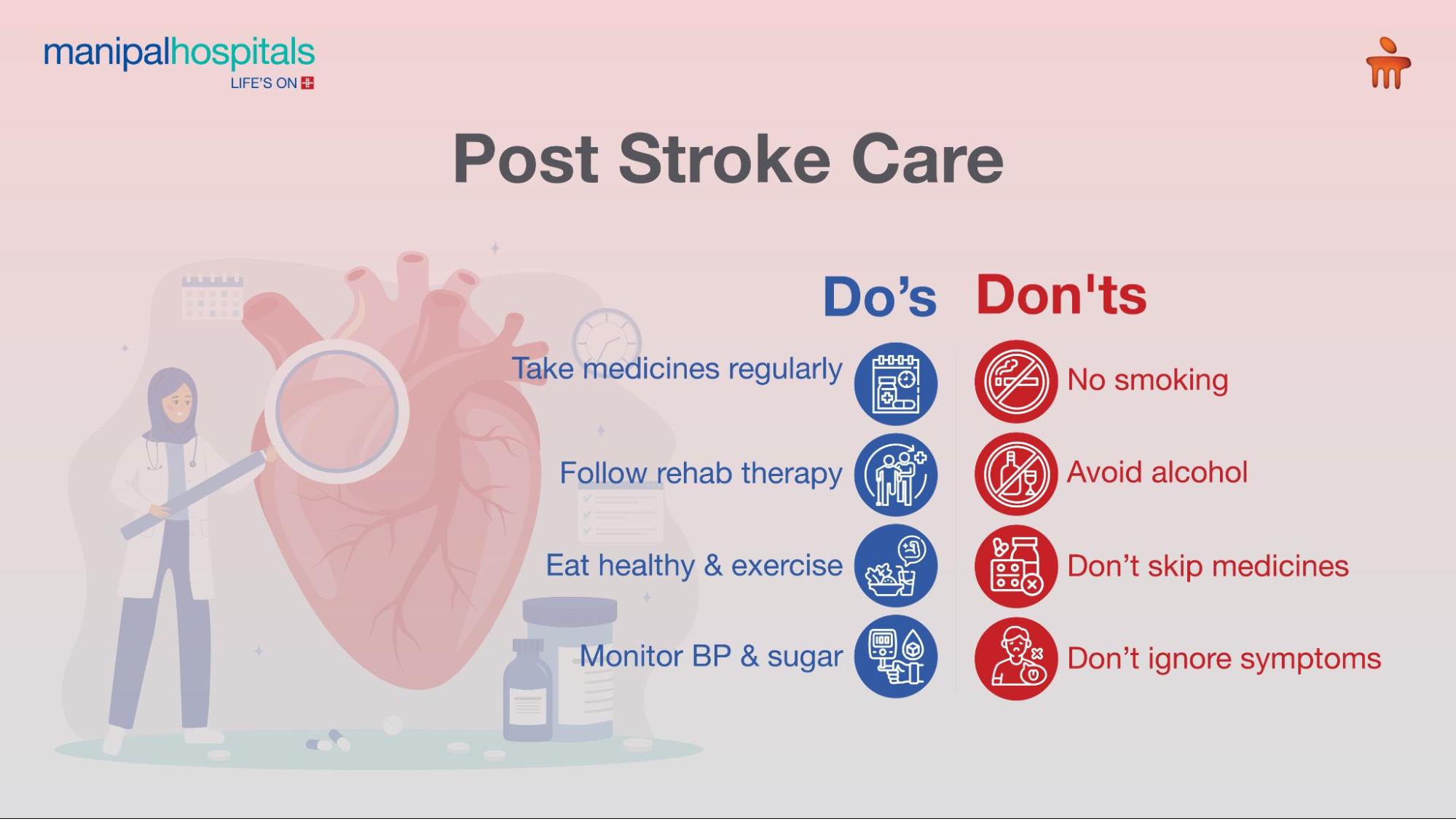
Do’s
-
Take medications as prescribed
-
Participate actively in rehabilitation therapies
-
Maintain a balanced diet and healthy lifestyle
-
Monitor blood pressure, diabetes, and cholesterol
-
Attend regular follow-ups
Don’ts
-
Avoid smoking and excessive alcohol use
-
Do not ignore warning signs
-
Do not skip medications
-
Avoid physical overexertion during early recovery
Recognising Stroke Symptoms: Act FAST
Early recognition can save lives. Remember the FAST acronym:
-
F – Face drooping
-
A – Arm weakness
-
S – Speech difficulty
-
T – Time to seek medical help
If any of these symptoms appear, immediate medical attention is essential.
Advanced Stroke Care at Manipal Hospital Kharadi
Stroke treatment has advanced significantly with innovations like mechanical thrombectomy, offering new hope to patients and families. With expert neurologists, state-of-the-art technology, and a patient-first approach, Manipal Hospital Kharadi is committed to delivering timely and effective stroke care.
Early diagnosis, rapid intervention, and comprehensive rehabilitation can make all the difference. If you or a loved one shows signs of stroke, do not delay—seek immediate medical attention.
Disclaimer
This article is intended for informational and educational purposes only and should not be considered a substitute for professional medical advice, diagnosis, or treatment. While every effort has been made to ensure the accuracy of the information, medical knowledge and guidelines may evolve.
FAQ's
The earlier, the better. Ideally within 6 hours, though some patients may benefit up to 24 hours.
Yes, when performed by experienced specialists, it is considered safe with high success rates.
Recovery varies but may take weeks to months, depending on the severity of the stroke.
Risks are minimal but may include bleeding, vessel damage, or infection.
No. Preventing future strokes requires lifestyle changes and managing risk factors.
Share this article on: