7 Min Read
Headaches are among the most common health complaints across all age groups. Most people experience a headache occasionally due to stress, lack of sleep, dehydration, or illness. However, for millions of people worldwide, migraines are far more than just a headache. They are a complex neurological condition that can interfere with work, family life, social activities, and overall well-being.
As we observe Migraine and Headache Awareness Month, it is important to raise awareness about the symptoms, triggers, and treatment options available for those struggling with recurrent headaches and migraines. Many individuals continue to suffer silently, assuming that frequent headaches are a normal part of life. In reality, proper diagnosis and timely treatment can significantly improve quality of life.
At Manipal Hospital Kharadi, our experienced neurologists help patients identify the root cause of their headaches and provide personalised treatment plans to help them regain control of their daily lives.
Synopsis
- Understanding the Difference Between a Headache and a Migraine
- Common Symptoms of Migraine
- Why Do Migraines Occur?
- Effective Ways to Manage Migraine Attacks
- Medical Treatment for Migraines
- Simple Do's and Don'ts for Migraine Prevention
- When Should You Consult a Neurologist?
- The Importance of Migraine Awareness
Understanding the Difference Between a Headache and a Migraine
Although the terms are often used interchangeably, headaches and migraines are not the same.
A headache refers to pain or discomfort in any part of the head. It can range from mild to severe and may occur due to various reasons, including stress, infections, eye strain, dehydration, or sinus problems.
A migraine, on the other hand, is a neurological disorder that causes recurrent attacks of moderate to severe headache, often accompanied by additional symptoms such as nausea, sensitivity to light, sound, or smell.
Migraine attacks can last for several hours or even days and may significantly affect a person's ability to function normally.
Common Symptoms of Migraine
Migraine symptoms can vary from person to person. Some individuals experience warning signs before the headache begins, while others may develop symptoms suddenly.
Common migraine symptoms include:
-
Severe throbbing or pulsating headache
-
Pain usually affecting one side of the head
-
Nausea and vomiting
-
Sensitivity to bright lights
-
Sensitivity to sounds
-
Sensitivity to strong smells
-
Blurred vision
-
Dizziness
-
Fatigue and weakness
-
Difficulty concentrating
Some people also experience a phenomenon known as an aura. This may include:
-
Flashing lights
-
Zigzag lines in vision
-
Temporary blind spots
-
Tingling sensations in the face or limbs
-
Speech difficulties
Recognising these symptoms early can help patients seek treatment before the migraine becomes more severe.
Why Do Migraines Occur?
Despite extensive research, the exact cause of migraines is not completely understood. However, experts believe that migraines result from abnormal brain activity affecting nerve signals, blood vessels, and brain chemicals.
Several factors may increase the likelihood of developing migraines, including:
-
Genetic Factors - Migraines often run in families. If one or both parents suffer from migraines, there is a higher chance that their children may also develop the condition.
-
Hormonal Changes - Women are more likely to experience migraines due to hormonal fluctuations during menstruation, pregnancy, or menopause.
-
Environmental Factors - Changes in weather, bright sunlight, loud noises, and strong smells can contribute to migraine attacks.
-
Lifestyle Habits - Poor sleep patterns, irregular meals, dehydration, and high stress levels can all increase migraine frequency.
Common Migraine Triggers
Every migraine patient has unique triggers. Understanding and identifying these triggers is one of the most effective ways to reduce attacks.
Some of the most common migraine triggers include:
-
Stress and Anxiety - Stress is considered one of the leading causes of migraine attacks. Emotional pressure at work, family concerns, or major life changes can trigger symptoms.
-
Sleep Disturbances - Both insufficient sleep and excessive sleep can provoke migraines.
-
Certain Foods - Some individuals notice migraines after consuming:
-
Aged cheese
-
Processed meats
-
Chocolate
-
Artificial sweeteners
-
Caffeinated beverages
-
Alcohol
-
-
Skipping Meals - Long gaps between meals can cause blood sugar levels to drop, triggering headaches and migraines.
-
Dehydration - Not drinking enough water is a common but often overlooked cause of headaches.
-
Weather Changes - Sudden temperature fluctuations and changes in atmospheric pressure can trigger migraines in susceptible individuals.
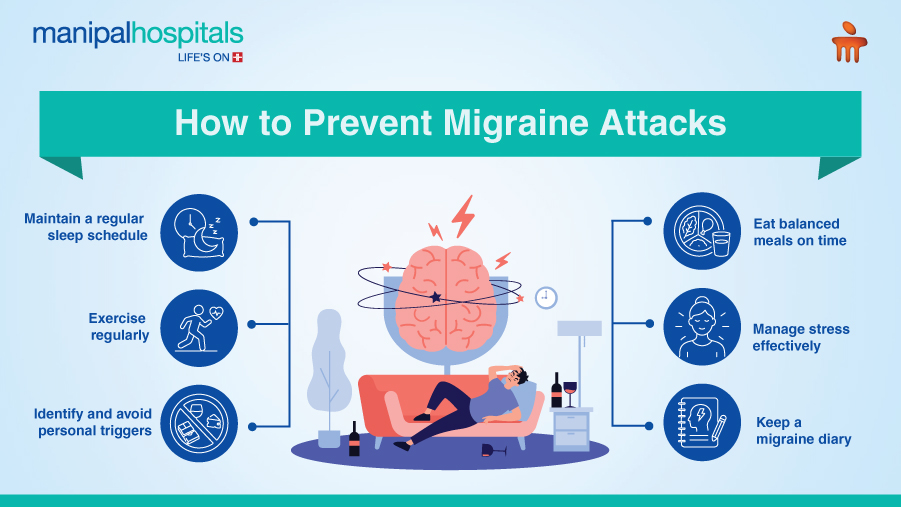
Keeping a migraine diary can help patients identify patterns and avoid specific triggers.
Effective Ways to Manage Migraine Attacks
While there is no permanent cure for migraines, effective management strategies can help reduce the frequency and severity of attacks.
-
Rest in a Quiet Environment - When a migraine begins, moving to a dark, quiet room can reduce sensory stimulation and provide relief.
-
Stay Hydrated - Drinking water regularly throughout the day helps prevent dehydration-related headaches.
-
Apply Cold Therapy - A cold compress placed on the forehead or neck can help reduce migraine pain.
-
Practise Relaxation Techniques - Deep breathing exercises, meditation, mindfulness, and yoga can help lower stress levels and decrease migraine frequency.
-
Follow a Consistent Routine - Maintaining regular sleeping and eating schedules can help prevent attacks.
Medical Treatment for Migraines
If migraines become frequent or severe, professional medical evaluation is essential.
At Manipal Hospital Kharadi, neurologists perform a detailed assessment to identify the underlying cause and develop a customised treatment plan.
Treatment options may include:
Acute Migraine Medications
These medicines are taken at the onset of symptoms to stop a migraine attack or reduce its severity.
Preventive Medications
Patients who experience frequent migraines may benefit from preventive medications that reduce the number of attacks each month.
Lifestyle Modification Programmes
Dietary guidance, sleep management, stress reduction strategies, and exercise recommendations often play a key role in treatment.
Advanced Neurological Care
Modern treatment options, including specialised therapies for chronic migraines, are available for patients who do not respond adequately to conventional treatments.
Seeking early treatment often prevents migraines from becoming chronic and improves long-term outcomes.
Simple Do's and Don'ts for Migraine Prevention
Do's
-
Drink plenty of water throughout the day
-
Get 7–8 hours of quality sleep every night
-
Exercise regularly
-
Maintain a healthy diet
-
Keep track of migraine triggers
-
Take prescribed medications as directed
-
Manage stress effectively
Don'ts
-
Skip meals
-
Stay awake late regularly
-
Overuse of pain medications
-
Ignore persistent headache symptoms
-
Consume trigger foods excessively
-
Self-medicate without medical guidance
When Should You Consult a Neurologist?
While occasional headaches may not require specialist care, certain symptoms should never be ignored.
Seek immediate medical attention if you experience:
-
A sudden, severe headache, unlike any previous headache
-
Headache following a head injury
-
Headache accompanied by weakness or numbness
-
Difficulty speaking
-
Vision changes
-
Confusion or altered consciousness
-
Recurrent headaches affecting daily activities
These symptoms may indicate a serious underlying neurological condition requiring urgent evaluation.
The Importance of Migraine Awareness
Migraine and Headache Awareness Month serves as a reminder that migraines are genuine neurological disorders, not simply "bad headaches." Increased awareness helps reduce stigma, encourages early diagnosis, and promotes access to effective treatment.
With proper medical care, trigger management, and lifestyle adjustments, many people can successfully reduce migraine attacks and improve their quality of life.
At Manipal Hospital, our team of experienced neurologists in kharadi is committed to providing comprehensive diagnosis, advanced treatment, and compassionate care for patients living with migraines and chronic headaches. If frequent headaches are affecting your daily life, seeking timely medical advice can be the first step towards lasting relief.
Take control of your headache health this Migraine and Headache Awareness Month. Consult the neurology experts at Manipal Hospital Kharadi for accurate diagnosis, personalised treatment, and long-term migraine management.
FAQ's
A migraine is a neurological disorder that causes severe headaches along with symptoms such as nausea, light sensitivity, and visual disturbances, whereas a regular headache usually causes pain without these additional symptoms.
Yes. Stress is one of the most common migraine triggers and can significantly increase the frequency and severity of attacks.
Absolutely. Proper sleep, hydration, regular meals, exercise, and stress management can significantly reduce migraine episodes.
Yes. Family history plays an important role, and people with relatives who suffer from migraines have a higher risk of developing the condition.
You should consult a neurologist if migraines are frequent, severe, worsening over time, or affecting your daily activities and quality of life.
Share this article on: