7 Min Read
Knee pain can gradually take over every aspect of life, from climbing stairs and walking comfortably to enjoying daily activities without discomfort. For people suffering from severe arthritis or long-term joint degeneration, robotic knee replacement surgery has emerged as one of the most advanced and precise treatment options available today.
With improved surgical accuracy, personalised treatment planning, and faster rehabilitation outcomes, robotic knee replacement surgery is transforming orthopaedic care across the country. Today, more patients are choosing robotic knee replacement in India because of its ability to deliver better alignment, reduced tissue damage, and enhanced long-term mobility.
If chronic knee pain is limiting your quality of life, understanding how robotic knee surgery works can help you make an informed treatment decision.
Synopsis
- What is Robotic Knee Replacement Surgery?
- Why Robotic Knee Replacement in India is Growing Rapidly
- How Robotic Knee Surgery Works
- Benefits of Robotic Knee Replacement Surgery
- Who May Need Robotic Knee Replacement?
- Advantages and Disadvantages of Robotic Knee Replacement
- Recovery After Robotic Total Knee Replacement
- Why Patients Prefer Knee Replacement in India
- Choosing the Right Hospital for Robotic Knee Surgery
- Conclusion
What is Robotic Knee Replacement Surgery?
Robotic knee replacement surgery is an advanced form of joint replacement procedure that combines robotic technology with the expertise of an orthopaedic surgeon. Contrary to common misconceptions, the robot does not perform the surgery independently. Instead, the robotic system assists the surgeon by providing real-time precision, 3D mapping, and enhanced control during the procedure.
In robotic total knee replacement, damaged cartilage and bone are carefully removed and replaced with artificial implants that restore smooth movement and joint function. The robotic system helps ensure optimal implant positioning and alignment based on the patient’s unique anatomy.
This advanced approach has significantly improved the outcomes of knee replacement in India, particularly for patients seeking long-lasting pain relief and quicker recovery.
Why Robotic Knee Replacement in India is Growing Rapidly
India has become a preferred destination for advanced orthopaedic procedures due to its combination of experienced specialists, modern hospitals, and cost-effective treatment options. The increasing adoption of robotic knee replacement surgery is driven by growing patient awareness and demand for precision-based treatment.
Many leading centres now offer robotic knee replacement using state-of-the-art technology, helping patients benefit from:
-
Better implant positioning
-
Reduced surgical trauma
-
Greater surgical precision
-
Faster rehabilitation
-
Improved long-term joint function
Patients travelling for knee replacement in India also benefit from access to highly trained surgeons, internationally accredited hospitals, and comprehensive rehabilitation support.
How Robotic Knee Surgery Works
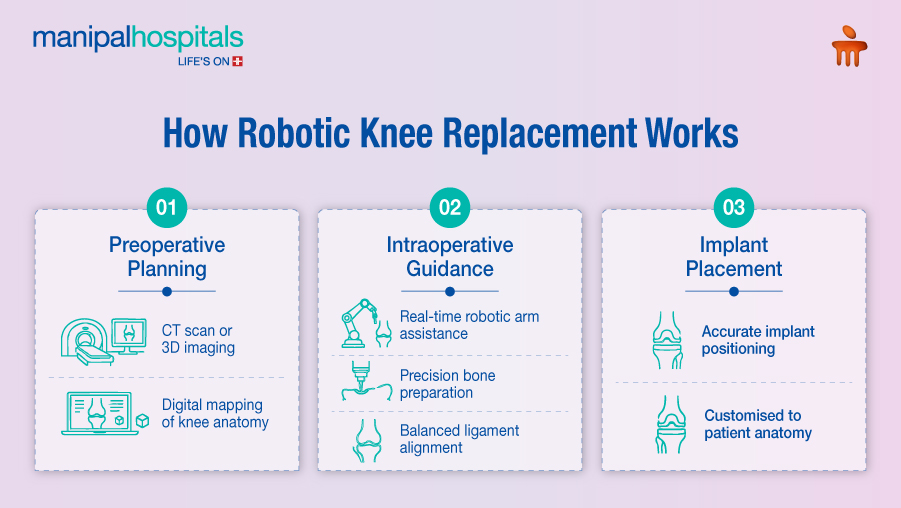
The process of robotic knee surgery typically begins with advanced imaging scans that create a detailed 3D model of the patient’s knee joint. This enables surgeons to plan the surgery with exceptional precision before entering the operating theatre.
During robotic knee replacement surgery, the robotic arm assists the surgeon by guiding bone preparation and implant placement according to the pre-planned surgical map. The technology provides continuous feedback throughout the operation, allowing for highly accurate adjustments.
Because robotic knee replacement focuses on preserving healthy tissues and ensuring optimal alignment, patients often experience less postoperative pain and improved knee function.
Benefits of Robotic Knee Replacement Surgery
Exceptional Surgical Accuracy
One of the biggest advantages of robotic knee replacement is enhanced precision. Proper implant positioning plays a major role in long-term success, stability, and joint movement.
Robotic systems allow surgeons to achieve millimetre-level accuracy during robotic total knee replacement, helping reduce the risk of implant misalignment.
Faster Recovery and Rehabilitation
Patients undergoing robotic knee replacement surgery often recover faster compared to traditional procedures. Since the surgery is highly precise and less invasive to surrounding tissues, postoperative pain and swelling may be reduced.
Many patients regain mobility earlier and begin physiotherapy sooner, supporting a smoother rehabilitation journey.
Our orthopaedics in Gurugram regularly observe improved early mobility outcomes among patients undergoing robotic knee-replacement procedures.
Reduced Damage to Healthy Tissues
Traditional knee surgery may involve greater manipulation of surrounding soft tissues. In robotic knee surgery, advanced planning and precision-guided movements help preserve healthy ligaments and tissues wherever possible.
-
This contributes to:
-
Reduced blood loss
-
Lower postoperative discomfort
-
Improved joint stability
-
Better overall patient satisfaction
Personalised Surgical Planning
-
Every knee joint is different. Robotic knee replacement surgery allows surgeons to customise treatment according to the patient’s anatomy, alignment, and movement patterns.
-
This personalised approach improves implant fit and joint balance, making robotic total knee replacement highly effective for patients with complex knee deformities or advanced arthritis.
Better Long-Term Implant Performance
-
Accurate implant positioning can improve the lifespan and functionality of knee implants. Because robotic knee replacement enables precise alignment, patients may experience improved durability and natural joint movement over time.
-
This has made robotic knee replacement in India increasingly popular among both younger and elderly patients seeking long-term mobility solutions.
Who May Need Robotic Knee Replacement?
You may be a candidate for robotic knee replacement surgery if you experience:
-
Severe knee arthritis
-
Chronic knee pain affects daily activities
-
Difficulty walking or climbing stairs
-
Joint stiffness and swelling
-
Poor response to medications or physiotherapy
-
Reduced quality of life due to knee degeneration
Our bone specialist in Gurugram may recommend robotic knee replacement after a detailed clinical evaluation and imaging assessment.
Advantages and Disadvantages of Robotic Knee Replacement
Understanding the advantages and disadvantages of robotic knee replacement is important before deciding on surgery.
Advantages of Robotic Knee Replacement
-
Higher surgical precision
-
Better implant alignment
-
Reduced soft tissue damage
-
Faster recovery
-
Lower risk of complications
-
Improved joint functionality
-
Enhanced patient satisfaction
Disadvantages of Robotic Knee Replacement
-
Slightly higher surgical cost compared to conventional methods
-
Availability may be limited in smaller healthcare centres
-
Requires specialised surgical expertise and advanced equipment
However, many patients consider the benefits of robotic knee replacement surgery worth the investment due to improved outcomes and recovery experience.
Recovery After Robotic Total Knee Replacement
Recovery after robotic total knee replacement varies depending on age, fitness, and overall health condition. However, many patients experience earlier mobility and shorter hospital stays compared to conventional surgery.
Recovery usually includes:
-
Early mobilisation within 24 hours
-
Strength and flexibility exercises
-
Gradual return to daily activities
Following medical advice and rehabilitation protocols is essential for optimal results after robotic knee replacement surgery.
Our orthopaedics in Gurugram emphasise personalised rehabilitation plans to support quicker recovery and long-term mobility improvements.
Why Patients Prefer Knee Replacement in India
The demand for knee replacement in India continues to rise because patients can access world-class treatment at comparatively affordable costs. Advanced hospitals offering robotic knee replacement surgery combine cutting-edge technology with highly experienced orthopaedic teams.
Patients choosing robotic knee replacement in India often benefit from:
-
International-standard infrastructure
-
Experienced orthopaedic surgeons
-
Advanced robotic systems
-
Comprehensive rehabilitation care
-
Cost-effective treatment options
Our orthopaedics in Gurugram focuses on precision-driven treatment pathways designed to improve patient comfort, safety, and functional outcomes.
Choosing the Right Hospital for Robotic Knee Surgery
Selecting the right healthcare centre is crucial for successful robotic knee replacement surgery. Patients should look for:
-
Experienced orthopaedic surgeons
-
Availability of advanced robotic technology
-
Strong rehabilitation support
-
Comprehensive preoperative evaluation
-
High patient satisfaction rates
A multidisciplinary approach significantly improves surgical outcomes and recovery experience after robotic knee replacement.
Our orthopaedics in Gurugram combines advanced robotic systems with evidence-based orthopaedic care to deliver personalised joint replacement solutions.
Conclusion
Robotic knee replacement surgery has revolutionised modern orthopaedic treatment by offering enhanced precision, personalised planning, and faster recovery. As technology continues to advance, more patients are choosing robotic knee replacement in India for its accuracy, improved implant positioning, and long-term functional benefits.
Whether you are struggling with severe arthritis, chronic knee pain, or reduced mobility, robotic knee surgery may help restore movement and improve your quality of life. Consulting an experienced orthopaedic specialist can help determine whether robotic total knee replacement is the right treatment option for you.
FAQ's
Yes, robotic knee replacement surgery is considered highly safe when performed by experienced orthopaedic surgeons. The robotic system enhances precision and supports accurate implant placement during surgery.
Most patients begin walking within a day after robotic knee replacement surgery. Full recovery and rehabilitation may take several weeks to a few months, depending on overall health and physiotherapy progress.
Robotic knee replacement offers greater surgical accuracy, personalised planning, and potentially faster recovery compared to traditional methods. However, suitability depends on individual patient conditions.
The cost of robotic knee replacement in India varies depending on the hospital, surgeon's expertise, implant type, and overall treatment plan.
Patients with severe arthritis, chronic knee pain, stiffness, and reduced mobility who do not respond to conservative treatments may be suitable candidates for robotic total knee replacement.
Share this article on:


.webp "Liver Cancer Treatment")


--What-Every-Prostate-Cancer-Patient-Should-Know.webp "Prostate Cancer Surgery: LRP Procedure & Recovery Guide")