6 Min Read
As people grow older, joint discomfort becomes increasingly common, with knee pain being one of the most frequent complaints. Understanding the right knee pain treatment options is essential to maintaining mobility and independence. Many individuals experiencing knee pain in old age delay seeking medical advice, assuming it is simply a normal part of ageing. However, early evaluation by specialists such as our orthopaedics in Gurugram can help identify underlying knee pain causes and prevent further deterioration.
Age-related joint degeneration, lifestyle habits, and chronic medical conditions contribute significantly to persistent discomfort. This guide explains why knee pain increases with age, highlights common osteoporosis knee symptoms—contrasting to osteoarthritis knee symptoms—and outlines effective knee pain treatment strategies for long-term relief.
Synopsis
- Understanding Knee Pain Causes in Ageing Adults
- Osteoarthritis Knee Symptoms: Why Age Matters
- Why Knee Pain Increases With Age
- Knee Pain Treatment: Conservative Management Options
- Knee Pain Treatment: Advanced Medical Interventions
- Preventing Knee Pain in Old Age
- When to Seek Medical Advice
- Long-Term Outlook With Proper Knee Pain Treatment
Understanding Knee Pain Causes in Ageing Adults
Identifying the underlying knee pain causes is the first step in planning effective knee pain treatment. The knee joint bears substantial body weight and is subject to wear and tear over time.
Common knee pain causes include:
-
Degenerative joint disease
-
Cartilage thinning
-
Ligament weakening
-
Muscle imbalance
-
Previous injury
Among these, osteoarthritis remains the most frequent cause of knee pain in old age. The gradual breakdown of cartilage leads to inflammation and stiffness, making movement increasingly difficult.
Recognising specific knee pain causes helps doctors recommend targeted knee pain treatment plans tailored to each patient’s needs.
Osteoarthritis Knee Symptoms: Why Age Matters
One of the leading reasons for increasing knee discomfort is osteoarthritis. Understanding osteoarthritis knee symptoms allows early intervention and better outcomes.
Common osteoarthritis knee symptoms include:
-
Persistent aching
-
Joint stiffness, especially in the morning
-
Swelling around the knee
-
Reduced range of motion
-
Grinding sensation during movement
These osteoarthritis knee symptoms tend to worsen gradually, particularly during weight-bearing activities. In many cases, untreated symptoms contribute significantly to chronic knee pain in old age.
Early recognition of osteoarthritis knee symptoms allows prompt knee pain treatment, potentially delaying progression.
Why Knee Pain Increases With Age
Ageing naturally affects joint health. Cartilage loses elasticity and regenerative capacity over time. As cartilage thins, bones rub against each other, intensifying discomfort and inflammation.
Several factors contribute to worsening knee pain in old age:
-
Decreased joint lubrication
-
Slower tissue repair
-
Accumulated minor injuries
These age-related changes amplify existing knee pain causes, making structured knee pain treatment even more important.
Additionally, metabolic conditions such as diabetes and obesity increase pressure on knee joints, accelerating degeneration.
Knee Pain Treatment: Conservative Management Options
The majority of age-related knee issues can initially be managed through conservative knee pain treatment strategies.
Physiotherapy
Strengthening surrounding muscles improves joint stability. A structured physiotherapy programme remains a cornerstone of knee pain treatment, particularly for managing osteoarthritis knee symptoms.
Medication
Pain relievers and anti-inflammatory drugs may be prescribed as part of short-term knee pain treatment to reduce swelling and discomfort.
Weight Management
Reducing body weight significantly lowers stress on the knees, addressing the underlying knee pain causes effectively.
Assistive Devices
Knee braces or walking aids may support mobility in individuals experiencing moderate knee pain in old age.
Early consultation with specialists, including our orthopaedics in Gurugram, ensures that conservative knee pain treatment is appropriately monitored.
Knee Pain Treatment: Advanced Medical Interventions
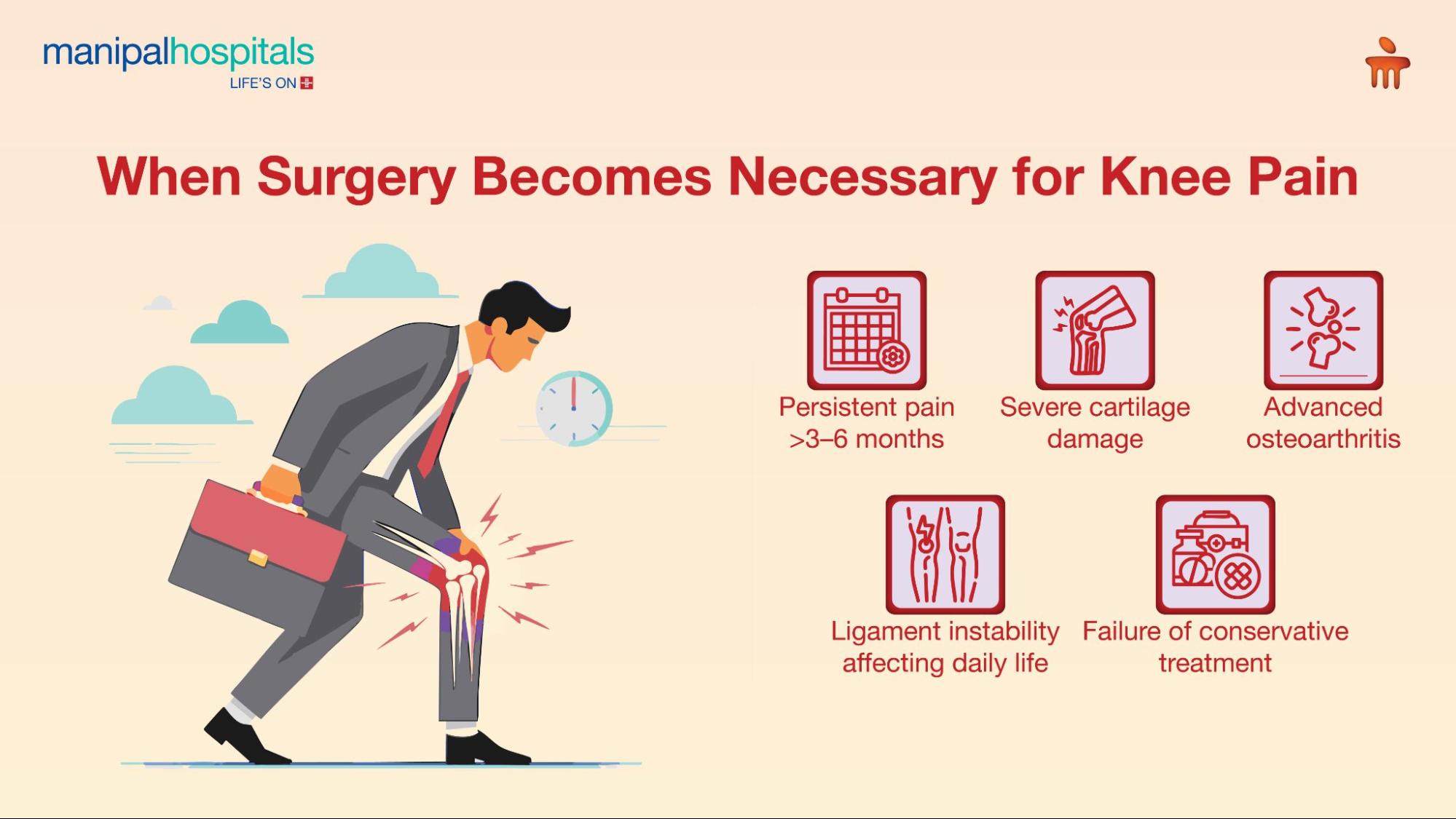
When conservative methods fail, advanced knee pain treatment may be required.
Injections
Corticosteroid or hyaluronic acid injections can temporarily relieve severe osteoarthritis knee symptoms.
Regenerative Therapies
Platelet-rich plasma (PRP) therapy is sometimes considered for selected patients with persistent knee pain causes linked to soft-tissue damage.
Surgical Options
In advanced cases, knee replacement surgery may be recommended. Surgical knee pain treatment aims to restore joint function and significantly reduce discomfort.
Individuals experiencing severe knee pain in old age may benefit from evaluation by experienced specialists such as our orthopaedics in Gurugram, who assess suitability for surgical intervention.
Preventing Knee Pain in Old Age
Preventive measures play a vital role in reducing long-term joint deterioration.
Regular Exercise
Low-impact activities such as swimming and cycling strengthen muscles and support effective knee pain treatment outcomes.
Balanced Diet
Adequate calcium and vitamin D intake support bone health and reduce the worsening of osteoarthritis knee symptoms.
Posture and Ergonomics
Correct posture minimises strain and addresses avoidable causes of knee pain.
Early Screening
Regular orthopaedic assessments help detect knee pain in old age at an early stage, enabling timely knee pain treatment.
When to Seek Medical Advice
While occasional discomfort may not require urgent care, persistent or worsening symptoms should not be ignored.
Seek evaluation if you experience:
-
Severe swelling
-
Sudden instability
-
Persistent stiffness
-
Limited mobility
-
Increasing osteoarthritis knee symptoms
Prompt diagnosis helps determine accurate knee pain causes and prevents complications associated with delayed knee pain treatment.
Long-Term Outlook With Proper Knee Pain Treatment
With timely and appropriate knee pain treatment, many individuals maintain active and independent lifestyles well into later years. Managing underlying knee pain causes and monitoring osteoarthritis knee symptoms helps slow disease progression.
Even in cases of significant knee pain in old age, structured medical care can dramatically improve quality of life. Rehabilitation, lifestyle adjustments, and, when necessary, surgical solutions provide lasting relief.
By addressing both mechanical and inflammatory components, comprehensive knee pain treatment ensures sustainable joint health.
FAQ's
The most frequent causes of knee pain include osteoarthritis, ligament weakening, cartilage wear, obesity, and previous injuries.
Common osteoarthritis knee symptoms include stiffness, swelling, reduced movement, and persistent aching that worsens with activity.
While arthritis is a major factor in knee pain in old age, other causes, such as tendonitis or ligament strain, may also contribute.
Effective knee pain treatment depends on severity and cause, ranging from physiotherapy and medication to injections or surgery.
Although ageing cannot be reversed, maintaining a healthy weight, exercising regularly, and early management of knee pain causes can reduce its severity.
Share this article on:


.webp "Liver Cancer Treatment")


--What-Every-Prostate-Cancer-Patient-Should-Know.webp "Prostate Cancer Surgery: LRP Procedure & Recovery Guide")