7 Min Read
A brain aneurysm is a bulge or ballooning in a blood vessel in the brain. It often goes unnoticed until it ruptures, leading to a life-threatening event. Understanding the subtle brain aneurysm symptoms and knowing when to seek immediate medical attention is crucial. At Manipal Hospitals, our neurologists in Gurugram are equipped with advanced diagnostic tools and expertise to provide timely and effective care for complex neurological conditions, including brain aneurysms. Early recognition can significantly improve outcomes, making awareness a powerful tool in protecting your brain health. In fact, studies show that timely intervention can reduce mortality rates by as much as 30%.
Synopsis
Understanding Brain Aneurysms: A Silent Threat
A brain aneurysm is essentially a weak spot in a blood vessel wall that balloons outward. While some aneurysms remain small and never cause problems, others can grow larger, press on nearby brain structures, or, most dangerously, rupture.
What is a Brain Aneurysm?
Imagine a tiny, weak spot on a garden hose that swells up when the water pressure is high. A brain aneurysm is similar, but instead of water, it’s blood flowing through delicate vessels in your brain. These bulges can form anywhere in the brain but are most common at the base, particularly in the network of blood vessels called the Circle of Willis. The average size of a ruptured aneurysm is about 7-10 mm, but even smaller ones can be deadly.
Why are Aneurysms Dangerous?
The primary danger of a brain aneurysm lies in its potential to rupture. When an aneurysm ruptures, it spills blood into the space surrounding the brain, a condition known as a subarachnoid hemorrhage. This type of bleeding is a severe form of hemorrhagic stroke symptoms, causing immense pressure on the brain, damaging brain cells, and potentially leading to permanent neurological damage, coma, or even death. Approximately 30,000 Americans experience a ruptured brain aneurysm each year, with about 40% proving fatal.
Recognizing the Warning Signs: When Every Second Counts
While many aneurysms are silent until they rupture, some can present with subtle aneurysm warning signs. Knowing what to look for can be life-saving.
Unruptured Aneurysm Symptoms
An unruptured aneurysm may cause symptoms if it grows large enough to press on nerves or brain tissue. These are often subtle and can be mistaken for other conditions.
-
Headaches: While not the severe "worst headache of life," some individuals might experience localized pain above or behind one eye. This could be a persistent, throbbing, or aching pain that doesn't go away.
-
Vision Changes: Pressure on the optic nerves can lead to blurred or double vision, or even a loss of vision in one eye.
-
Facial Pain/Numbness: An aneurysm pressing on facial nerves can cause pain, numbness, or weakness on one side of the face.
-
Pupil Dilation: One pupil may appear larger than the other due to nerve compression.
-
Drooping Eyelid: Similar to pupil dilation, nerve compression can lead to a drooping eyelid (ptosis).
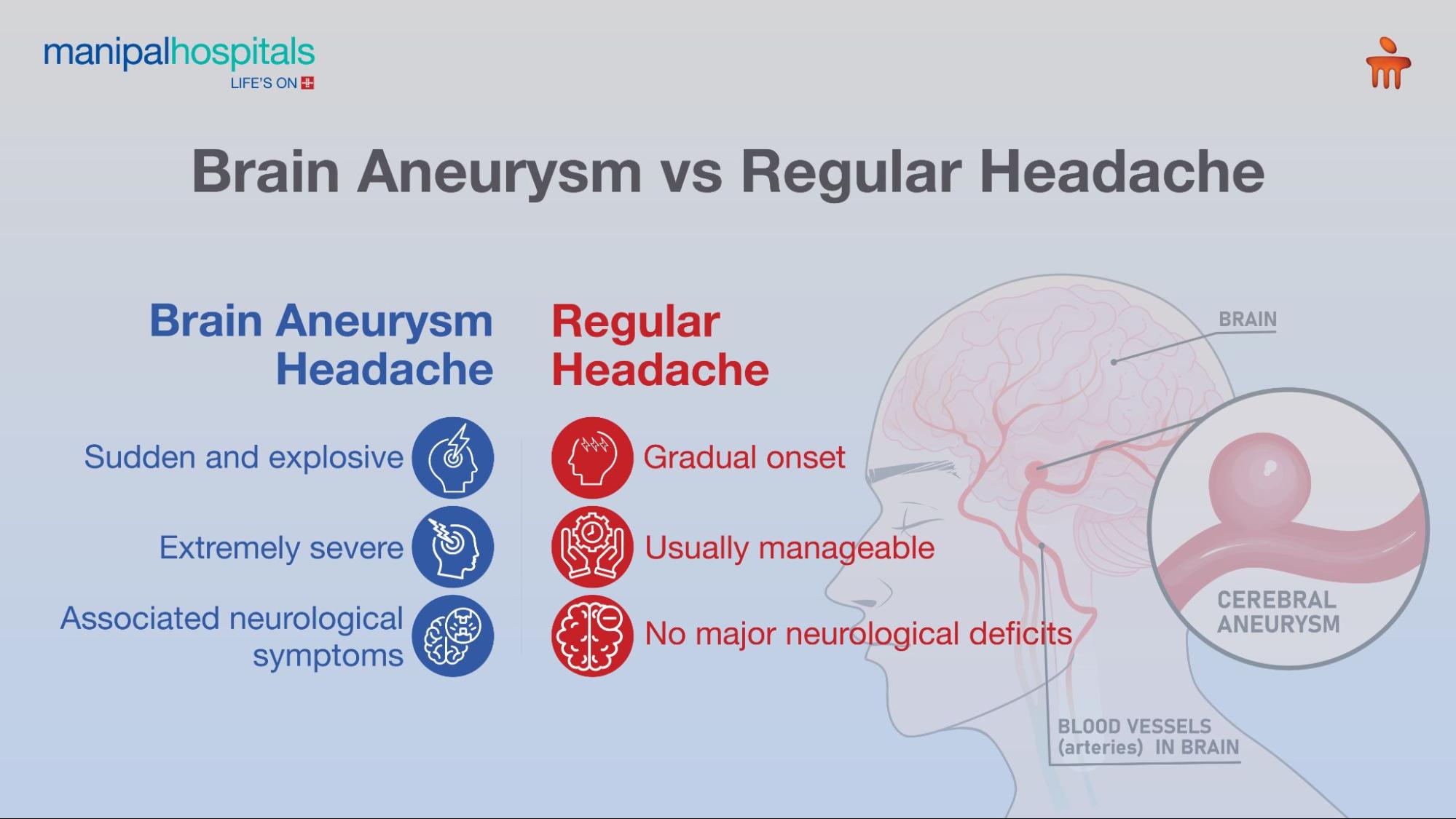
Ruptured Aneurysm Symptoms: The "Worst Headache of Life"
A ruptured aneurysm is a medical emergency requiring immediate attention. The symptoms are sudden and dramatic, often described as the worst headache of life.
-
Sudden, Severe Headache: This is the hallmark symptom. It's often described as an explosive headache, unlike anything you've ever experienced, reaching maximum intensity within seconds to minutes.
-
Nausea and Vomiting: The sudden increase in intracranial pressure often leads to severe nausea and projectile vomiting.
-
Stiff Neck: Blood irritating the meninges (the membranes surrounding the brain and spinal cord) can cause neck stiffness, making it difficult or painful to move your head.
-
Loss of Consciousness/Seizures: A significant hemorrhage can cause rapid loss of consciousness, confusion, or seizures.
-
Weakness or Numbness: Similar to hemorrhagic stroke symptoms, individuals may experience sudden weakness, numbness, or paralysis on one side of the body.
-
Dilated Pupils: One or both pupils may become fixed and dilated.
-
Sensitivity to Light (Photophobia): Increased sensitivity to light is common due to meningeal irritation.
If you or someone you know experiences any of these severe brain aneurysm symptoms, particularly the sudden, excruciating headache, call for emergency medical help immediately. Every minute counts in preventing permanent damage.
Risk Factors for Brain Aneurysms
While aneurysms can affect anyone, certain factors can increase your risk.
Modifiable Risk Factors
-
High Blood Pressure (Hypertension): Uncontrolled high blood pressure is a significant risk factor, contributing to about 70% of ruptured aneurysms. Regular monitoring and management are vital.
-
Smoking: Nicotine weakens blood vessel walls and increases blood pressure, making smokers significantly more prone to aneurysms. Quitting smoking can reduce your risk by up to 50% over time.
-
Drug Abuse: Especially cocaine and amphetamines, which can severely elevate blood pressure.
-
Excessive Alcohol Consumption: Heavy drinking can also increase blood pressure.
Non-Modifiable Risk Factors
-
Family History: Having a close relative (parent, sibling) with a history of brain aneurysms increases your risk.
-
Age: Aneurysms are more common in people over 40, with the risk increasing with age.
-
Gender: Women are slightly more likely to develop aneurysms than men, particularly after menopause.
-
Pre-existing Conditions: Certain genetic disorders like polycystic kidney disease, Ehlers-Danlos syndrome, and Marfan syndrome are associated with a higher risk of aneurysm formation.
The Importance of Emergency Neurosurgical Care
When a brain aneurysm ruptures, time is of the essence. Rapid diagnosis and treatment are critical for survival and to minimize neurological damage.
Why Rapid Response is Critical
A prompt response can prevent further bleeding, reduce intracranial pressure, and improve patient outcomes. Studies show that patients who receive treatment within 24 hours of rupture have a significantly higher chance of survival and better recovery compared to those with delayed intervention. Our neurologists in Gurugram are part of a multidisciplinary team ready to provide urgent care.
Diagnostic Procedures
If a ruptured aneurysm is suspected, immediate diagnostic tests are performed:
-
CT Scan: Often the first test, it quickly detects bleeding in the brain.
-
CT Angiography (CTA): Provides detailed images of blood vessels, helping to locate the aneurysm.
-
Lumbar Puncture: If a CT scan is normal but symptoms strongly suggest a subarachnoid hemorrhage, a lumbar puncture can detect blood in the cerebrospinal fluid.
-
Cerebral Angiogram: A more invasive but highly detailed imaging test that can pinpoint the exact location, size, and shape of the aneurysm.
Treatment Options
Treatment for a ruptured aneurysm aims to stop the bleeding and prevent re-bleeding. For unruptured aneurysms, treatment might be considered if the risk of rupture outweighs the risk of the procedure.
-
Surgical Clipping: A neurosurgeon opens the skull to locate the aneurysm and places a tiny metal clip at its base to stop blood flow into it.
-
Endovascular Coiling: A less invasive procedure where a catheter is inserted into an artery (usually in the groin) and guided to the aneurysm. Tiny platinum coils are then deployed into the aneurysm to fill it, blocking blood flow. This procedure has a success rate exceeding 90% in preventing re-bleeding.
If you are experiencing any symptoms, it's crucial to seek timely medical advice. Book an appointment with our expert neurologists in Gurugram today.
FAQ's
Treatment options like surgical clipping or endovascular coiling effectively seal off the aneurysm, preventing it from bleeding again. While the aneurysm itself is treated, regular follow-ups are often recommended to ensure long-term stability and monitor for new aneurysms.
Brain aneurysms are more common than many realize, affecting about 1 in 50 people. However, only a small percentage of these ever rupture. Approximately 6 million people in the United States have an unruptured brain aneurysm.
Recovery varies widely depending on the severity of the hemorrhage, the promptness of treatment, and individual factors. It can involve physical therapy, occupational therapy, and speech therapy, and may take several months to years. Many patients experience significant recovery, with 70-80% regaining functional independence.
Headaches from unruptured aneurysms are often localized, persistent, and may be accompanied by other neurological symptoms like vision changes or facial pain. They typically do not have the pulsating quality of a migraine or the widespread tension of a stress headache. Any new, unusual, or persistent headache warrants medical evaluation.
Routine screening for brain aneurysms is not generally recommended for the general population. However, screening may be considered for individuals with a strong family history (two or more first-degree relatives with aneurysms) or certain genetic conditions, after discussion with a neurologist.
Share this article on:


.webp "Liver Cancer Treatment")


--What-Every-Prostate-Cancer-Patient-Should-Know.webp "Prostate Cancer Surgery: LRP Procedure & Recovery Guide")