7 Min Read
Weak bones can significantly impact quality of life, particularly as we age. Recognising weak bone symptoms early is crucial to prevent fractures, mobility issues, and long-term complications. At specialised centres, our orthopaedics in Delhi-NCR provides expert care for diagnosis, personalised management, and preventive strategies for patients with weakened skeletal health. This blog explores the common weak bones symptoms, underlying weak bones causes, effective weak bones treatment options, nutritional considerations, and lifestyle measures to maintain strong bones.
Synopsis
Understanding Weak Bones
The term “weak bones” typically refers to reduced bone density and structural integrity, often associated with conditions like osteoporosis. While mild bone thinning may go unnoticed, progressive weakness can lead to fractures even with minor trauma. Early detection of weak bone symptoms is critical for initiating timely interventions.
Weak bone disease encompasses conditions characterised by low bone mass, reduced bone strength, and increased susceptibility to fractures. Ageing, hormonal changes, nutritional deficiencies, and certain medical conditions are common causes of weak bones that increase the risk of developing this disease.
Common Weak Bones Symptoms
Identifying weak bone symptoms early can prevent serious complications. Some of the most commonly observed signs include:
-
Frequent fractures, especially in the wrist, hip, or spine, even after minor falls
-
Back pain, often due to vertebral compression fractures
-
Loss of height over time
-
Stooped posture or curvature of the spine
-
Weak grip strength or difficulty lifting objects
-
Generalised bone or joint discomfort
Individuals experiencing these weak bone symptoms should seek prompt evaluation from specialists such as our orthopaedics in Delhi-NCR to assess bone health and discuss appropriate management strategies.
Weak Bones Causes
Understanding the underlying weak bone causes is essential for prevention and treatment. Key factors include:
-
Age-Related Bone Loss: Bone density naturally declines with age, particularly in postmenopausal women.
-
Hormonal Changes: Reduced oestrogen in women and testosterone in men can accelerate bone weakening.
-
Nutritional Deficiencies: Lack of calcium, vitamin D, and protein contributes significantly to bone fragility.
-
Sedentary Lifestyle: Insufficient physical activity reduces bone strength and increases fracture risk.
-
Medical Conditions: Chronic illnesses such as hyperthyroidism, kidney disease, or rheumatoid arthritis can exacerbate bone loss.
-
Medications: Long-term use of corticosteroids or certain anti-seizure drugs may increase susceptibility to weak-bone disease.
Identifying and addressing these causes of weak bones is critical in developing an effective care plan, including lifestyle modifications and medical interventions.
Diagnosis and Assessment
Early identification of weak bone symptoms often involves a combination of clinical evaluation and diagnostic tests. Common diagnostic tools include:
-
Bone Mineral Density (BMD) Test: Also known as a DEXA scan, this measures bone strength and identifies osteoporosis risk.
-
X-rays: Used to detect fractures or structural abnormalities in bones.
-
Blood Tests: Assess levels of calcium, vitamin D, alkaline phosphatase, parathyroid levels, and markers of bone turnover.
-
Medical History Review: Helps identify potential weak bone causes, including medications, lifestyle factors, and family history.
Timely diagnosis allows for early implementation of weak bone treatment strategies, reducing the risk of fractures and improving quality of life.
Effective Weak Bones Treatment Options
Managing weak bone disease involves a multifaceted approach, including medications, nutrition, and lifestyle changes. Common weak bone treatment methods include the following:
Medications
-
Bisphosphonates: Reduce bone loss and lower fracture risk
-
Selective Oestrogen Receptor Modulators (SERMs): Useful for postmenopausal women
-
Calcitonin: Helps regulate calcium levels in the body
-
Parathyroid Hormone Analogues: Stimulate bone formation in severe cases
Nutrition
A bone-healthy diet is crucial for managing weak-bone symptoms. Essential nutritional considerations include:
-
Calcium: Dairy products, fortified plant-based milks, and leafy greens
-
Vitamin D, D: Sun exposure and supplements to aid calcium absorption
-
Protein: Supports bone structure and repair
-
Magnesium and Zinc: Important for bone metabolism
Nutrition is an integral part of weak bone treatment, ensuring that bones have the necessary building blocks for strength and resilience.
Physical Activity
Weight-bearing and resistance exercises are highly recommended to improve bone density. Activities such as walking, resistance band exercises, and lightweight lifting enhance skeletal strength and reduce the risk of falls.
Lifestyle Adjustments
-
Avoid smoking and excessive alcohol consumption, which can weaken bones
-
Maintain a healthy body weight to reduce stress on bones and joints
-
Fall prevention strategies, such as using handrails and non-slip mats, are vital for patients with advanced weak-bone disease
Our orthopaedics in Delhi-NCR provides comprehensive guidance on integrating exercise, nutrition, and medical therapy for optimal outcomes.
Risks of Untreated Weak Bone Disease
Ignoring symptoms of weak bones can lead to significant health complications:
-
Fractures: Especially hip and vertebral fractures, which may result in permanent disability
-
Chronic Pain: Persistent discomfort in the back and joints
-
Reduced Mobility: Limited independence and higher risk of falls
-
Spinal Deformities: Kyphosis or stooped posture from vertebral collapse
-
Secondary Health Issues: Increased susceptibility to complications from immobility
Early intervention is crucial to prevent these risks and improve quality of life.
Health Benefits of Early Detection and Management
Identifying weak bone symptoms early and initiating weak bone treatment provides multiple benefits:
-
Reduced Fracture Risk: Strengthens bones to withstand daily activities
-
Improved Mobility: Maintains independence and functional ability
-
Pain Reduction: Helps manage discomfort associated with weak-bone disease
-
Enhanced Quality of Life: Promotes confidence and active living
-
Preventive Care: Early monitoring allows timely adjustments to therapy and nutrition
Proactive management ensures long-term skeletal health and minimises the risks associated with bone fragility.
Expert Advice
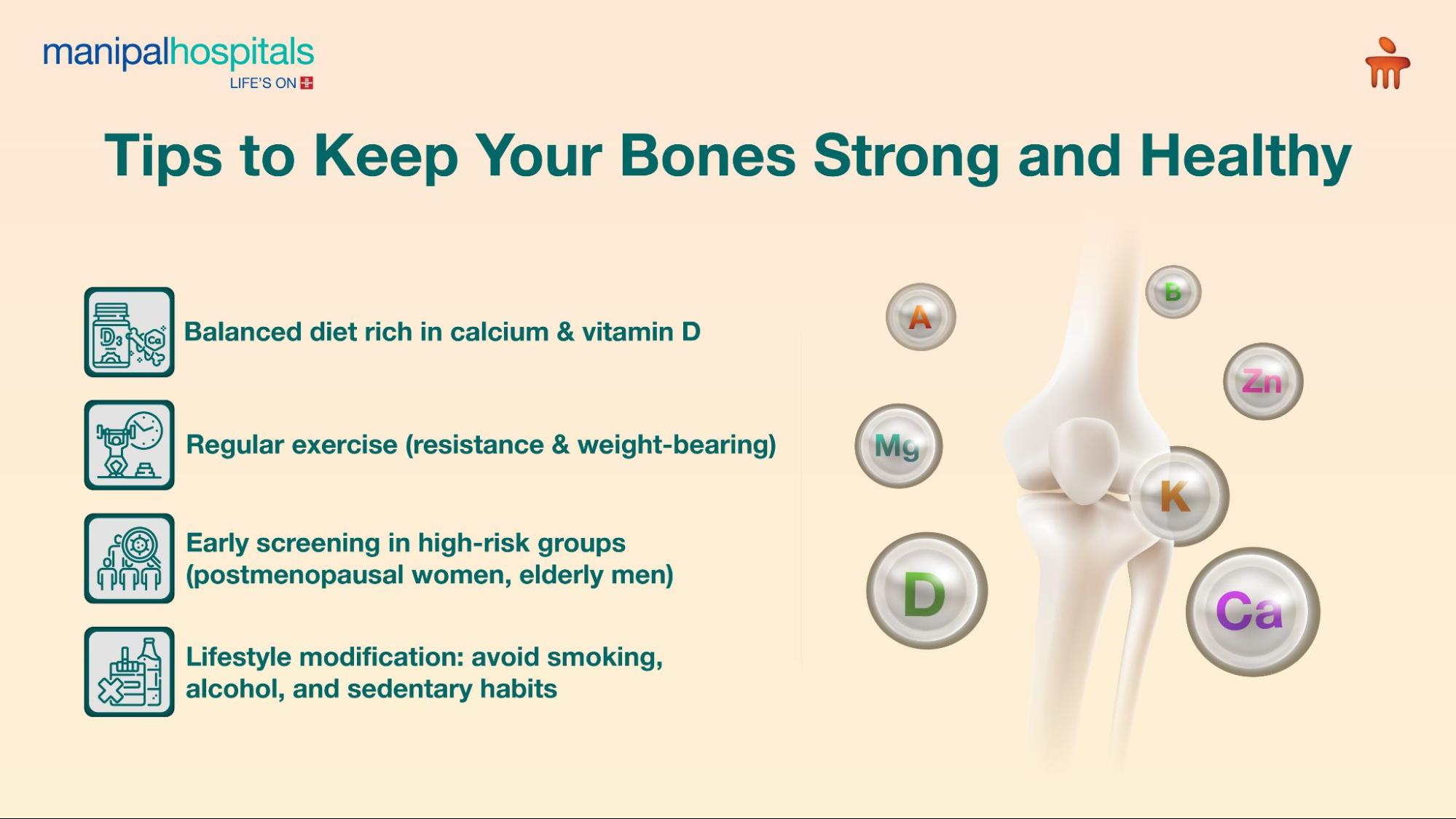
Specialist care is vital for individuals with weak bone disease. Our orthopaedics in Delhi-NCR recommend the following:
-
Bone density assessments yearly or as advised by the orthopaedic expert, particularly for women over 50 and men over 60
-
A balanced diet rich in calcium, vitamin D, and protein
-
Consistent, safe exercise routines tailored to bone strength
-
Timely intervention with medications when necessary
-
Monitoring and addressing underlying weak-bone causes, such as hormonal imbalances or chronic illnesses
Consulting a specialist helps ensure that weak bone treatment is tailored to individual needs, improving outcomes and reducing the risk of fractures.
Conclusion
Understanding and recognising weak bone symptoms is essential for maintaining skeletal health. Identifying the underlying causes of weak bones, adopting a nutrient-rich diet, engaging in regular exercise, and following appropriate weak-bone treatment plans significantly reduce the risk of fractures and improve overall well-being. Regular monitoring and preventive measures, along with expert guidance from our orthopaedics in Delhi-NCR, ensure effective management of weak bone disease, allowing patients to maintain mobility, independence, and quality of life.
Early recognition of weak bone symptoms combined with proactive care can make a profound difference, highlighting the importance of education, lifestyle, and specialist intervention.
FAQ's
Early weak bones symptoms include frequent fractures, back pain, loss of height, stooped posture, and generalised bone discomfort.
Common weak bone causes include ageing, hormonal changes, nutritional deficiencies, sedentary lifestyle, chronic illnesses, and long-term medication use.
Diagnosis involves bone mineral density (DEXA) scans, X-rays, blood tests for calcium and vitamin D, and medical history evaluation to identify potential causes of weak bones.
Weak bone treatment includes medications like bisphosphonates, a calcium- and vitamin D-rich diet, weight-bearing exercise, and lifestyle adjustments to prevent fractures.
Yes, maintaining a healthy diet, exercising regularly, avoiding smoking and excessive alcohol, and implementing fall prevention strategies significantly aid in managing weak bone symptoms.
Share this article on:


.webp "Liver Cancer Treatment")


--What-Every-Prostate-Cancer-Patient-Should-Know.webp "Prostate Cancer Surgery: LRP Procedure & Recovery Guide")