
 5 Min Read
Many people go about their daily lives feeling perfectly healthy, unaware that fat may slowly be building up in their liver. Fatty liver disease is often called a “silent” condition because, in its early stages, it rarely causes pain or obvious warning signs. Because of this, most people only discover it during routine health checks.
Nonalcoholic fatty liver disease (NAFLD) is one of the leading causes of chronic liver disease worldwide, affecting over 30% of the global population. The liver supports digestion, energy balance, and detoxification, and excess fat can gradually interfere with these functions. Recognising fatty liver disease symptoms early is important because lifestyle changes can prevent progression and reverse early liver damage. This blog explains fatty liver disease and the symptoms everyone should know.
Synopsis
What Is Fatty Liver Disease?
Fatty liver disease develops when excess triglycerides accumulate inside liver cells and exceed 5% of the liver’s total weight. This occurs when fat delivery or production exceeds the liver’s ability to process or export fat safely.
The condition is commonly classified into:
-
Metabolic-associated steatotic liver disease (MASLD) (previously called non-alcoholic fatty liver disease (NAFLD) or metabolic-associated fatty liver disease (MAFLD)). This is linked to metabolic factors such as obesity, diabetes, and cholesterol imbalance.
-
Alcohol-related fatty liver disease is caused by excessive alcohol intake.
Most people with fatty liver disease do not develop complications, but untreated disease can progress slowly in some individuals.
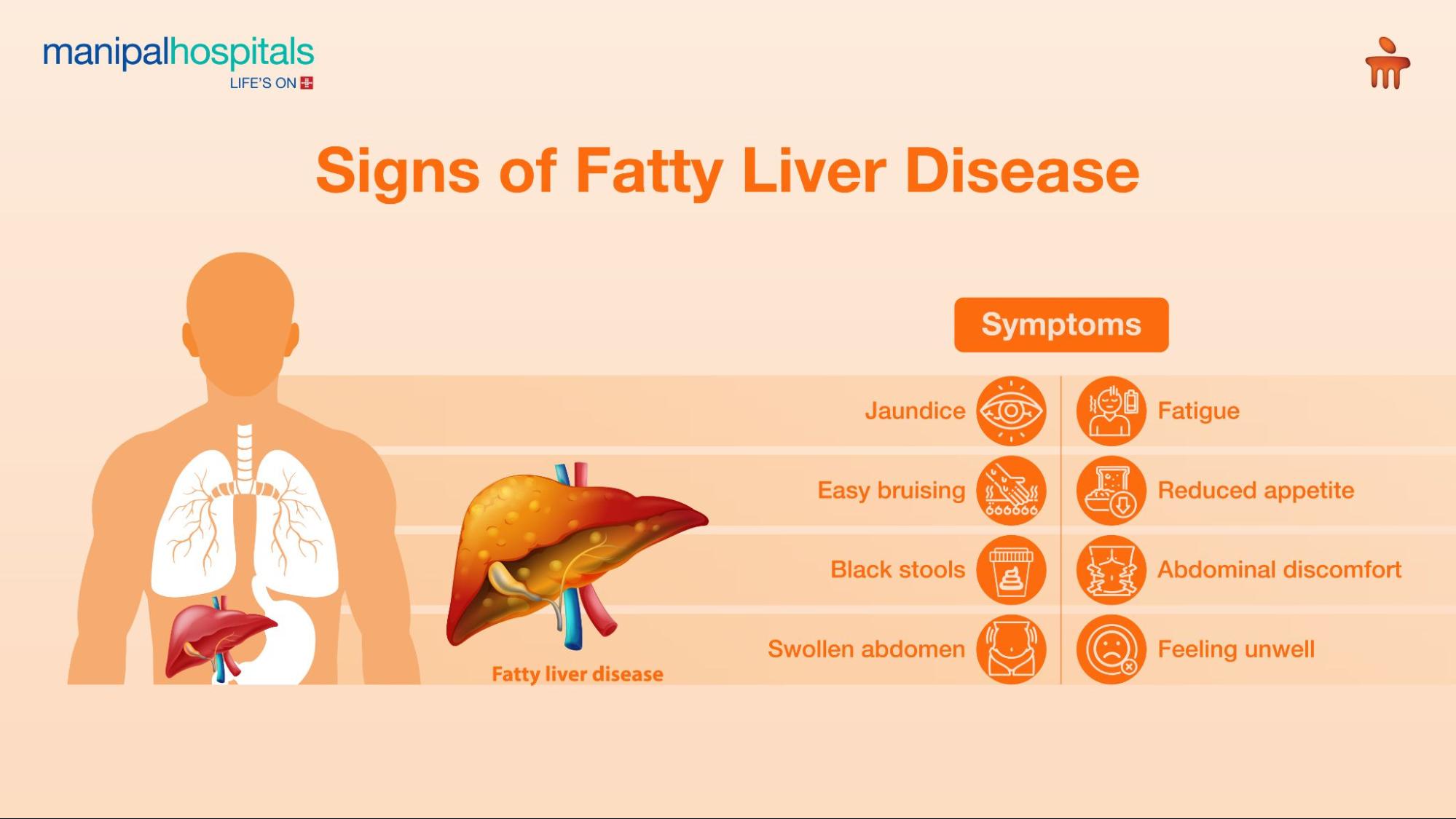
Fatty Liver Disease Symptoms
Fatty liver disease often develops quietly, especially in the early fatty liver stages, and many people remain unaware because noticeable symptoms are usually absent.
Early or Mild Symptoms
When symptoms do appear, they are usually vague and nonspecific:
-
Persistent tiredness or low energy: Feeling constantly exhausted, even after adequate rest.
-
Feeling generally unwell: A vague sense of poor health without a clear or specific cause.
-
Mild pain or discomfort in the upper right abdomen: A dull or aching sensation where the liver is located.
-
Reduced appetite: Feeling full quickly or having little interest in eating.
These symptoms can be easily missed or mistaken for everyday fatigue.
Warning Signs of Advanced Liver Damage
In a small number of people, fatty liver disease may progress to serious liver injury. These signs require urgent medical attention:
-
Yellowing of the skin and eyes (jaundice): Caused by a build-up of bilirubin in the bloodstream.
-
Easy bruising: Results from reduced production of proteins needed for blood clotting.
-
Dark coloured urine: Occurs when excess waste products are passed through the urine.
-
Swollen abdomen: Develops due to fluid build-up linked to advanced liver damage.
-
Vomiting blood: A warning sign of digestive tract bleeding caused by complications such as portal hypertension.
-
Black stools: Suggest internal bleeding in the stomach or intestines.
-
Persistent itchy skin: Happens when bile salts accumulate under the skin as liver function declines.
These symptoms do not represent early fatty liver; they indicate advanced liver disease.
What Leads to Fatty Liver Disease?
Fatty liver disease is commonly linked to everyday habits and metabolic changes that affect how the liver handles fat. These include:
-
Excess calorie intake, meaning consistently eating more calories than the body requires
-
Alcohol consumption, which interferes with fat processing in the liver
-
Metabolic imbalance, including obesity, diabetes, and cholesterol disorders
-
Sedentary lifestyle
-
Insulin resistance
How Is Fatty Liver Disease Diagnosed?
Fatty liver disease is often found during routine blood tests, as many people have no symptoms. Doctors may suspect it if liver test results are abnormal.
Diagnosis may include:
-
Medical history review
-
Physical examination
-
Blood tests
-
Imaging scans (ultrasound, CT, or MRI)
-
Liver biopsy in selected cases to assess damage
How Is Fatty Liver Disease Managed?
Fatty liver treatment focuses on long-term lifestyle changes that reduce fat build-up and support liver health.
-
Healthy diet to reduce liver fat
-
Gradual, steady weight loss
-
Regular physical activity
-
Blood sugar control
-
Cholesterol management
-
Discussing medication safety with a doctor before starting new drugs
-
Limiting or stopping alcohol intake
-
Quitting smoking or vaping to support overall metabolic and liver health
There is currently no single medication that cures fatty liver disease, but lifestyle changes are highly effective.
Conclusion
Fatty liver disease may not seem urgent at first, but ignoring early changes can lead to serious damage over time. Because fatty liver disease symptoms are often subtle or absent, awareness and regular health checks are essential. Recognising symptoms early allows timely lifestyle changes that can prevent progression and even reverse liver damage. If you notice ongoing fatigue, abdominal discomfort, or abnormal test results, seek medical advice promptly. At Manipal Hospitals, expert evaluation and personalised care support early detection and long-term liver health.
FAQ's
Fatty liver causes include excess calorie intake, alcohol use, obesity, diabetes, and metabolic imbalance. These factors interfere with how the liver processes fat, leading to gradual fat accumulation.
Yes. Early-stage fatty liver disease can often be improved or reversed with lifestyle changes such as healthy eating, gradual weight loss, regular exercise, and reducing or avoiding alcohol.
Fatty liver stages range from simple fat accumulation to inflammation (steatohepatitis), fibrosis (scarring), and cirrhosis if untreated.
No. Many people feel completely well and only discover fatty liver during routine blood tests or scans.
Early recognition allows timely treatment, prevents progression, reduces long-term liver damage, and supports better overall metabolic health.
Share this article on: