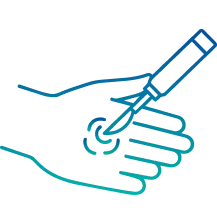
Wart Removal
Manipal Hospitals offers wart removal in India for patients seeking safe and effective relief from persistent skin growths. Dermatology specialists use modern techniques to remove warts with precision, aiming to reduce scarring and recurrence. Patients receive structured assessment, clear counselling, and tailored procedures in hospital-based settings. The hospital manages both simple and complex cases affecting the hands, feet, face, and other areas. This approach supports timely recovery and a confident return to daily activities.
Hospital Locations
-
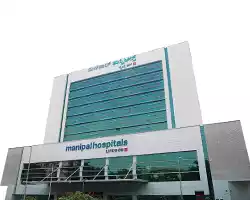
Old Airport Road - Bengaluru
-
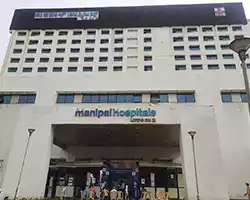
Whitefield - Bengaluru
-
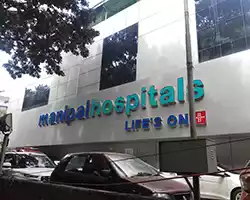
Jayanagar - Bengaluru
-
Malleshwaram - Bengaluru
-
Yeshwanthpur - Bengaluru
-
Hebbal - Bengaluru
-
Sarjapur Road - Bengaluru
-
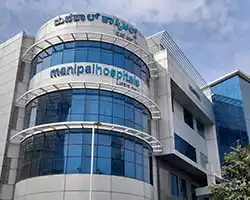
Varthur Road - Whitefield - Bengaluru
-

Doddaballapur - Bengaluru
-
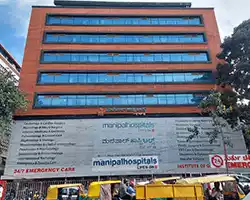
Millers Road - Bengaluru
-
.webp)
Mysuru
-
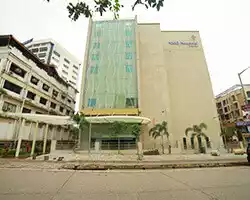
Mangaluru
-
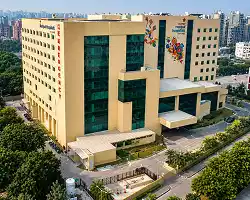
Dwarka - Delhi NCR
-
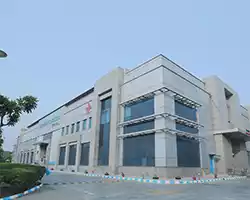
Gurugram - Delhi NCR
-
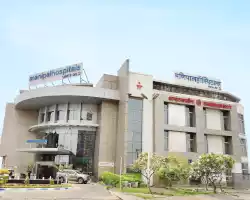
Ghaziabad - Delhi NCR
-
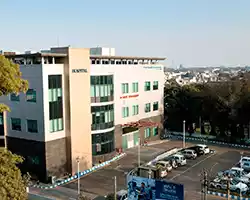
Patiala
-
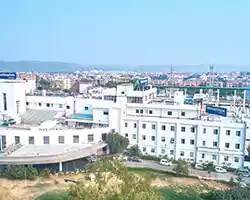
Jaipur
-
Vijayawada
-
Salem
-
Kharadi - Pune
-
Salt Lake - Kolkata
-
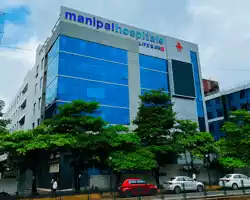
Baner - Pune
-
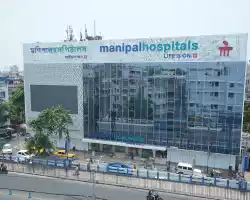
Dhakuria - Kolkata
-
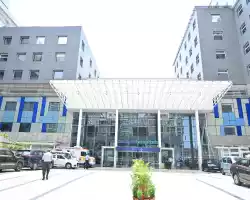
Mukundapur - Kolkata
-
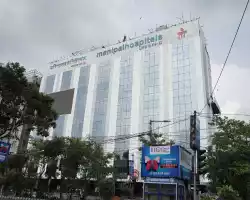
Broadway - Kolkata
-
Bhubaneswar
-
Kanakapura Road - Bengaluru
-
EM Bypass - Kolkata
-
Siliguri
-
Yelahanka - Bengaluru
-
Rangapani
-
Ranchi
How It Works
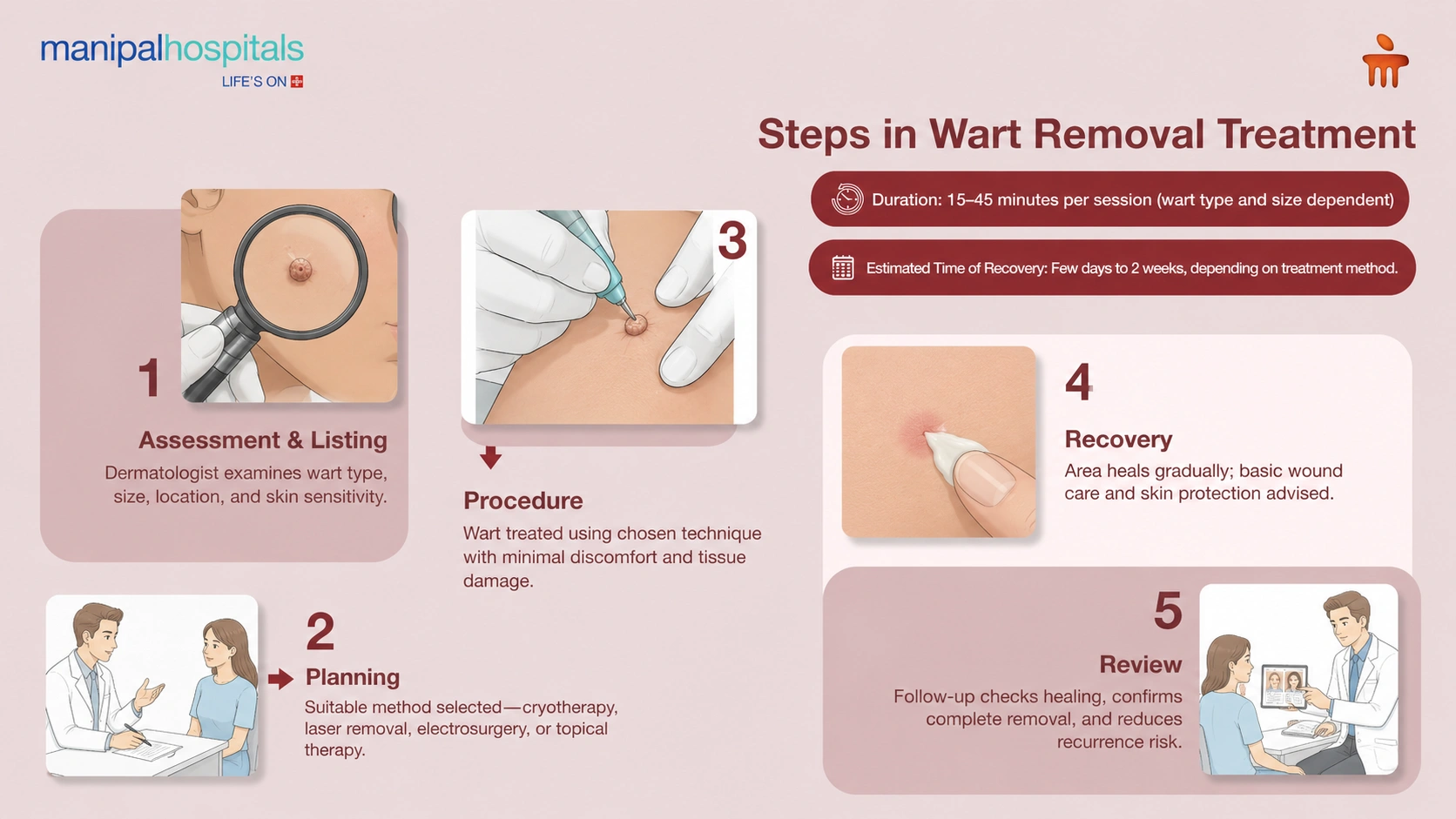
Wart removal treatment in India begins with a dermatology consultation. Specialists assess the number, size, location, and type of wart, and review medical history, medications, and immune status. Photographs or dermatoscopy may support documentation and planning.
Treatment options include cryotherapy, electrocautery, laser therapy, radiofrequency ablation, and topical applications for selected cases. Cryotherapy uses liquid nitrogen to freeze wart tissue, while electrocautery and radiofrequency ablation destroy growths using controlled heat after local anaesthesia. Laser therapy targets the blood supply to the wart precisely, protecting the surrounding skin.
On the day of the procedure, the area is cleaned, numbed, and treated using the chosen method. Sessions usually last 15–30 minutes. After treatment, dressings or ointments are applied, and patients receive written aftercare instructions. Mild redness, swelling, or blistering are common but settle with simple care. Follow-up visits track healing, manage any residual lesions, and address recurrence if needed. Children and adults are managed with age-appropriate techniques and comfort measures.
Didn’t find what you were looking for?
Request a CallbackBenefits
Choosing wart removal at Manipal Hospitals offers several important advantages:
-
Targeted removal techniques that minimise damage to surrounding skin.
-
Short, well-tolerated procedures with local anaesthesia.
-
Reduced downtime, allowing rapid return to work or daily routines.
-
Lower infection risk through sterile protocols and monitored healing.
-
Individualised treatment plans based on wart type, site, and recurrence history.
What to Expect
Consultation and diagnosis
Dermatologists examine the skin, confirm the diagnosis, and discuss suitable options for wart removal treatment in India. They inform patients about the benefits, limitations, and expected sessions before initiating treatment.
Pre-operative preparation
The treatment area is mapped, photographs may be taken, and local anaesthetic plans are explained. Patients receive guidance on medications, hygiene, and care for high-friction sites such as soles or fingers.
Procedure day
The skin is cleaned and numbed before cryotherapy, electrocautery, laser, or radiofrequency treatment. Most procedures are completed in 15–30 minutes, with real-time reassurance from the care team.
Recovery room monitoring
Immediately after treatment, staff observe the area for bleeding, discomfort, or blister formation and reinforce written aftercare instructions.
Hospital stay and daily activity
Most patients are treated on an outpatient basis and can leave soon after observation, avoiding strenuous activity on treated sites.
Follow-up and long-term recovery
Review visits track healing, treat any residual lesions, and provide prevention advice, including skin protection, hygiene, and monitoring for recurrence.
Why Manipal Hospitals?
Manipal Hospitals is a trusted centre for managing warts and other benign skin growths, combining clinical expertise with modern dermatology infrastructure. Experienced dermatologists work alongside nursing and infection-control teams to deliver safe procedures in controlled environments with robust sterilisation practices.
Advanced laser platforms, radiofrequency systems, and electrocautery units support precise treatment across different body sites, including cosmetically sensitive areas. Digital records allow progress tracking, image comparison, and coordination between clinics. Patient education, written aftercare instructions, and convenient follow-up scheduling help reduce complications and support adherence. These measures also promote long-term skin health for adults and children. Multidisciplinary input is available when warts coexist with systemic conditions or complex skin disorders.
Centre of Excellence
The Dermatology Department at Manipal Hospitals evaluates and treats viral warts, skin tags, and other benign lesions. Consultants combine clinical examination with dermatoscopy where needed and advise suitable procedures such as cryotherapy, laser therapy, electrocautery, or topical regimens. Focus remains on comfort, clear communication, and preventing spread to nearby skin or family members.
Services Offered
Manipal Hospitals offers a range of targeted wart management services:
-
Clinical evaluation and dermatoscopic assessment of warts
-
Cryotherapy sessions using liquid nitrogen
-
Electrocautery and radiofrequency procedures for resistant lesions
-
Laser-based removal for cosmetically sensitive areas
-
Topical therapies and combination plans
-
Scheduled follow-up consultations to monitor healing and recurrence
Facilities & Services
Manipal Hospitals supports dermatology procedures with dedicated facilities:
-
Well-equipped minor procedure rooms
-
Laser and radiofrequency suites with monitoring systems
-
Sterile instrument processing and infection-control protocols
-
Comfortable waiting and recovery spaces
-
Digital imaging and record-keeping for lesion tracking
-
Multidisciplinary access to pathology, paediatrics, and internal medicine when required
Frequently Asked Questions
Warts are caused by human papillomavirus entering the skin through tiny cuts or abrasions. They can spread through direct skin contact or shared surfaces in moist environments. Good hygiene, protective footwear, and avoiding picking help reduce transmission.
Dermatologists at Manipal Hospitals commonly use cryotherapy, electrocautery, laser therapy, and radiofrequency ablation. Treatment choice depends on wart size, depth, number, and location, as well as patient age, pain tolerance, medical conditions, and previous response to any treatments.
Most procedures are performed under local anaesthesia, so you usually feel pressure or brief discomfort rather than significant pain. After treatment, mild soreness, redness, or blistering can occur, but this generally settles with wound care and simple pain relief.
Healing time depends on the technique used and the site treated. Many patients notice crusting, blistering, or scab formation within days, with skin recovery over one to two weeks. Areas exposed to friction may need extra protection during healing.
Yes, warts can recur if virus particles remain in the skin or nearby areas. New lesions may also appear in other sites. Regular follow-up after wart removal in India, adherence to aftercare advice, and maintaining overall skin hygiene help reduce recurrence risk over time.
Consult our Experts

You’re on Our Indian Website
Visit the Global site for International patient services
'Click' to chat with us
