
Vestibular Rehabilitation Therapy
Manipal Hospitals offers specialised vestibular rehabilitation therapy in India through its Physiotherapy and Neurology Departments. This therapy helps manage dizziness, vertigo, imbalance, and gait disturbances by enhancing the brain’s ability to adapt to vestibular dysfunction. Patients receive customised exercise programmes built around advanced assessment tools and clinically proven techniques. Skilled physiotherapists provide structured guidance to improve balance, stability, and coordination. With consistent monitoring and personalised care, Manipal Hospitals helps individuals regain confidence and independence in their daily activities.
Hospital Locations
-

Old Airport Road - Bengaluru
-
.webp)
Mysuru
-

Mangaluru
-
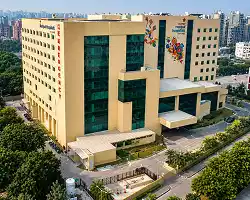
Dwarka - Delhi NCR
-

Patiala
-

Jaipur
-

Vijayawada
-

Salem
-
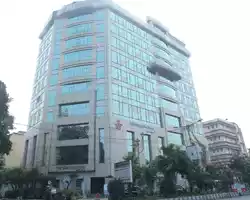
Salt Lake - Kolkata
-

Baner - Pune
-

Bhubaneswar
-

Siliguri
-
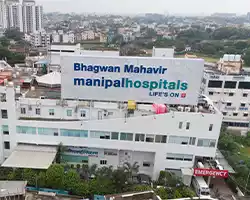
Ranchi

How It Works
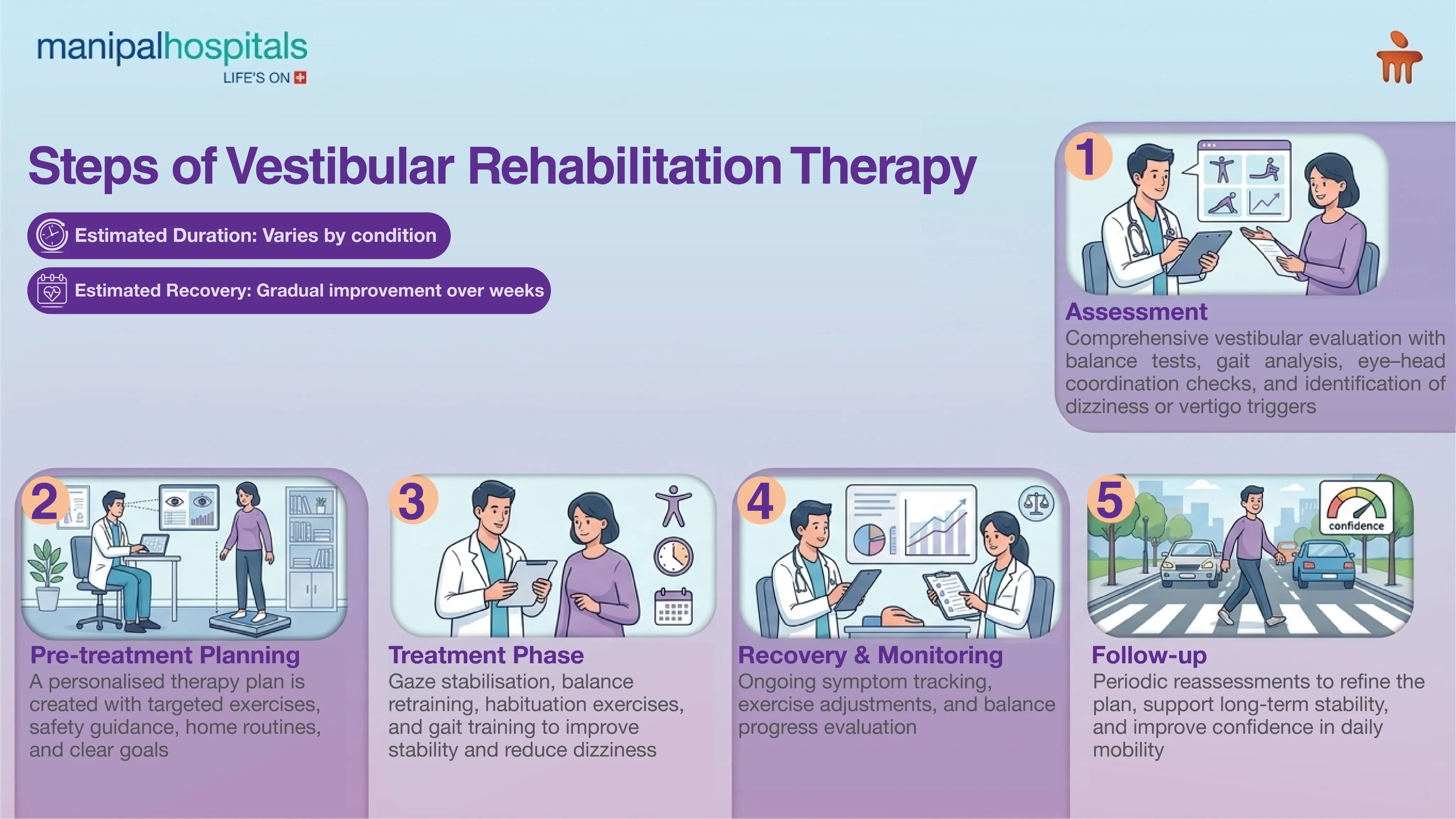
Vestibular rehabilitation focuses on retraining the brain to compensate for inner-ear or neurological imbalance conditions. At Manipal Hospitals, patients begin with a detailed vestibular assessment that may include clinical balance tests, gait analysis, and diagnostic imaging to identify the underlying cause. Based on these findings, therapists design individualised exercise programmes targeting gaze stabilisation, balance improvement, and postural control.
Therapy sessions involve supervised exercises that promote vestibular compensation, habituation, and sensory integration. Tools such as balance platforms, stabilisation devices, and virtual-reality-based systems may be used to enhance training. Patients are also educated on customised home-based routines to support faster recovery.
Therapists continuously monitor progress and adjust treatment plans depending on symptom changes. Collaboration with ENT, Neurology, and Rehabilitation Specialities ensures holistic care, especially for complex cases. Psychological support may be provided to address anxiety or confidence issues related to dizziness. With structured therapy, lifestyle guidance, and precise monitoring, patients benefit from coordinated care offered at Manipal Hospitals.
Didn’t find what you were looking for?
Request a CallbackBenefits
Choosing vestibular rehabilitation at Manipal Hospitals provides the following benefits:
-
Significant reduction in dizziness, vertigo, and imbalance
-
Better stability, coordination, and mobility during everyday movements
-
Personalised, non-invasive therapy plans tailored to individual needs
-
Enhanced independence and confidence in daily activities
-
Long-term symptom control through structured exercises and adaptive training
-
Continuous monitoring and coordinated support from physiotherapy and neurology teams
What to Expect
Consultation and Diagnosis
Patients undergo a detailed clinical assessment, including vestibular function tests, balance evaluation, and review of symptoms and triggers.
Pre-therapy Preparation
Before therapy, physiotherapists outline the goals, techniques, and expected outcomes of VRT. Patients undergo assessments of balance, gait, and eye–head coordination.
Therapy Sessions
Therapy is delivered through systematic, guided exercises focusing on gaze stabilisation, balance retraining, habituation techniques, and gait improvement.
Recovery Room / Monitoring
Symptom response is closely monitored throughout the programme. Therapists regularly reassess balance, eye movement control, and tolerance to exercises, adjusting intensity or techniques based on progress and patient comfort.
Hospital / Clinic Visits
Periodic therapy reviews allow physiotherapists, neurologists, or ENT specialists to evaluate improvements, refine rehabilitation goals, and ensure coordinated management of underlying vestibular conditions.
Physical and Supportive Therapy
Patients receive customised home exercise plans to reinforce progress between sessions. Counselling support is provided for anxiety or fear associated with dizziness, improving overall confidence and daily functioning.
Follow-ups
Routine follow-up appointments track symptom resolution, functional gains, and long-term balance stability. Adjustments are made as needed to maintain improvement and prevent recurrence.
Why Manipal Hospitals?
Manipal Hospitals, recognised as one of the best hospitals for VRT in India, provides dedicated vestibular rehabilitation supported by a multidisciplinary approach. Experienced physiotherapists, neurologists, and ENT specialists use structured assessment tools, advanced balance-training systems, and specialised therapeutic methods to manage dizziness, vertigo, and gait instability. This collaborative model helps identify complex vestibular and neurological causes.
Therapists develop personalised treatment plans and closely monitor progress to ensure safe, steady improvement. Modern facilities, private therapy suites, and access to diagnostic imaging support comprehensive care. With a focus on patient comfort, clear guidance, and long-term recovery, Manipal Hospitals remains a trusted centre for advanced vestibular rehabilitation.
Centre of Excellence
The Physiotherapy and Neurology Departments at Manipal Hospitals collaborate to diagnose and manage balance disorders, vertigo, and vestibular dysfunction. Specialists create tailored rehabilitation plans focusing on gaze stabilisation, balance enhancement, and functional mobility training to suit every patient’s needs. Continuous monitoring and reassessment ensure safe, consistent progress and effective symptom improvement for every patient.
Services Offered
Manipal Hospitals provides a wide range of specialised vestibular rehabilitation services, including:
-
Complete vestibular assessment to identify dizziness, imbalance, and vestibular dysfunction.
-
Gaze stabilisation exercises and balance retraining for improved coordination
-
Habituation therapy to reduce motion sensitivity and dizziness triggers
-
Gait and mobility training for daily movement stability
-
Customised home exercise plans with lifestyle guidance
Facilities & Services
The hospital offers state-of-the-art facilities for vestibular rehabilitation, including:
-
Latest balance assessment systems, stabilisation platforms, and motion-analysis devices
-
Virtual-reality-assisted therapy tools to simulate movement and reduce dizziness sensitivity
-
Multidisciplinary clinics integrating Neurology, ENT, and Physiotherapy expertise for coordinated care
-
Dedicated therapy suites equipped for guided exercises
-
Digital tools for customised program design and progress tracking
Frequently Asked Questions
VRT is highly effective for managing dizziness, vertigo, balance problems, motion sensitivity, and instability. It improves coordination, reduces symptoms, and helps patients regain confidence and stability in daily movements through targeted rehabilitation exercises.
No. Vestibular rehabilitation is not painful. Exercises are gentle and supervised, though mild, brief dizziness may occur as part of retraining. This response is normal and decreases with practice. Most patients tolerate the therapy well and steadily regain balance.
Improvement varies for each individual. Many patients experience reduced dizziness and better balance within a few weeks, while full vestibular adaptation and long-term correction may take several months. Consistent therapy, home exercises, and regular follow-ups help ensure steady and effective recovery.
Yes. Therapists provide personalised home exercise routines to reinforce progress between sessions. These exercises support faster improvement, but proper technique is essential. Movements are reviewed and adjusted during follow-up visits to ensure safety, accuracy, and continued recovery.
Individuals with vertigo, unexplained imbalance, inner-ear disorders, motion sensitivity, or post-concussion symptoms can benefit from vestibular rehabilitation therapy. Manipal Hospitals provides experienced therapists, structured evaluation, and advanced training tools for vestibular rehabilitation therapy in India.
Consult our Experts



You’re on Our Indian Website
Visit the Global site for International patient services
'Click' to chat with us
