
Treatment for Kidney Stones
Manipal Hospitals provides comprehensive urological care, offering the best treatment for kidney stones in India, designed to alleviate pain and restore renal function. The hospital employs advanced minimally invasive techniques, including shockwave and laser lithotripsy, to ensure precise stone fragmentation. Care pathways involve rapid diagnosis, personalised procedure selection, and detailed postoperative guidance. Teams prioritise patient comfort, explaining the safety of modern urological interventions. Patients receive clear diet and hydration instructions to prevent recurrence.
Hospital Locations
-
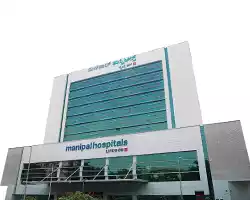
Old Airport Road - Bengaluru
-
.webp)
Mysuru
-
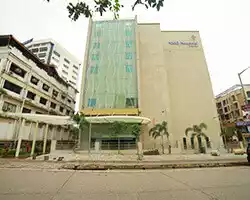
Mangaluru
-
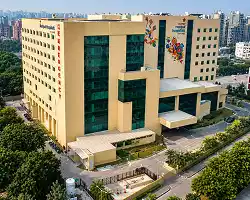
Dwarka - Delhi NCR
-
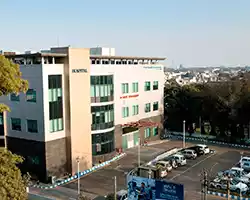
Patiala
-
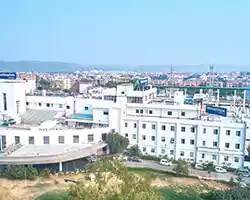
Jaipur
-
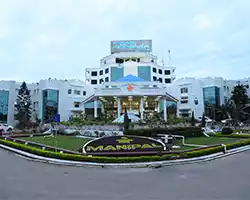
Vijayawada
-
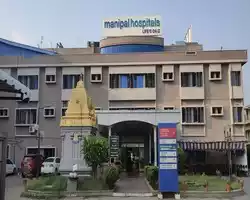
Salem
-
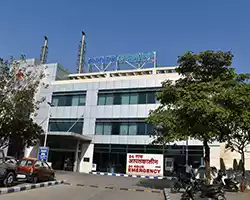
Kharadi - Pune
-
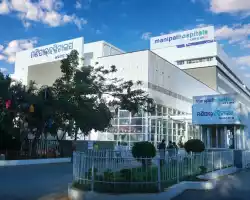
Bhubaneswar
-
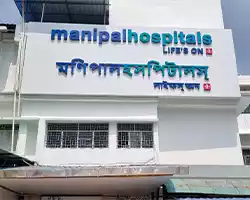
Siliguri
-
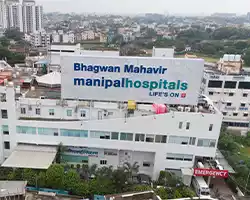
Ranchi
How It Works
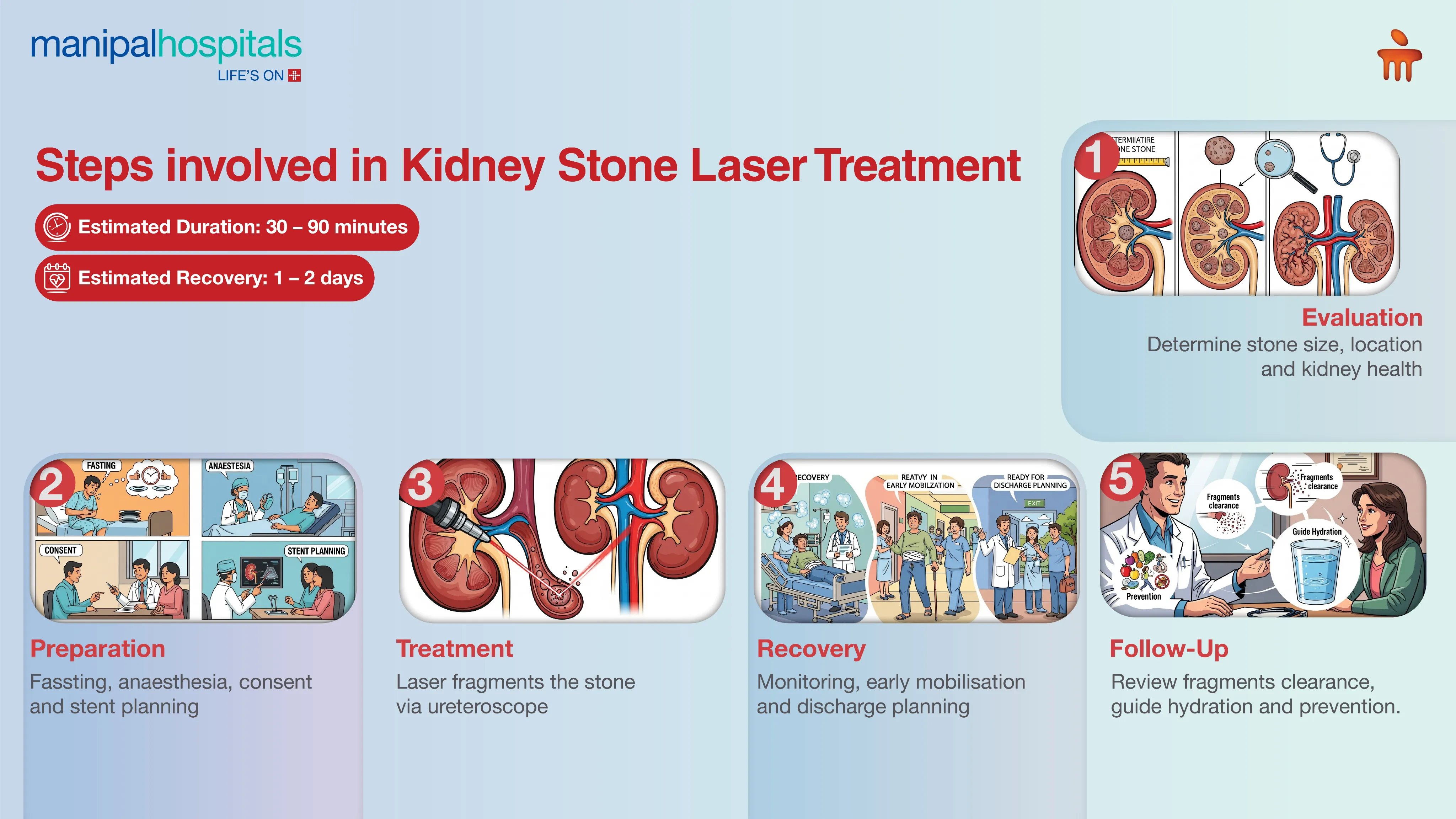
The process begins with diagnostic imaging, such as a CT scan, KUB X-ray or ultrasound, to locate the stones. Urologists review the size and position to determine the most effective approach. Manipal Hospitals is a preferred choice for patients seeking advanced laser treatment for kidney stones in India, especially for larger or complex stones.
During the procedure, a thin ureteroscope is passed through the urinary tract without incisions, allowing direct access to the stone. A high-powered Holmium laser fibre is used to fragment the stone into fine dust, ensuring controlled fragmentation while minimising injury to surrounding tissue. This minimally invasive approach reduces surgical trauma, bleeding, and postoperative discomfort, making it suitable for a wide range of patients.
After laser fragmentation, a temporary stent may be inserted to maintain adequate urine flow and prevent blockage during healing. Stone fragments either pass naturally or are retrieved with specialised baskets. Most patients experience a short hospital stay, commonly discharged within 24 hours. Patients can return to normal daily activities quickly with improved urinary comfort and kidney function.
Didn’t find what you were looking for?
Request a CallbackBenefits
Choosing Kidney Stone Treatment at Manipal Hospitals provides the following benefits:
-
Minimally invasive procedures with no external cuts
-
High success rate in clearing suitable stones
-
Reduced hospital stay with many day-care options available
-
Advanced laser technology for precise stone dusting
-
Comprehensive prevention plans to stop stone recurrence
-
Quick return to work and daily routines
What to Expect
Consultation and Diagnosis
Patients meet a urologist for a physical exam and imaging. The team explains the stone composition, size, and suitable removal options like RIRS or ESWL.
Pre-Procedure Preparation
Blood tests and urine cultures are done. Patients are advised to fast overnight. Anaesthesiologists review medical history to ensure safety during sedation.
Procedure Day
The patient is prepped in a sterile OT. General or spinal anaesthesia is administered. The urologist performs the endoscopic procedure using a laser or shockwaves.
During the Procedure
The doctor navigates the urinary tract using a camera. The laser breaks the stone. Patients do not feel pain during the procedure because of anaesthesia.
Immediate Post-Procedure
Patients wake up in recovery. Vital signs are monitored. Urine may appear blood-tinged or pinkish initially, which clears up with fluid intake.
Hospital Stay
Most laser procedures allow discharge within 24 hours. Pain is managed with oral medication. Patients are encouraged to walk and drink water.
Follow-Up
A follow-up visit checks for stone clearance. If a stent was placed, a minor procedure can remove it after a few weeks. Diet changes are discussed.
Why Manipal Hospitals?
Manipal Hospitals is a centre of excellence for urology, combining expert surgical skills with cutting-edge technology. The facility is renowned for providing advanced laser treatment for kidney stones in India. It is supported by high-wattage Holmium lasers designed to break stones into fine dust with minimal trauma. A coordinated team of urologists and nephrologists evaluates each patient individually, ensuring that treatment decisions protect kidney health and improve long-term outcomes.
Patients experience smooth and efficient hospital workflows, including rapid admission processes, supportive counselling, and detailed diet planning to prevent future stone episodes. Manipal Hospitals also emphasises safety, precision, and minimal postoperative discomfort by using advanced flexible ureteroscopes and modern imaging systems. With a commitment to low recurrence rates and strong patient education, the hospital delivers reliable and effective care.
Centre of Excellence
The Urology Department at Manipal Hospitals excels in the management of urinary tract disorders, including complex kidney stones. Expert teams of endourologists and surgeons work together to provide minimally invasive solutions. The department focuses on rapid relief, patient comfort, and long-term prevention. It is supported by modern units and a commitment to superior clinical outcomes.
Services Offered
Manipal Hospitals provides specialised urology services:
-
Laser Lithotripsy uses endoscopic laser energy to fragment stones precisely
-
ESWL applies external shock waves to break stones without incisions
-
PCNL removes large or hard kidney stones through a minimally invasive tract
-
Metabolic evaluation identifies causes and guides long-term recurrence prevention
-
Emergency care supports the immediate management of severe renal colic symptoms
Facilities & Services
Manipal Hospitals offers advanced facilities for urological treatment.
-
Holmium laser systems enable stone dusting with minimal tissue impact
-
Flexible ureteroscopes provide accurate navigation within the urinary tract
-
Dedicated operating theatres ensure sterile environments for minimally invasive procedures
-
Digital C-arm fluoroscopy delivers real-time imaging guidance during interventions
-
Day-care suites support recovery and early discharge after treatment
Frequently Asked Questions
Symptoms include severe pain in the back or side. You may see blood in the urine. Nausea and vomiting are common. Frequent urination or burning sensations often occur. Fever indicates an infection.
Patients undergo blood tests, imaging, and an anaesthesia evaluation. They are advised to fast before the procedure. These steps help ensure safety and guide the treatment plan.
Under anaesthesia, a ureteroscope is guided through the urinary tract, and a Holmium laser breaks the stone into small fragments. The minimally invasive procedure keeps patients comfortable throughout.
Patients receive pain medication, hydration guidance, and instructions for activity and diet. If a stent is placed, a follow-up visit is scheduled for removal. Doctors monitor recovery to ensure proper healing.
Patients have access to Holmium laser systems, digital imaging, flexible ureteroscopes, dedicated operating theatres, and stone analysis services. These facilities support effective treatment using the best treatment for kidney stones in India.
Consult our Experts



You’re on Our Indian Website
Visit the Global site for International patient services
'Click' to chat with us
