
Trauma care
Manipal Hospitals provides advanced trauma care in India. The hospital network delivers 24/7 emergency response for road accidents, falls, and polytrauma. Multidisciplinary teams stabilise patients rapidly using structured trauma protocols and modern life-support systems. It houses dedicated trauma bays, advanced imaging suites, and expert surgical units for prompt management. Manipal Hospitals ensures safe, coordinated care from immediate resuscitation through definitive treatment and rehabilitation, supporting complete recovery for critically injured patients.
Hospital Locations
-

Old Airport Road - Bengaluru
-
.webp)
Mysuru
-

Mangaluru
-
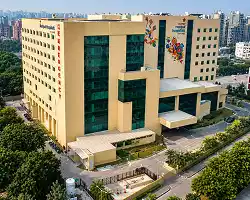
Dwarka - Delhi NCR
-

Patiala
-

Jaipur
-

Vijayawada
-
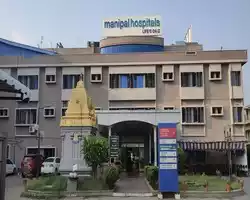
Salem
-
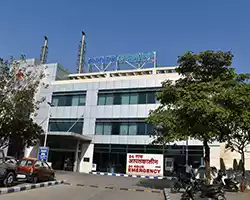
Kharadi - Pune
-

Salt Lake - Kolkata
-

Bhubaneswar
-

Siliguri
-

Ranchi
How It Works
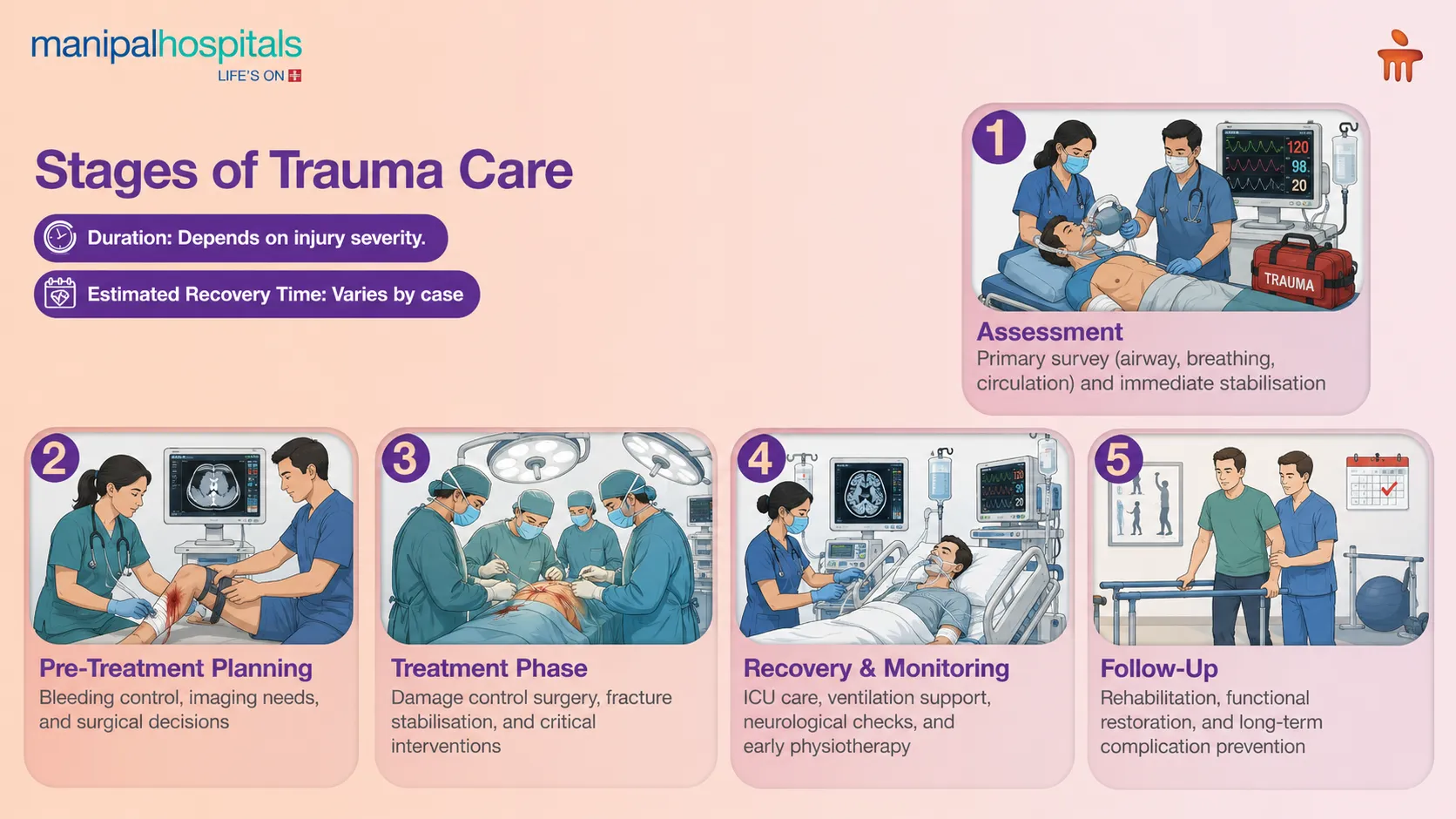
Trauma care at Manipal Hospitals begins with a systematic evaluation designed to address life-threatening conditions quickly. Emergency teams activate immediately on patient arrival. The primary survey focuses on securing the airway, ensuring adequate breathing, and stabilising circulation. Severe bleeding is controlled at once to prevent shock.
A secondary assessment is conducted to detect any hidden injuries. CT scans, X-rays, and ultrasound imaging guide fast clinical decisions. Damage control surgery is performed for critical injuries such as fractures, internal bleeding, or organ trauma.
Patients needing continuous support are transferred to dedicated trauma ICUs, where vital signs, ventilation, and neurological function are closely monitored. Early physiotherapy begins once stabilisation is achieved, supporting mobility and preventing complications.
Long-term care includes rehabilitation programmes tailored to strength, balance, and functional recovery. Follow-up evaluations track healing, detect delayed complications, and guide adjustments to treatment. This structured, multidisciplinary approach helps save lives during the golden hour and supports recovery over time.
Didn’t find what you were looking for?
Request a CallbackBenefits
Patients undergoing treatment at Manipal Hospital’s trauma care can benefit from the following:
-
Rapid emergency response that reduces mortality risks
-
Multidisciplinary management for complex trauma cases
-
Advanced imaging to identify internal injuries early
-
Damage control surgery to stabilise life-threatening conditions
-
Early rehabilitation to restore mobility more quickly
-
Continuous monitoring to support safe, coordinated recovery throughout treatment
What to Expect
Consultation and Diagnosis
Emergency teams conduct Glasgow Coma Scale assessments, vital checks, and immediate imaging to identify life-threatening injuries.
Pre-treatment Planning
Stabilisation comes first. Specialists prioritise airway management, bleeding control, and circulation support before any surgical intervention.
Treatment Phase
Damage control surgery is performed to address critical injuries such as fractures, internal haemorrhage, or organ damage. Specialists from orthopaedics, neurosurgery, and general surgery work together for optimal outcomes.
Recovery Room / Monitoring
Patients are transferred to trauma ICUs, where continuous monitoring supports ventilation, neurological assessment, and fluid balance.
Hospital Visits
Once stable, patients move to step-down units or wards. Additional imaging verifies healing progress.
Physical and Supportive Therapy
Physiotherapists begin early mobilisation to improve strength, prevent stiffness, and reduce long-term disability.
Follow-Ups
Scheduled reviews track wound healing, mobility improvements, and psychological well-being. Rehabilitation programmes help patients regain independence and functional recovery.
Why Manipal Hospitals?
Manipal Hospitals is one of the best hospitals for trauma care in India, operating dedicated emergency and trauma units. The network has implemented structured trauma systems and ATLS-trained teams for many years, ensuring precise care during critical golden hours. Specialists in orthopaedics, neurosurgery, vascular surgery, and critical care collaborate to manage complex trauma comprehensively.
Advanced imaging suites, modular operating theatres, specialised ICUs, and rapid-response protocols create an environment focused on survival and stable recovery. Rehabilitation units provide structured physiotherapy, occupational therapy, and long-term follow-up support. NABH-accredited facilities, integrated emergency services, and round-the-clock clinical teams make Manipal Hospitals a trusted choice for trauma care.
Centre of Excellence
The Trauma Care Department at Manipal Hospitals manages emergencies such as road accidents, falls, crush injuries, and polytrauma. Specialists from orthopaedics, neurosurgery, general surgery, and critical care coordinate rapid, standard, lifesaving interventions. Indian units prioritise golden-hour stabilisation, structured treatment, and comprehensive rehabilitation to restore mobility, enhance recovery, and support long-term functional outcomes.
Services Offered
Manipal Hospitals provides essential trauma services across India, including:
-
24/7 emergency resuscitation and stabilisation
-
Surgical management for polytrauma and critical injuries
-
Orthopaedic fracture fixation and joint stabilisation
-
Neurotrauma assessment, monitoring, and intervention
-
Imaging-guided diagnosis using CT, MRI, X-ray, and ultrasound
-
Long-term rehabilitation and functional recovery programmes for sustained healing and comfort.
Facilities & Services
Trauma care at Manipal Hospitals includes:
-
Dedicated trauma bays are designed for rapid stabilisation during emergencies
-
Advanced imaging suites equipped with CT, X-ray, and ultrasound
-
Modular operating theatres are prepared for immediate emergency surgery
-
Specialised trauma ICUs offering continuous monitoring and life-support
-
Physiotherapy and rehabilitation units supporting early mobility and long-term recovery
-
Multidisciplinary emergency response teams ensure coordinated trauma management
Frequently Asked Questions
The golden hour prioritises airway, breathing, and circulation assessment. Rapid control of bleeding helps prevent shock. Early stabilisation and quick transfer to a specialised trauma centre greatly increase survival chances, making timely intervention critical in managing severe injuries.
Trauma teams include surgeons, emergency physicians, critical care specialists, nurses, and anaesthetists. Each member carries out defined roles in assessment, stabilisation, and early intervention. They ensure patients receive rapid, coordinated, and safe care during life-threatening emergencies.
ATLS protocols prioritise life-threatening conditions through a structured primary and secondary survey. This systematic approach ensures no critical injury is overlooked and guides timely, appropriate interventions to improve outcomes during emergency trauma management.
CT scans detect internal injuries, ultrasound identifies internal fluid collections, and X-rays confirm fractures. Together, these imaging tools provide rapid diagnostic information, helping specialists make timely decisions during trauma assessment and emergency management.
Rehabilitation usually begins once the patient is medically stable. Early mobilisation helps prevent complications. Physiotherapy supports long-term recovery and is an integral part of trauma care in India, ensuring safe and sustained functional improvement.
Consult our Experts



You’re on Our Indian Website
Visit the Global site for International patient services
'Click' to chat with us
